Modern emergency medicine depends on speed, precision, and reliable equipment. Whether responding to a traffic accident, treating injuries on the battlefield, or providing emergency care in remote environments, controlling severe bleeding within the first few minutes can significantly improve patient outcomes.
Among the essential tools carried by military personnel, emergency medical technicians (EMTs), first responders, and trauma care professionals, the tourniquet remains one of the most effective devices for controlling life-threatening extremity hemorrhage. While the mechanical design of buckles, windlasses, and fastening systems often receives the most attention, the performance of the tourniquet is equally influenced by the material used to manufacture its body.
The 止血帯生地 must withstand high tensile loads, repeated folding, exposure to moisture, blood, cleaning agents, and harsh outdoor conditions without losing strength or flexibility. It also needs to provide a comfortable surface against the patient’s skin while maintaining dimensional stability during rapid application.
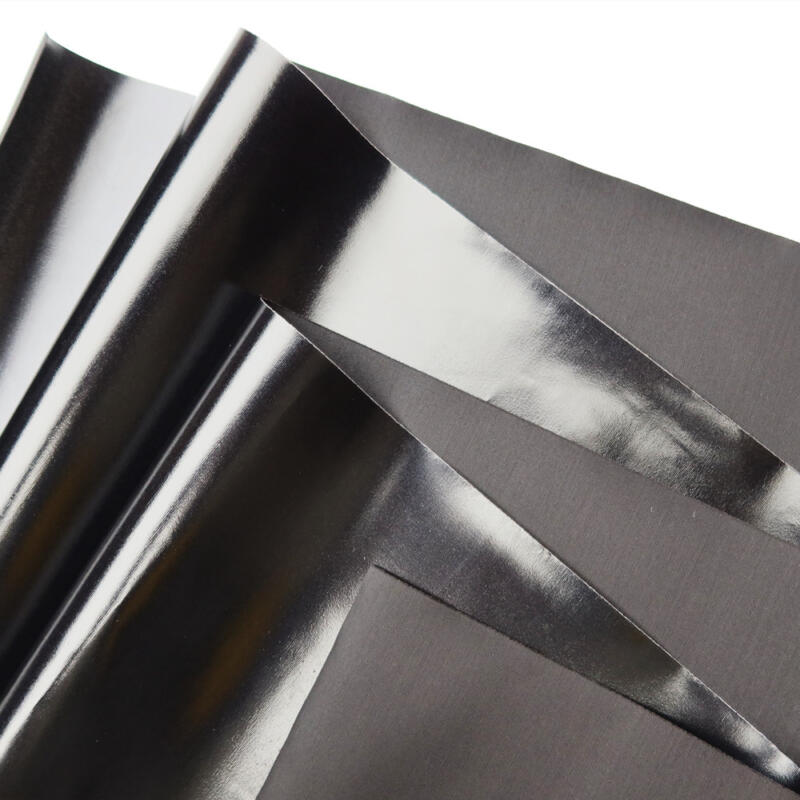
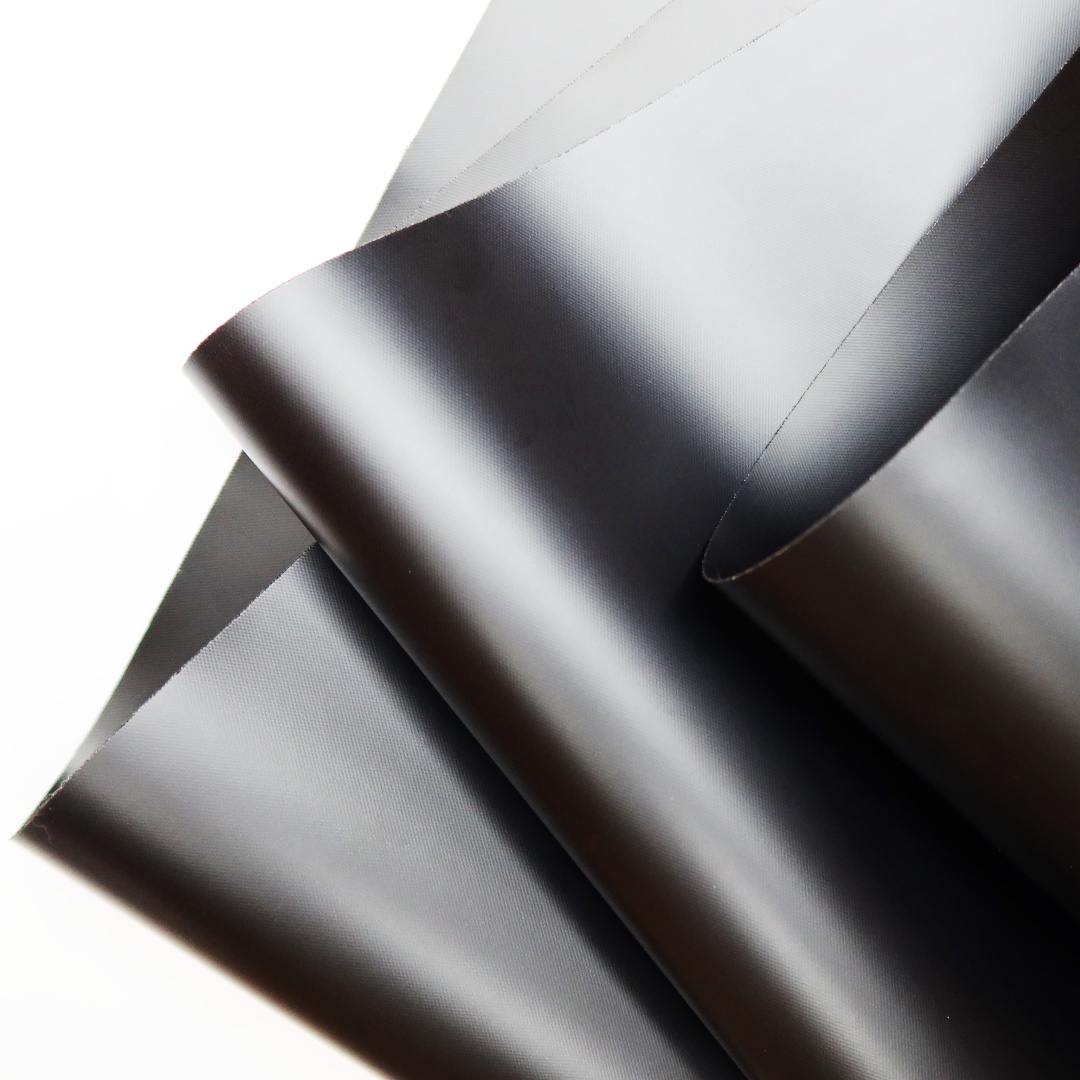
As medical device manufacturers continue to improve emergency equipment, TPU Coated Tourniquets Fabric is gaining attention as a high-performance alternative to conventional woven webbing. Combining the strength of high-tenacity nylon with the protective properties of thermoplastic polyurethane (TPU), this composite material offers enhanced durability, easier cleaning, and improved resistance to demanding operating environments.
This article examines why TPU coated fabrics are becoming an increasingly attractive solution for modern tourniquet manufacturing and what manufacturers should consider when selecting materials for next-generation trauma care products.

止血帯生地
Tourniquets Fabric refers to the primary textile component used to construct medical or tactical tourniquets. It forms the load-bearing body of the device, transmitting the force generated by the tightening mechanism to compress blood vessels and restrict arterial blood flow.
Unlike ordinary webbing used in backpacks or safety equipment, medical tourniquet materials must maintain consistent mechanical performance while remaining flexible enough for rapid deployment.
Depending on product design, manufacturers may choose from several fabric constructions, including:
- High-tenacity nylon webbing
- Polyester webbing
- TPU coated nylon fabric
- Laminated medical composite fabrics
Each material offers a different balance of strength, flexibility, durability, and manufacturing cost. The choice depends on the intended application, regulatory requirements, and expected service conditions.
For reusable medical tourniquets or products designed for demanding outdoor environments, coated composite fabrics provide additional functional benefits beyond basic tensile strength.
Why Material Selection Matters
The performance of a tourniquet depends on more than its tightening mechanism. The fabric itself must continue to perform reliably throughout storage, transportation, repeated use, and exposure to challenging environments.
Selecting the appropriate material directly affects product reliability, user confidence, and manufacturing consistency.
High Tensile Strength
During emergency use, significant force is applied to the tourniquet to stop arterial bleeding.
The fabric must withstand these loads without stretching excessively or suffering structural damage. A stable material allows pressure to be transferred efficiently while maintaining consistent compression around the limb.
High-tenacity nylon reinforcement provides excellent tensile properties while keeping overall weight low.
Abrasion Resistance
Tourniquets carried in first aid kits, tactical packs, or emergency vehicles experience constant friction during transportation.
Repeated contact with equipment, protective clothing, and storage pouches can gradually wear exposed textile surfaces.
A TPU coating adds an additional protective layer, helping reduce surface abrasion and extending product life.
Flex Fatigue Resistance
Emergency equipment is frequently folded, rolled, and compressed for storage.
Materials that become brittle after repeated flexing may crack or lose performance over time.
TPU coated fabrics retain flexibility through repeated folding cycles, making them well suited for portable emergency equipment.
Dimensional Stability
A tourniquet must tighten consistently every time it is used.
Materials that stretch excessively may reduce compression efficiency and make it more difficult for users to achieve the required occlusion pressure.
Maintaining dimensional stability helps improve both product performance and user confidence.
Why TPU Coated Fabrics Are Gaining Popularity
Traditional woven webbing remains suitable for many applications, but modern medical devices increasingly require materials that combine structural strength with additional protective functions.
TPU coated fabrics meet these requirements by integrating a durable polymer layer with a high-strength textile substrate.
Waterproof Protection
Medical emergencies often occur in unpredictable environments.
Rain, mud, snow, or accidental exposure to bodily fluids should not compromise equipment performance.
The TPU coating forms a protective barrier that reduces moisture penetration and protects the internal textile from prolonged exposure to water.
Easier Cleaning and Disinfection
Reusable medical equipment requires regular cleaning.
Unlike untreated woven fabrics that may absorb contaminants, TPU coated surfaces are smoother and less porous.
This allows blood, dirt, and cleaning residues to be removed more easily, supporting better hygiene management during repeated use.
Improved Surface Durability
The TPU layer acts as a protective shield against scratches, abrasion, and surface wear.
This additional protection helps maintain the integrity of the fabric during demanding field conditions.
Better Environmental Resistance
Medical devices may be stored in ambulances, emergency kits, military vehicles, or outdoor rescue equipment for extended periods.
TPU coated fabrics generally provide improved resistance to humidity, low temperatures, and environmental aging compared with uncoated textiles.
Engineering Considerations for Medical Tourniquet Manufacturers
Material selection should be based on the complete product lifecycle rather than a single performance indicator.
Manufacturers typically evaluate several engineering factors before selecting Tourniquets Fabric.
Fabric Construction
The base fabric determines the mechanical performance of the finished product.
Higher-density woven nylon structures generally provide greater tensile strength, while lighter constructions improve flexibility and handling.
The appropriate balance depends on the intended application.
TPU Formulation
Not all TPU materials perform the same.
Polyether TPU generally provides better hydrolysis resistance and long-term flexibility, making it suitable for products exposed to humid environments.
Polyester TPU offers higher abrasion resistance and stiffness, making it appropriate for certain industrial or tactical applications.
Coating Thickness
The coating thickness affects:
- Surface durability
- Flexibility
- Weight
- Waterproof performance
Excessive coating may reduce flexibility, while insufficient coating may limit protective performance.
Finding the right balance is essential for medical products.
Chemical Resistance
Medical equipment may encounter disinfectants, cleaning agents, sweat, oils, and other contaminants.
The selected material should maintain its mechanical properties after repeated cleaning cycles.
Long-Term Storage Stability
Emergency equipment is often stored for extended periods before use.
Materials with good aging resistance help ensure the tourniquet remains reliable when deployed months or even years after manufacture.
Manufacturing Advantages of TPU Coated Fabrics
Beyond field performance, TPU coated materials also provide several production advantages.
Their consistent surface characteristics simplify cutting and processing while improving dimensional consistency during manufacturing.
For products that include protective sleeves, inflatable components, or welded accessory structures, TPU offers excellent compatibility with heat welding and radio-frequency welding technologies.
Manufacturers can achieve more repeatable production quality while reducing the risk of seam failure in components requiring airtight or waterproof construction.
These characteristics contribute to higher manufacturing efficiency and more consistent product performance across production batches.
Applications Beyond Traditional Medical Tourniquets
Although primarily associated with trauma care, TPU coated Tourniquets Fabric is increasingly used in other medical and emergency products that require strength, flexibility, and environmental resistance.
| Industry | Typical Applications |
|---|---|
| Emergency Medicine | Combat application tourniquets, trauma kits |
| Military | Tactical tourniquets and field medical equipment |
| EMS | First aid kits and emergency response systems |
| 病院 | Surgical tourniquets and reusable medical accessories |
| Veterinary | Animal emergency restraint and tourniquet devices |
| Rescue Equipment | Disaster response medical kits |
| Industrial Safety | Workplace emergency trauma equipment |
As emergency medicine continues to evolve, manufacturers increasingly seek materials that perform reliably across multiple applications while simplifying supply chain management.
Choosing the Right Tourniquets Fabric
Selecting the right material involves balancing mechanical performance, durability, manufacturing efficiency, and cost.
When evaluating suppliers, manufacturers should consider several key factors:
- Tensile strength suitable for emergency compression
- Consistent coating quality across production batches
- Abrasion and flex fatigue resistance
- Waterproof and chemical-resistant surface
- Compatibility with cleaning and disinfection procedures
- Long-term dimensional stability
- Reliable quality control and material traceability
Working with suppliers capable of providing customized coating formulations and technical support can also improve product development efficiency, particularly for OEM and ODM medical device projects.
Looking Ahead
Medical textile development continues to move toward lighter, stronger, and more sustainable materials.
Several trends are shaping the future of Tourniquets Fabric, including:
- Bio-based TPU formulations
- PFAS-free surface technologies
- Recyclable composite materials
- Antimicrobial coating technologies
- Lightweight high-strength woven fabrics
- Advanced composite laminates for reusable medical equipment
These innovations aim to improve both product performance and environmental sustainability without compromising the reliability required in emergency medical applications.
The effectiveness of a modern tourniquet depends on more than its mechanical design. Material selection plays an equally important role in determining durability, user comfort, environmental resistance, and long-term reliability.
By combining the strength of high-tenacity textiles with the protective properties of thermoplastic polyurethane, TPU Coated Tourniquets Fabric provides a balanced solution for manufacturers developing next-generation trauma care products. Its waterproof surface, excellent abrasion resistance, improved cleanability, and dependable mechanical performance make it well suited for emergency medicine, tactical operations, and reusable medical equipment.
As expectations for medical devices continue to rise, selecting the right 止血帯生地 is no longer simply a material decision—it is an engineering decision that directly influences product quality, manufacturing consistency, and the confidence of healthcare professionals who rely on these devices in critical situations.