


Se state procurando materiale per sacche di ossigeno medicali, probabilmente avete già esaminato diverse opzioni. Tessuti rivestiti in TPU. Rivestimenti in silicone. Materiali gommati. E poi c'è il nylon rivestito in PVC.
Non ogni prodotto medico necessita del materiale più costoso. Per le sacche di ossigeno, specialmente nelle produzioni ad alto volume o nelle applicazioni monouso, tessuto in nylon 70D rivestito in PVC funziona bene. Non è nuovo. Non è appariscente. Ma è affidabile, collaudato e conveniente.
Questo articolo esamina cos'è questo tessuto, cosa fa bene, dove presenta delle lacune e perché la versione di Xianglong potrebbe valere la pena di essere considerata.
Cos'è realmente questo tessuto
Lasciate che ve lo descriva in modo semplice.
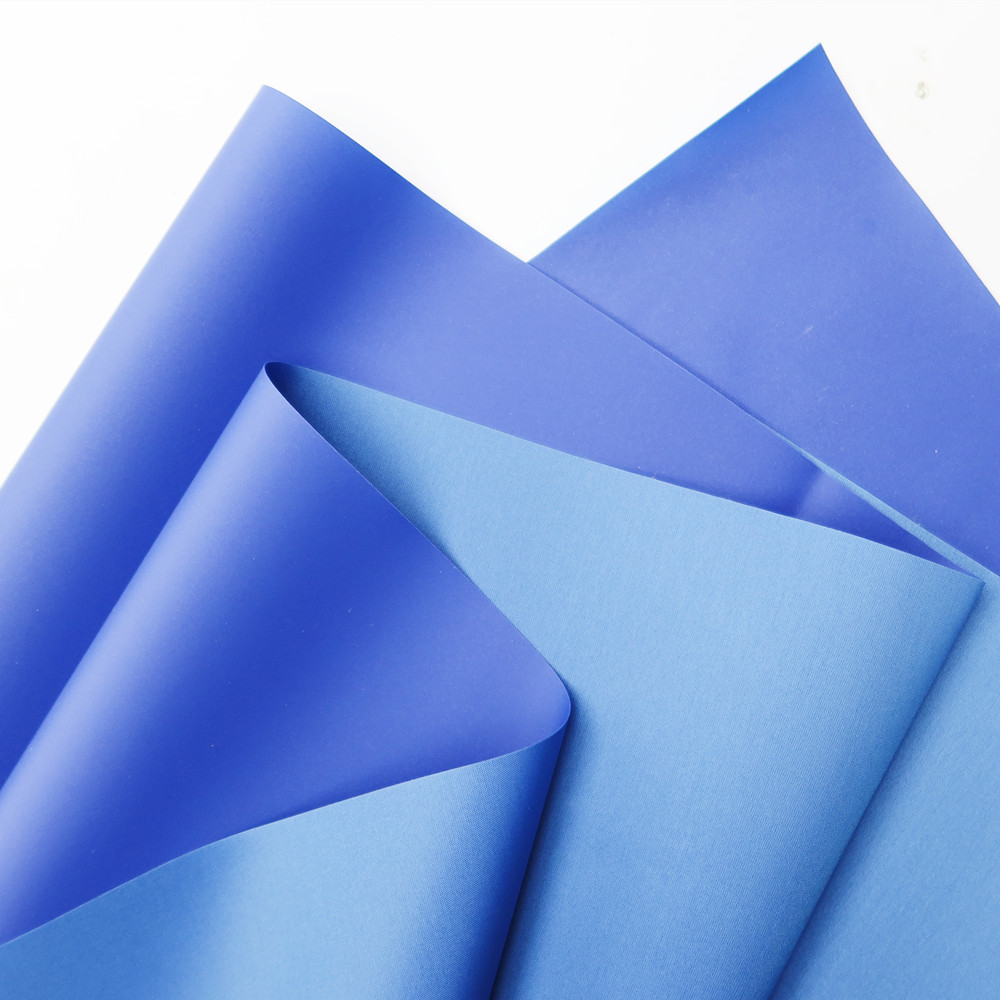
Prendete un tessuto in nylon da 70 denari. Questa è la base. 70D significa che i fili sono sottili e leggeri. Il tessuto stesso è sottile e flessibile. Ora rivestite un lato di questo nylon con uno strato di composto PVC. Il PVC sigilla la superficie e la rende ermetica.
Questo è il materiale.
Il lato rivestito va all'interno della sacca di ossigeno. Il lato in nylon non rivestito è rivolto verso l'esterno. Il lato rivestito trattiene il gas. Il lato in nylon fornisce resistenza e tenuta contro gli strappi.
Questo non è un materiale complicato. È proprio questo che lo rende così efficace per certe applicazioni. Viene utilizzato nelle sacche di ossigeno medicali da decenni. I processi di saldatura sono ben noti. La catena di approvvigionamento è stabile. Per un produttore che realizza migliaia di sacche di ossigeno al mese, questa stabilità conta.
Cosa richiedono le sacche di ossigeno da un tessuto
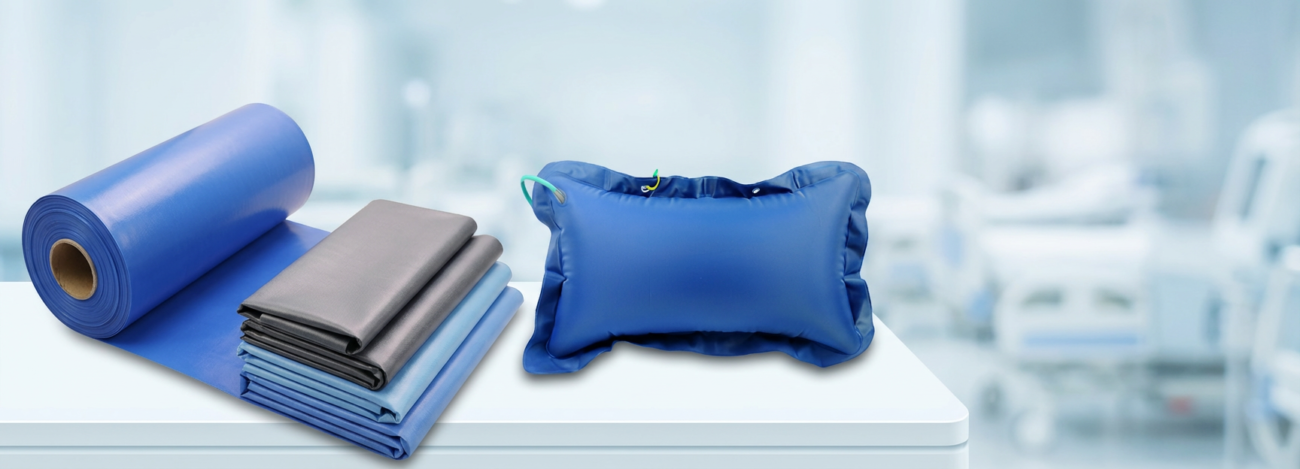
Le sacche per serbatoi di ossigeno sembrano semplici. Ma hanno esigenze specifiche che non ogni tessuto soddisfa.
La sacca deve contenere il gas senza perdite.
Questa è l'esigenza più ovvia. Se il gas fuoriesce, la sacca non funziona. Il rivestimento in PVC assicura questa tenuta. Alle pressioni tipiche delle sacche di ossigeno, resiste.
La sacca deve essere compressa e riempita ripetutamente.
I dispositivi manuali di rianimazione funzionano comprimendo la sacca. Qualcuno la schiaccia con la mano, spinge l'ossigeno verso il paziente e la rilascia. La sacca deve tornare alla forma originale per il respiro successivo. Questo accade centinaia o migliaia di volte.
Il tessuto deve essere abbastanza flessibile da poter essere schiacciato e abbastanza resiliente da ritornare alla forma originale. La base in nylon 70D e il rivestimento in PVC insieme offrono questo equilibrio. Il PVC è plastificato per rimanere morbido. Il nylon gli dà struttura.
La sacca deve resistere alla manipolazione clinica.
Le sacche di ossigeno vengono maneggiate con frequenza. Vengono schiacciate, pulite con disinfettanti, inserite in kit di emergenza. Il tessuto deve resistere. Il rivestimento in PVC resiste all'abrasione e ai detergenti chimici.
La sacca deve essere realizzabile su larga scala.
È qui che il nylon rivestito in PVC brilla davvero. Il PVC è ben conosciuto. Si salda rapidamente con attrezzature ad alta frequenza. Le cuciture sono forti e uniformi. La velocità di produzione è elevata. Rispetto al TPU o al silicone, il PVC è molto più facile da lavorare nella produzione ad alto volume.
La sacca deve essere economica.
Ospedali e aziende produttrici di dispositivi sono sotto costante pressione sui costi. Una sacca di ossigeno che viene usata una sola volta e poi gettata non può costare una fortuna. Il nylon rivestito in PVC è una delle opzioni più economiche disponibili.
Perché nylon 70D e perché PVC?
Ogni parte di questo tessuto ha uno scopo.
La base in nylon 70D
70 denari sono fili sottili. Producono un tessuto leggero, sottile e flessibile. Questo è importante per le sacche di ossigeno perché la sacca deve essere facilmente comprimibile. Un tessuto più spesso e pesante sarebbe più difficile da schiacciare.
Il nylon conferisce al tessuto resistenza e tenuta contro gli strappi pur essendo sottile. Il nylon è forte per il suo peso. Resiste a un uso ripetuto senza strapparsi.
Il nylon si muove anche con il rivestimento. Quando la sacca si gonfia e si sgonfia, il nylon si flette. Non contrasta il PVC.
Il rivestimento in PVC
Il PVC è il materiale principale per tubi e sacche medicali. Viene utilizzato nell'assistenza sanitaria da decenni.
Il PVC di grado medico è diverso dal PVC usato nelle tubature o nei materiali da costruzione. Il PVC di grado medico usa plasticizzanti specifici biocompatibili. È morbido, flessibile e sicuro per il contatto con i gas che i pazienti respirano.
Il PVC si salda magnificamente. La saldatura ad alta frequenza unisce gli strati di PVC in una cucitura forte quanto il materiale di base. Nessun adesivo. Nessun foro fatto con l'ago.
Il PVC è anche economico. Le materie prime sono abbondanti. I processi di produzione sono consolidati.
Ecco un confronto tra il rivestimento in PVC e altri rivestimenti spesso considerati per le sacche di ossigeno.
| Proprietà | Rivestimento in PVC | Rivestimento in TPU | Rivestimento in silicone |
|---|---|---|---|
| Costo | Basso | Medio-alto | Alta |
| Saldabilità ad alta frequenza | Eccellente | Buono | Scarsa |
| Flessibilità a temperatura ambiente | Buono | Eccellente | Eccellente |
| Flessibilità a -20°C | Scarsa | Eccellente | Eccellente |
| Resistenza all'ozono | Scarsa | Buono | Eccellente |
| Velocità di produzione | Veloce | Moderate | Lenta |
| Compatibilità medica | Sì | Sì | Sì |
| Track record in oxygen bags | Decades | Growing | Limitato |
For many buyers, the cost and manufacturing speed advantages of PVC outweigh its limitations, especially for disposable or limited-reuse products.
What This Fabric Does Well
This fabric has a set of strengths that make it a practical choice for its intended applications. I have seen it work well in all of these areas.
Tenuta stagna
The PVC coating creates a continuous barrier against gas permeation. Oxygen stays inside the bag. The bag inflates properly and maintains pressure. For manual resuscitators and breathing circuits, this is the core requirement.
Tear resistance from the nylon base
70D nylon is not the toughest fabric on the market. But for an oxygen bag handled by gloved hands in a clinical setting, it is strong enough. The nylon prevents tears from running. If the bag gets a small nick, it does not rip apart.
Flexibility and collapsibility
The bag needs to compress. The plasticized PVC coating stays flexible. The 70D nylon base folds easily. The combination produces a bag that healthcare workers can squeeze with one hand without struggling.
Moisture resistance
Oxygen bags sometimes get exposed to moisture. Condensation. Cleaning solutions. The PVC coating keeps liquids from soaking into the fabric. That helps maintain hygiene and prevents mold or bacteria growth.
Cost-effectiveness for high-volume production
This is where the fabric stands out. For companies producing oxygen bags by the thousands or millions per year, material cost matters. PVC coated nylon is significantly cheaper than TPU or silicone alternatives.
Mature manufacturing
Everyone knows how to work with PVC. The welding equipment is common. The settings are established. There are no surprises. Production lines run smoothly.
Where This Fabric Belongs
Not every oxygen bag project is a good fit for this material. But for the applications listed below, it is the right choice.
Cost-effective medical oxygen reservoir bags
This is the primary application. Manual resuscitators, emergency oxygen kits, breathing circuits. For products where budget is a factor, PVC coated 70D nylon works. It does the job at a price that makes sense for high-volume production.
Disposable or limited-reuse respiratory products
Some oxygen bags are designed for single-patient use. Others get reused a limited number of times. For these applications, the longevity of TPU or silicone is not necessary. PVC coated nylon gives adequate performance for the product’s intended lifespan.
First aid and emergency response kits
Oxygen bags in first aid kits and emergency response kits see occasional use. They need to work when called upon, but they do not see the daily abuse of a hospital resuscitation bag. PVC coated nylon is a practical and affordable solution.
Veterinary resuscitation bags
Veterinary practices have similar needs to human medicine but often work with tighter budgets. PVC coated oxygen bags are common in animal care settings.
Training and demonstration manikins
CPR training manikins sometimes include oxygen bag components for demonstration. These products are used in training environments where cost matters and extreme durability is not required.
Where This Fabric Does Not Belong
I want to be honest about this. PVC coated 70D nylon fabric is not the right choice for every oxygen bag application. Here is where you should look elsewhere.
Extreme cold environments.
PVC contains plasticizers to keep it flexible. In cold temperatures, those plasticizers become less effective. At minus 10 to minus 20 degrees Celsius, PVC coated fabrics start to stiffen. They become hard to compress. They can crack if folded.
If your oxygen bag will be used in arctic conditions or cold storage, look at TPU or silicone coatings instead.
Ozone exposure.
This is a specific weakness of PVC. Ozone attacks the plasticizers and causes the material to crack and degrade. If the oxygen bag will be exposed to ozone or environments with high ozone concentration, PVC is not the right choice.
High-temperature sterilization.
PVC does not handle high temperatures well. Autoclaving at 121 degrees Celsius will damage the material. If your product requires steam sterilization, choose a different coating.
Premium or long-reuse products.
If the oxygen bag is designed for extended reuse over many years, PVC may not be durable enough. Over time, PVC can become brittle and lose flexibility. TPU or silicone offer better long-term performance.
Why Xianglong’s Version Is Worth Considering
Any fabric supplier can coat nylon with PVC. But there are differences in quality, consistency, and service.
Medical-grade compound
Xianglong uses a medical-grade PVC compound for this product. It is formulated specifically for contact with medical gases. The plasticizers are biocompatible. The formulation meets relevant regulatory requirements.
Tight quality control
Coating thickness is controlled precisely. An uneven coating creates weak spots or pinholes. Xianglong monitors coating uniformity continuously during production.
Consistent base fabric
The 70D nylon base comes from established suppliers with consistent quality. Variations in the base fabric affect the final product. Xianglong controls the whole supply chain.
Welding support
Xianglong provides guidance on welding parameters. HF welding settings vary depending on the equipment. The team can recommend starting points for temperature, pressure, and cycle time.
Certifications
Xianglong operates with ISO 9001, ISO 14001, ISO 45001, and ISO 10993. For medical applications, the quality management systems ensure traceability and consistency.
Realistic lead times
Sample rolls ship within 5 to 7 business days. Bulk orders typically ship within 15 to 25 business days. For buyers who need to maintain production schedules, this reliability matters.
Questions Buyers Ask Me
Over the years, buyers have asked me the same questions repeatedly. Here are the ones that come up most often for this product.
Questo tessuto può essere saldato su se stesso?
Yes. PVC is one of the easiest materials to weld. High-frequency welding creates a strong, airtight seam. Hot air welding also works. Seam strength typically reaches 60 to 70 percent of the base fabric strength, which is adequate for oxygen bag pressures.
Is this fabric safe for medical use?
Medical-grade PVC is safe. It uses biocompatible plasticizers. It is tested for cytotoxicity and sensitivity. It is a widely accepted material for single-use medical devices.
Does it contain phthalates?
The plasticizers used in medical-grade PVC are often phthalates like DEHP. Some buyers prefer to avoid phthalates. Non-phthalate plasticizers are available. If this is a concern, mention it when requesting samples. Xianglong can provide alternative formulations.
What is the typical thickness?
Standard thickness ranges from 0.2 to 0.5 millimeters. The thickness affects flexibility and durability. Thicker material is more durable but harder to compress. Thinner material is more flexible but less puncture-resistant.
How long does the fabric last?
For disposable oxygen bags, the fabric lasts through the intended single use or limited reuse cycle. For longer-use products, experience varies. In indoor clinical use, PVC oxygen bags can last several years. In outdoor or harsh conditions, the lifespan is shorter.
Can I get samples before bulk ordering?
Yes. Sample rolls are available. Run the sample through your welding process. Inflate a test bag and check for leaks. Test it under your actual use conditions before committing to a bulk order.
A Note on Cost vs. Value
This fabric is cheaper than TPU or silicone. That is not a secret. But cheaper does not mean worse. It means different.
Think about what the product actually needs. If the oxygen bag is single-use, spending extra on premium materials is wasteful. If the bag sits in a first aid kit and gets used once a year, PVC coated nylon provides all the performance needed.
If the bag is used daily in a busy emergency room for years, consider TPU. If the bag is used in extreme conditions, consider silicone.
But if the application fits the profile, PVC coated 70D nylon fabric is a practical, sensible, cost-effective choice.
PVC coated 70D nylon fabric is not glamorous. It does not have the newest technology. It does not have the highest performance specs.
What it has is decades of proven use, well-established manufacturing, and a cost structure that makes sense for high-volume medical device production.
For oxygen reservoir bags that need to be affordable, manufacturable, and reliable for their intended lifespan, this fabric works. It has worked for years, and it will work for years to come.
Xianglong’s version comes from a supplier that understands medical applications, controls quality through the whole production process, and provides the certifications and support that buyers need.
If you are sourcing material for oxygen bags, get a sample. Weld a few seams. Test it under your conditions. See if the balance of cost and performance fits your product requirements.
 English
  Spanish
  Italian
  Korean
  French
  Japanese
  Arabic
  Portuguese
  Vietnamese
  German
  Turkish
  Belarusian