


Stoccaggio dell'ossigeno non è sempre questione di mettere gas in un contenitore rigido e spostarlo da un luogo all'altro. In molte situazioni mediche ed emergenziali, l'attrezzatura stessa deve essere portatile, compatta e facile da gestire.
È qui che le sacche flessibili per ossigeno svolgono un ruolo pratico.
Una sacca per ossigeno è progettata per immagazzinare ossigeno all'interno di un contenitore flessibile realizzato in tessuto rivestito o in materiale a base polimerica. A seconda del design, può essere utilizzata come parte di attrezzature portatili per ossigeno, sistemi medici d'emergenza, prodotti per l'assistenza domiciliare e altre applicazioni in cui peso e spazio di stoccaggio sono importanti.
Per i produttori di attrezzature, tuttavia, il valore di una sacca per ossigeno va oltre il suo aspetto flessibile. Le prestazioni del prodotto finito dipendono dalla relazione tra la struttura del tessuto, il rivestimento, le cuciture saldate, le valvole, la geometria della sacca e le condizioni operative.
Una sacca per ossigeno ben progettata può ridurre il peso di manipolazione, occupare meno spazio quando vuota e adattarsi più facilmente alle attrezzature portatili. Allo stesso tempo, il tessuto deve mantenere una tenuta affidabile dei gas e resistere a ripetuti piegamenti, manipolazioni e variazioni di pressione.
Per questo motivo, selezionare il giusto tessuto per sacche per ossigeno è una parte importante nello sviluppo del prodotto.
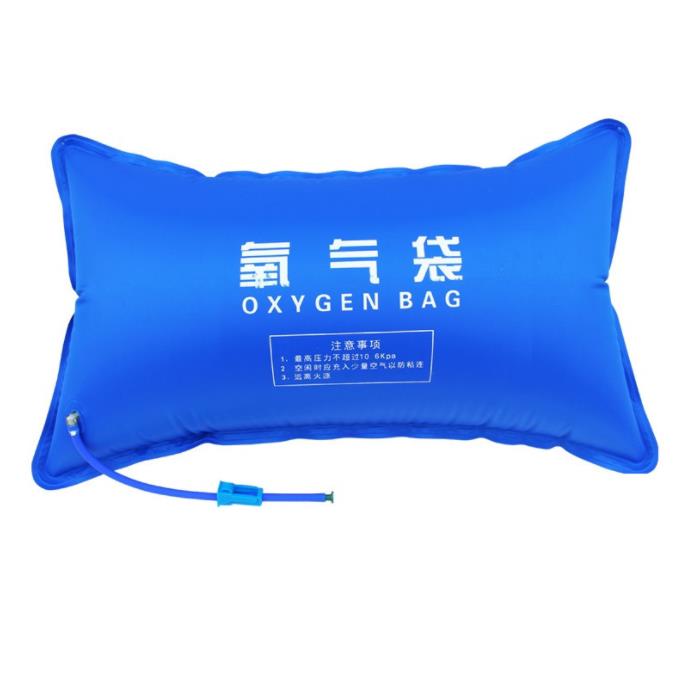
Che cos'è una sacca per ossigeno?
Una sacca per ossigeno è un componente flessibile per lo stoccaggio di gas progettato per contenere ossigeno per una particolare applicazione medica o d'emergenza.
La sua costruzione comprende normalmente diversi elementi funzionali:
- Corpo flessibile in tessuto rivestito
- Valvola di ingresso e uscita
- Le cuciture saldate
- Aree di connessione rinforzate
- Componenti per il trasporto o il montaggio, a seconda del design
Il corpo in tessuto fornisce il volume principale di stoccaggio. A differenza di un contenitore rigido, può cambiare forma al variare della quantità di gas immagazzinato.
Questa flessibilità può essere utile quando il prodotto deve adattarsi a spazi limitati o essere trasportato dal personale medico.
Il materiale utilizzato per la sacca deve svolgere diverse funzioni contemporaneamente. Deve avere una resistenza meccanica sufficiente per sostenere la struttura, un rivestimento adeguato per garantire la tenuta dei gas e una superficie che possa essere unita in modo affidabile durante la produzione.
Questo rende Tessuto per sacche di ossigeno diverso dai comuni materiali tessili impermeabili.
Un tessuto può essere altamente idrorepellente eppure non essere adatto a un'applicazione di stoccaggio di gas. La tenuta dei gas, l'integrità del rivestimento e il comportamento delle saldature devono essere valutati insieme.
Quali sono i principali vantaggi dell'utilizzo di una sacca per ossigeno?
I principali vantaggi di una sacca flessibile per ossigeno derivano dalla sua costruzione.
Anziché fare affidamento su un guscio rigido per mantenere una forma fissa, la sacca utilizza un materiale flessibile per creare un sistema di stoccaggio leggero.
Ciò può offrire diversi benefici pratici.
Costruzione leggera
Il peso diventa un fattore importante quando le attrezzature per ossigeno vengono trasportate frequentemente.
Personale delle ambulanze, soccorritori e utenti dell'assistenza domiciliare potrebbero dover spostare le attrezzature da un luogo all'altro. Un contenitore pesante aumenta il carico di manipolazione, specialmente quando si trasportano diverse attrezzature insieme.
Una sacca flessibile può ridurre il peso strutturale associato ai contenitori rigidi.
Il peso finale dipende dalla struttura del tessuto, dallo spessore del rivestimento, dalla capacità, dalle valvole e dai rinforzi, ma il formato flessibile offre ai progettisti maggiore libertà per ottimizzare il prodotto complessivo.
Per le attrezzature mediche portatili, questo può fare una differenza significativa.
Stoccaggio compatto
Uno dei vantaggi meno evidenti di una sacca flessibile per ossigeno è ciò che accade quando è vuota.
Un contenitore rigido mantiene la sua forma originale sia quando è pieno sia quando è vuoto. Una sacca flessibile può essere piegata o compressa entro i limiti della sua costruzione.
Ciò può contribuire a ridurre il volume di stoccaggio durante:
- Stoccaggio in magazzino
- Trasporto
- Preparazione di kit di emergenza
- Imballaggio delle attrezzature
- Operazioni mediche mobili
Per distributori e produttori di attrezzature mediche, uno stoccaggio compatto può anche semplificare la logistica.
Il beneficio è particolarmente rilevante quando i prodotti vengono spediti in grandi quantità o devono essere conservati come attrezzature di backup.
Trasporto più semplice
Una sacca per ossigeno può essere integrata in attrezzature portatili dove spazio e peso sono limitati.
Ciò è utile in ambienti in cui il personale medico non può contare su un'impianto fisso.
Le possibili applicazioni includono:
- Attrezzature per ambulanze
- Kit di risposta alle emergenze
- Attrezzature per l'assistenza domiciliare
- Operazioni mediche a distanza
- Sistemi portatili di primo soccorso
La costruzione flessibile consente di posizionare il prodotto intorno ad altre attrezzature con maggiore facilità rispetto a un contenitore rigido fisso.
Forma flessibile
La forma di una sacca per ossigeno può adattarsi al prodotto che la circonda.
Ciò è particolarmente utile quando i progettisti lavorano con apparecchiature mediche compatte o sistemi di trasporto personalizzati.
La sacca può essere progettata intorno allo spazio disponibile, invece di obbligare l'intero pacchetto di attrezzature a inserirsi in un cilindro o serbatoio rigido.
Tuttavia, la flessibilità introduce anche considerazioni progettuali.
Il tessuto deve sopportare piegature e ripiegature ripetute senza danneggiare il rivestimento o creare zone deboli. Anche le cuciture saldate e i collegamenti delle valvole devono resistere ai movimenti durante la normale manipolazione.
La forma della sacca deve quindi essere considerata insieme al materiale.
Deploy rapidi
Le attrezzature di emergenza sono spesso conservate fino al momento del bisogno.
Quando diventa necessario il dispiegamento, le attrezzature devono essere facili da rimuovere, posizionare e collegare.
Una sacca per ossigeno flessibile può essere integrata in sistemi di emergenza compatti dove la portabilità è importante.
Il valore pratico non si limita semplicemente al fatto che la sacca sia leggera. Il suo formato generale può rendere più facile il trasporto, il posizionamento e l'organizzazione delle attrezzature.
Perché il tessuto della sacca per ossigeno è importante?
Il tessuto è il componente strutturale principale di una sacca per ossigeno flessibile.
Deve offrire un equilibrio controllato tra resistenza meccanica e flessibilità.
Un tessuto molto pesante può fornire un'ottima resistenza meccanica ma rendere il prodotto finito inutilmente difficile da trasportare.
Un tessuto molto leggero può ridurre il peso ma richiedere rinforzi o supporti strutturali aggiuntivi.
Ecco perché i progettisti esperti non scelgono il tessuto basandosi semplicemente sul denier o sullo spessore totale.
Diverse proprietà devono essere considerate insieme.
Prestazioni di tenuta all'aria
La tenuta dei gas è una delle caratteristiche più importanti di una sacca per ossigeno.
Il rivestimento deve fornire una barriera continua con permeabilità minima e copertura uniforme su tutta la superficie del tessuto.
Tuttavia, la tenuta d'aria del tessuto da sola non garantisce che la sacca finita trattenga l'ossigeno.
Le cuciture saldate, i collegamenti delle valvole e le aree rinforzate possono tutte diventare potenziali punti di perdita.
Un prodotto completo deve quindi essere testato dopo la fabbricazione.
Resistenza alla trazione
Il tessuto deve resistere alle forze meccaniche generate durante il riempimento, la manipolazione e il trasporto.
La resistenza alla trazione è particolarmente importante intorno a:
- Maniglie
- Aree delle valvole
- Punti di montaggio
- Transizioni saldate
- Sezioni rinforzate
La resistenza richiesta dipende dalle dimensioni e dalla struttura della sacca finita.
Piccoli tagli o forature possono rapidamente trasformarsi in strappi più grandi quando il manicotto del laccio emostatico viene gonfiato ripetutamente.
Piccoli tagli o perforazioni possono crescere sotto carichi meccanici ripetuti.
Un tessuto di rinforzo adeguato aiuta a limitare la propagazione dei danni.
Il nylon è spesso preso in considerazione per applicazioni in cui è richiesta un'elevata resistenza rispetto al peso.
Si possono selezionare diversi denier a seconda del prodotto previsto.
Resistenza alla flessione
Una sacca per ossigeno può essere piegata durante il trasporto o spostata ripetutamente durante l'uso.
Il tessuto rivestito deve quindi tollerare le piegature senza screpolature, delaminazioni o perdita delle sue prestazioni sigillanti.
La flessibilità non è solo una caratteristica di comfort.
Può influenzare direttamente la durata di vita.
Tessuto rivestito in PVC e tessuto rivestito in TPU
I tessuti rivestiti in PVC sono stati ampiamente utilizzati in prodotti medici flessibili e gonfiabili per molti anni.
Offrono una tecnologia di lavorazione consolidata, buone caratteristiche di saldatura e costi di produzione competitivi.
Per i produttori che realizzano prodotti per lo stoccaggio dell'ossigeno a basso costo e ad alto volume, queste caratteristiche restano importanti.
I tessuti rivestiti in TPU offrono un'altra opzione di materiale.
Il TPU può offrire eccellente flessibilità, resistenza all'abrasione e una sensazione più morbida al tatto, mentre la costruzione priva di PVC può anche sostenere strategie di sviluppo di prodotti in cui i clienti cercano alternative ai materiali convenzionali in PVC.
La scelta non dovrebbe ridursi a una semplice affermazione secondo cui un materiale è universalmente migliore.
Un responsabile del prodotto dovrebbe considerare:
| Requisito | Tessuto rivestito in PVC | Tessuto rivestito in TPU |
|---|---|---|
| Costo del materiale | Più basso | Più alto |
| A differenza di componenti medicali rigidi, i manicotti gonfiabili devono adattarsi comodamente a diverse dimensioni degli arti mantenendo una distribuzione uniforme della pressione. | Buono | Eccellente |
| Compatibilità con la saldatura | Eccellente | Eccellente |
| Resistenza all'abrasione | Buono | Molto buone |
| Posizionamento del prodotto privo di PVC | No | Sì |
| Esperienza di produzione matura | Eccellente | In crescita |
| Sviluppo di prodotti premium | Buono | Eccellente |
L'opzione più adatta dipende dall'applicazione prevista, dal prezzo target, dalle attrezzature di produzione e dal posizionamento del prodotto richiesto.
Perché la saldatura è fondamentale per l'affidabilità delle sacche per ossigeno
La tela può essere ermetica prima della produzione, ma la sacca per ossigeno finita contiene molteplici cuciture.
Queste cuciture devono creare una barriera continua intorno alla camera di stoccaggio.
La cucitura tradizionale introduce fori d'ago attraverso il materiale e pertanto richiede misure aggiuntive di sigillatura quando è necessaria un'ottima tenuta all'aria.
I tessuti rivestiti in termoplastico possono invece essere uniti tramite processi di saldatura come:
- Saldatura HF
- Saldatura RF
- Saldatura a caldo
Il processo esatto dipende dalla composizione del materiale e dal design del prodotto.
Cuciture saldate continue
Quando i rivestimenti termoplastici compatibili sono saldati correttamente, le due superfici possono fondersi tra loro e formare un giunto sigillato continuo.
Ciò risulta particolarmente utile per geometrie complesse delle sacche per ossigeno.
Il processo di saldatura deve essere controllato con cura.
Temperatura, pressione e tempo di saldatura influenzano tutte la cucitura finale.
Un'energia insufficiente può portare a una fusione incompleta.
Un'energia eccessiva può danneggiare il rivestimento o causare deformazioni.
Per questo motivo, i parametri di saldatura dovrebbero essere stabiliti tramite test sul prodotto piuttosto che copiati da un'altra specifica di tessuto.
Le connessioni delle valvole richiedono un'attenzione extra
L'area della valvola è uno dei punti più importanti in una sacca per ossigeno.
Essa unisce il tessuto flessibile con un componente rigido.
Lo stress meccanico può concentrarsi intorno alla connessione, specialmente quando la sacca viene spostata mentre è piena.
I produttori possono quindi rinforzare il tessuto circostante e validare la connessione della valvola tramite ripetuti test di pressione e manipolazione.
Un fornitore di tessuti dovrebbe comprendere questa esigenza prima di consigliare un materiale.
La forma e le dimensioni della sacca influiscono sui requisiti del materiale
La scelta del materiale non può essere separata dalla geometria del prodotto.
Ciò è particolarmente importante quando i produttori chiedono quanta pressione possa sopportare un determinato tessuto per sacche per ossigeno.
Non esiste una risposta significativa basata solo sullo spessore del tessuto o sulla specifica del rivestimento.
Lo stress effettivo subito dal tessuto dipende dal prodotto finito:
- Dimensioni
- Forma
- Pressione interna
- Geometria delle cuciture
- Larghezza della saldatura
- Struttura di rinforzo
- Raggio delle aree curve
- Flessibilità del materiale
Una camera più grande può generare una distribuzione dello stress diversa rispetto a una camera più piccola, anche se entrambi i prodotti utilizzano lo stesso tessuto.
Allo stesso modo, gli angoli acuti possono creare concentrazioni locali di stress maggiori rispetto alle transizioni arrotondate.
Per lo sviluppo del prodotto, l'approccio corretto è quindi valutare la specifica del tessuto e la struttura del prodotto insieme.
Il tessuto è una parte del sistema di mantenimento della pressione.
Dove si usano comunemente le sacche per ossigeno?
I prodotti flessibili per lo stoccaggio dell'ossigeno possono servire a una serie di applicazioni in cui la portabilità e la costruzione compatta sono importanti.
Attrezzature per ambulanze
Le ambulanze richiedono attrezzature che possano essere spostate rapidamente e conservate in modo efficiente.
I sistemi flessibili per l'ossigeno possono essere presi in considerazione quando lo spazio disponibile è limitato e le attrezzature devono rimanere portatili.
Risposta alle emergenze
Le squadre di emergenza possono trasportare attrezzature per l'ossigeno in luoghi dove non è disponibile un'infrastruttura medica fissa.
Un peso inferiore e uno stoccaggio compatto possono essere preziosi quando le attrezzature devono essere trasportate a mano.
Assistenza domiciliare
Le attrezzature per l'assistenza domiciliare spesso devono integrarsi naturalmente negli ambienti domestici.
Design compatti e leggeri possono rendere più facile per i caregiver posizionare e trasportare le attrezzature.
Servizi medici remoti
Le squadre mediche che operano in aree remote possono avere limiti rigorosi sulle quantità di attrezzature che possono portare.
Formati di stoccaggio flessibili possono contribuire a ridurre lo spazio occupato da sistemi di backup o portatili.
Applicazioni veterinarie
Alcune attrezzature veterinarie utilizzano anche componenti flessibili per lo stoccaggio del gas o gonfiabili.
I requisiti dei materiali variano a seconda del prodotto, ma flessibilità, tenuta all'aria e durabilità rimangono considerazioni importanti.
Selezione del tessuto per sacche d'ossigeno: cosa dovrebbero verificare i produttori
La scelta del tessuto per sacche d'ossigeno dovrebbe iniziare dal prodotto finito piuttosto che dal catalogo dei tessuti.
Tessuto base
Il nylon e il poliestere possono entrambi essere utilizzati come substrati di rinforzo a seconda dell'applicazione.
Il nylon è spesso preso in considerazione quando è importante un alto rapporto resistenza-peso.
Denari diversi, come 70D, 210D o 420D, offrono bilanciamenti differenti tra peso, resistenza e flessibilità.
L'opzione appropriata dipende dalla struttura della sacca.
Coating Thickness
Un rivestimento più spesso può migliorare le prestazioni barriera e fornire materiale aggiuntivo per la saldatura, ma può anche aumentare peso e rigidità.
Lo spessore target del rivestimento dovrebbe quindi essere determinato dalle esigenze complete del prodotto.
Adesione del rivestimento
Il rivestimento deve rimanere saldamente aderente al substrato tessile durante la piegatura e la manipolazione ripetuta.
Una scarsa adesione può alla fine portare a delaminazione e compromettere l'integrità del materiale.
Compatibilità con la saldatura
Il tessuto selezionato dovrebbe essere testato con il processo di saldatura previsto prima della produzione in serie.
Ciò è particolarmente importante quando si passa dal PVC al TPU.
Le attrezzature per la saldatura possono rimanere simili, ma la finestra ottimale di lavorazione può essere diversa.
Flessibilità e prestazioni a basse temperature
Le attrezzature mediche portatili possono essere trasportate o conservate in condizioni ambientali variabili.
Il tessuto dovrebbe mantenere una flessibilità sufficiente senza diventare eccessivamente rigido o sviluppare danni superficiali.
Conformità specifica per applicazione
Per applicazioni mediche, l'intero sistema di materiali dovrebbe essere valutato rispetto ai requisiti del mercato e del prodotto target.
Un fornitore dovrebbe fornire documentazione tecnica e dati di prova appropriati laddove richiesto.
Anche il sistema di stoccaggio dell'ossigeno finito necessita della propria validazione, poiché la sola conformità dei materiali non garantisce la sicurezza o l'idoneità del dispositivo medico completato.
Sacche d'ossigeno confrontate con contenitori rigidi per ossigeno
Sacche flessibili per ossigeno e contenitori rigidi per ossigeno servono a scopi diversi.
Un contenitore rigido offre stabilità strutturale ed è adatto per applicazioni in cui sono richieste geometria fissa e stoccaggio ad alta pressione.
Una sacca flessibile è più interessante quando sono importanti portabilità, stoccaggio compatto e installazione flessibile.
| Fattore | Sacca flessibile per ossigeno | Contenitore rigido per ossigeno |
|---|---|---|
| Peso | Generalmente inferiore | Generalmente superiore |
| Stoccaggio vuoto | Compatto | Volume fisso |
| Portabilità | Eccellente | Moderate |
| Flessibilità di forma | Alta | Basso |
| Rigidità strutturale | Basso | Alta |
| Applicazioni idonee | Sistemi portatili e flessibili | Sistemi di stoccaggio rigidi |
Non si tratta di sostituire ogni contenitore rigido per ossigeno con una sacca flessibile.
Il formato corretto dipende dalle esigenze di pressione, dalla capacità di stoccaggio, dal design dell'attrezzatura e dall'ambiente operativo previsto.
Cosa rende affidabile una sacca per ossigeno?
Una sacca per ossigeno affidabile è il risultato di diversi componenti che lavorano insieme.
Il tessuto deve fornire le proprietà meccaniche e barriera richieste.
Il rivestimento deve rimanere intatto.
Il processo di saldatura deve produrre cuciture uniformi.
La valvola deve rimanere saldamente collegata.
La geometria della sacca deve distribuire adeguatamente le sollecitazioni.
Infine, il prodotto finito deve superare i test appropriati di tenuta, pressione e durabilità.
Ecco perché una specifica del tessuto non dovrebbe mai essere considerata separatamente dal prodotto finito.
Un tessuto ad alta resistenza non può compensare un collegamento debole della valvola.
Un buon rivestimento non può compensare una saldatura mal controllata.
Una cucitura robusta non può compensare una geometria della sacca inadeguata.
L'affidabilità del prodotto deriva dalla progettazione completa.
I vantaggi dell'utilizzo di una sacca per ossigeno derivano principalmente dalla sua struttura flessibile.
Rispetto ai formati rigidi di stoccaggio, una sacca per ossigeno opportunamente progettata può offrire peso inferiore, stoccaggio compatto, trasporto più facile e maggiore libertà nell'integrazione dello stoccaggio di ossigeno nelle apparecchiature mediche portatili.
Per i produttori, tuttavia, questi vantaggi dipendono fortemente dalla scelta dei materiali e dal design del prodotto.
Il tessuto per sacche per ossigeno deve garantire tenuta all'aria, resistenza meccanica, resistenza agli strappi, flessibilità e caratteristiche di saldatura affidabili. Il rinforzo in nylon, il rivestimento in PVC e il rivestimento in TPU offrono ciascuno opzioni diverse per bilanciare queste esigenze.
La decisione finale dovrebbe basarsi sull'applicazione prevista, sulla geometria del prodotto, sul processo di produzione e sulla vita utile target.
Per i produttori che sviluppano apparecchiature portatili per l'ossigeno, prodotti medici d'emergenza o altri sistemi flessibili di stoccaggio gas, il punto di partenza più utile non è semplicemente chiedersi quale tessuto sia più resistente.
È chiedersi cosa debba fare il prodotto finito.
Una volta definiti l'ambiente operativo, le dimensioni, la pressione, le condizioni di manipolazione e il metodo di produzione, diventa molto più facile determinare la costruzione del tessuto appropriata.
Questo approccio produce una soluzione materiale più pratica — e una sacca per ossigeno più affidabile.
 English
  Spanish
  Italian
  Korean
  French
  Japanese
  Arabic
  Portuguese
  Vietnamese
  German
  Turkish
  Belarusian