


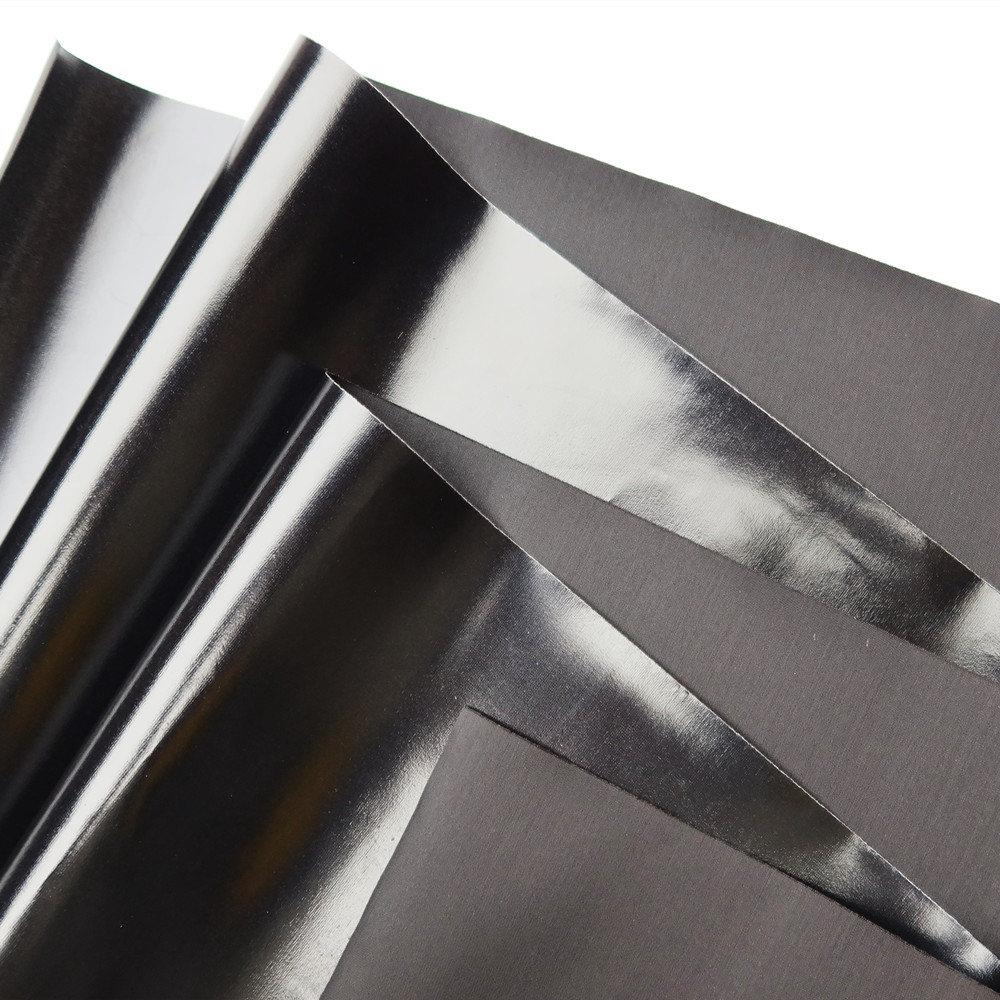
Este estudio de caso detalla una colaboración técnica exitosa entre un fabricante global de equipos originales (OEM) de la lista Fortune 500, especializado en dispositivos de compresión secuencial (SCD). El OEM enfrentaba fallas persistentes en campo y un aumento en los costos de garantía debido a la ruptura de las cámaras inflables en sus mangas terapéuticas reutilizables. Al sustituir su película plástificada de PVC actual por nuestra película de TPU de grado médico MediFusion™ MX202 de 0,20 mm, el OEM logró una reducción del 30% en las tasas de fallo de los dispositivos en los 12 meses posteriores a la implementación completa. Esto generó ahorros anuales en garantía superiores a $2 millones, mejoró la continuidad de la terapia para los pacientes y fortaleció la reputación de la marca. Este documento describe el desafío técnico, nuestra solución material, el riguroso proceso de validación y los resultados comerciales cuantificados.
Antecedentes del cliente y desafío de la industria
El cliente
Una empresa de tecnología médica de la lista Fortune 500 y líder mundial en terapia vascular y dispositivos de compresión. Sus SCD principales se utilizan en hospitales de todo el mundo para la prevención de trombosis venosa profunda (TVP) y el manejo del linfedema — operando las 24 horas del día en entornos de cuidados críticos.
El problema central
El cliente experimentaba una tasa inaceptable de fallas en las cámaras inflables de sus mangas de compresión graduada reutilizables. Las fallas incluían roturas repentinas y microfugas crónicas, lo que provocaba:
- Interrupción de la terapia – Los dispositivos dejaban de funcionar, aumentando el riesgo de TVP para los pacientes.
- Altos costos de reparación/reemplazo en campo – Las reclamaciones de garantía se dispararon en múltiples cuentas hospitalarias.
- Insatisfacción del cliente (hospital) – La retroalimentación negativa dañó la reputación de fiabilidad del OEM.
- Aumento de los costos de investigación interna – Los equipos de ingeniería y aseguramiento de calidad destinaron recursos significativos al análisis de fallas.
Análisis preliminar de la causa raíz
La investigación interna del cliente identificó la película plástificada de PVC como el principal contribuyente. Modos específicos de falla:
| Modo de falla | Descripción |
|---|---|
| Cracking en las uniones soldadas con HF | Las soldaduras se volvieron frágiles y se agrietaron tras ciclos repetidos de inflado. |
| Pinholes y microgrietas | Perforaciones microscópicas desarrolladas por plegado, limpieza y ciclos de presión. |
| Fatiga del material | El PVC perdió elasticidad durante la vida útil prevista del dispositivo (cientos de ciclos), incapaz de soportar la presión de inflado. |
El PVC plástificado también presentaba riesgos regulatorios a largo plazo debido al contenido de ftalatos, aunque no fue el factor inmediato.
Solución: Película de TPU de grado médico patentada
El cliente inició un proceso formal de calificación de proveedores. Fuimos seleccionados como socio de desarrollo gracias a nuestra probada experiencia en polímeros de grado médico y a nuestro historial de resolución de desafíos similares en aplicaciones.
A. Análisis de especificaciones del material
Nuestro equipo de ingeniería colaboró directamente con el cliente para definir los requisitos exactos:
| Parámetro | Requisito |
|---|---|
| Ciclos de presión | Múltiples ciclos de inflado y desinflado por minuto, hasta 24 horas al día |
| Protocolos de limpieza | Limpiezas repetidas y sumergimiento en desinfectantes de grado hospitalario (alcohol, agentes oxidantes) |
| Estrés mecánico | Plegado, envoltura, compresión e impactos incidentales |
| Biocompatibilidad | Contacto superficial a largo plazo (ISO 10993) |
| Compatibilidad con procesos | Soldadura de alta frecuencia (HF) en líneas de producción existentes |
B. Solución propuesta
Recomendamos Película de TPU de grado médico MediFusion™ MX202 – 0,20 mm de espesor, seleccionada por las siguientes propiedades materiales:
| Tejido recubierto con PVC | Beneficio |
|---|---|
| Superior resistencia a la fatiga y recuperación elástica | La estructura molecular del TPU soporta millones de ciclos de flexión y presión sin microgrietas ni deformación permanente — solucionando directamente la fatiga del material PVC. |
| Fuerza de soldadura HF mejorada | La fusión a nivel molecular crea soldaduras tan fuertes o más fuertes que el material base, eliminando la formación de grietas en las costuras. |
| Excelente estabilidad química e hidrolítica | Resiste la degradación por alcoholes, oxidantes y lavados repetidos — sin fragilización con el tiempo. |
| Alta pureza y biocompatibilidad | Libre de ftalatos, fabricado con materias primas de grado farmacéutico. Incluidos informes completos de pruebas ISO 10993 (citotoxicidad, sensibilización, irritación). |
| Control dimensional preciso | 0,20 mm optimizado para flexibilidad (conformidad con las extremidades del paciente) y durabilidad (resistencia a perforaciones y rasgaduras). |
Proceso de validación y pruebas
El cliente requería una validación rigurosa y basada en datos antes de cualquier cambio en el material. Apoyamos un protocolo en tres fases.
Fase 1: Pruebas de referencia en laboratorio
Suministramos muestras de película al laboratorio interno del cliente y a un laboratorio externo acreditado.
Resultados (TPU frente a PVC actual):
| Tejido recubierto con PVC | Mejora |
|---|---|
| Resistencia a la rotura | +45% |
| Alargamiento hasta la rotura | +120% |
| Fuerza de desprendimiento (costura soldada) | +60% |
| Envejecimiento acelerado (equivalente a 2 años) | TPU: 25% de pérdida de flexibilidad |
Fase 2: Validación del proceso (soldadura HF)
Un desafío clave era la compatibilidad con los equipos de producción existentes. Nuestros ingenieros visitaron el sitio de fabricación del cliente para optimizar conjuntamente los parámetros de soldadura (potencia, presión, tiempo de mantenimiento, enfriamiento).
Resultados:
- Logramos soldaduras fuertes, consistentes y libres de defectos en múltiples líneas de producción.
- Pruebas de presión de rotura en costuras soldadas: Las costuras de TPU fallaron a una presión 35% superior que las costuras de PVC.
- Observación crítica: el modo de fallo del TPU fue desgarro del sustrato (lejos de la soldadura), mientras que el PVC falló en la interfaz de la soldadura.
Fase 3: Prototipado y ensayo en campo
El cliente produjo mangas de producción limitada utilizando nuestra película de TPU y las desplegó en un ensayo controlado de 6 meses en tres hospitales de alto volumen.
Resultados:
- Cero fallos relacionados con el material en el grupo de TPU (n=1.200 mangas).
- El grupo de control (PVC actual) mostró una tasa de fallos esperada de ~3,5%.
- Comentarios del personal hospitalario: las mangas de TPU se sintieron “más duraderas, flexibles y fáciles de limpiar”.”
Implementación y resultados cuantificados
Basándose en los datos de validación, el cliente aprobó la transición completa a película de TPU MediFusion™ MX202 para toda nueva producción y como reemplazo de la bolsa en kits de servicio.
Resultados cuantificados (12 meses después de la implementación)
| KPI | Resultado |
|---|---|
| Reducción de la tasa de fallos en campo | ↓30% (de 3,5% a 2,45% de devoluciones bajo garantía) |
| Ahorro anual en costos de garantía | $2,1 millones (solo costos directos; excluye logística e impacto de marca) |
| Reducción de la tasa de desperdicio en producción | ↓15% Menos soldaduras fallidas durante la fabricación |
| Quejas de clientes (relacionadas con las bolsas) | ↓52% |
| Retorno sobre la inversión (ROI) | Logrado en el plazo de 8 meses de implementación completa |
Beneficios comerciales adicionales
- Mejor continuidad en la terapia para los pacientes – Menos intercambios de dispositivos durante la prevención crítica de TVP.
- Reputación de marca más sólida – El OEM lanzó mensajes sobre “durabilidad mejorada” como diferencial competitivo.
- Preparación regulatoria – La composición libre de ftalatos del TPU está alineada con la MDR de la UE y futuras restricciones globales.
Lecciones aprendidas y perspectiva futura
Este estudio de caso demuestra que, en el diseño de dispositivos médicos, la selección de materiales no es una decisión de commoditie — es una decisión crítica en términos de rendimiento y gestión de riesgos.
Factores clave de éxito
- Solución colaborativa de problemas – Operamos como una extensión del equipo de ingeniería del cliente, no solo como un proveedor de materiales.
- Validación basada en datos – Cada fase (laboratorio, proceso, campo) estuvo respaldada por datos objetivos y auditables.
- Soporte más allá del producto – Proporcionamos experiencia técnica, optimización de procesos in situ y documentación regulatoria completa (ISO 10993, archivos maestros de materiales, guías de soldadura).
Perspectiva futura
El éxito de este proyecto ha abierto oportunidades de colaboración más amplias:
- El cliente ahora está evaluando nuestro Tejidos recubiertos de TPU para manguitos reutilizables de presión arterial y férulas inflables — con el objetivo de lograr beneficios similares en términos de confiabilidad y costos.
- Las primeras conversaciones están en curso para calificar nuestra película de TPU para fundas desechables SCD para reducir los residuos hospitalarios manteniendo el rendimiento.
Elegir nuestros materiales de TPU de grado médico no es solo un cambio de proveedor — es una inversión estratégica en el rendimiento del dispositivo, la seguridad regulatoria y la equidad de marca a largo plazo
¿Listo para reducir las tasas de fallo de sus dispositivos? Contáctenos para solicitar muestras, soporte en soldadura o un plan de validación personalizado.
 English
  Spanish
  Italian
  Korean
  French
  Japanese
  Arabic
  Portuguese
  Vietnamese
  German
  Turkish
  Belarusian