


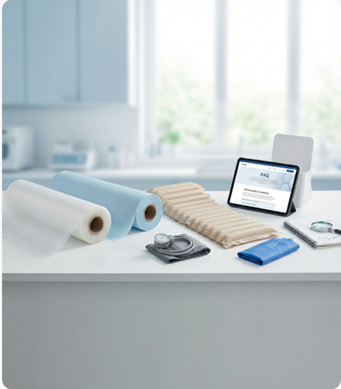
Die Gesundheitsbranche steht vor einem wachsenden Widerspruch. Einerseits treibt sie weiterhin die Grenzen von Patientenversorgung, Sicherheit und klinischen Ergebnissen voran. Andererseits bleibt sie einer der größten Verursacher globaler Abfälle, von denen ein erheblicher Teil auf medizinische Einweggeräte zurückzuführen ist.
Artikel wie Einwegmanschetten, Luftkammern, Matratzen und Schutzkomponenten werden häufig zur Infektionskontrolle eingesetzt. Obwohl sie effektiv sind, verursachen sie einen ständigen Fluss an Kunststoffabfällen und erfordern kontinuierlichen Herstellungsinput – Rohstoffe, Energie, Transport und Entsorgung.
Wenn Krankenhäuser und Hersteller beginnen, sich mit breiteren gesundheitlichen Nachhaltigkeitszielen auszurichten, verändert sich das Gespräch. Der Fokus liegt nicht mehr nur auf Leistung oder Kosten pro Einheit, sondern auf der gesamten Lebenszykluswirkung eines Produkts.
Hier kommt das Konzept wiederverwendbarer medizinischer Geräte ins Spiel. Anstatt Produkte für den einmaligen Gebrauch zu konzipieren, betrachten Hersteller zunehmend, wie Materialien Langlebigkeit, wiederholte Nutzung und sichere Wiederaufbereitung unterstützen können.
Im Mittelpunkt dieser Umstellung stehen nachhaltige TPU-Textilien. Diese Materialien sind nicht nur ein Ersatz für herkömmliche Kunststoffe – sie repräsentieren vielmehr eine andere Denkweise beim Produktdesign. Durch die Kombination von Flexibilität, Festigkeit und chemischer Stabilität, medizinisch geeignete TPU-Gewebe ermöglichen eine neue Generation wiederverwendbarer, leistungsstarker medizinischer Geräte.
Warum Wiederverwendbarkeit heute wichtiger denn je ist
Nachhaltigkeit im Gesundheitswesen wird oft mit Recycling in Verbindung gebracht, doch in der Praxis spielt Recycling verglichen mit der Reduzierung des Verbrauchs an der Quelle nur eine relativ geringe Rolle. Der effektivste Weg, die Umweltauswirkungen zu senken, besteht darin, die Lebensdauer von Produkten zu verlängern.
Für aufblasbare medizinische Geräte, die stark auf beschichtete Textilien und flexible Materialien angewiesen sind, hängt die Wiederverwendbarkeit von drei entscheidenden Faktoren ab.
Verlängerte Produktlebensdauer
Je länger ein Gerät genutzt werden kann, desto geringer ist sein ökologischer Fußabdruck pro Behandlungszyklus. Ein wiederverwendbares Gerät, das Hunderte von Nutzungen unterstützt, ersetzt Hunderte von Einwegalternativen.
Dies hat direkte Auswirkungen auf:
- Rohstoffverbrauch
- Energiebedarf bei der Herstellung
- Logistik- und Verpackungsabfälle
- Entsorgungs- und Verbrennungsmengen
Zum Beispiel kann eine hospitaltaugliche aufblasbare Matratze aus TPU-Gewebe jahrelang im Einsatz bleiben. Im Gegensatz dazu müssen Einwegbezüge häufig ersetzt werden, was kontinuierlich Abfall verursacht.
-1300x726.png)
Langlebigkeit ohne Kompromisse bei der Sicherheit
Allein Langlebigkeit reicht nicht aus. Medizinische Geräte müssen ihre Leistungsfähigkeit bei wiederholter Nutzung, Reinigung und Sterilisation bewahren. Jede Verschlechterung der Materialeigenschaften kann zu einem Versagen führen, das sich direkt auf die Patientensicherheit auswirkt.
Wiederverwendbare Systeme müssen widerstandsfähig sein gegen:
- Mechanische Belastung durch Auf- und Entlüften
- Wiederholtes Falten, Komprimieren und Handhaben
- Exposition gegenüber Reinigungsmitteln und Desinfektionsmitteln
- Temperaturschwankungen während der Sterilisation
Materialien, die unter diesen Bedingungen ihre Integrität nicht bewahren können, lassen sich schlicht nicht wiederverwenden.
Kompatibilität mit Wiederaufbereitungsprotokollen
Ein wiederverwendbares Gerät ist nur dann praktikabel, wenn es effektiv gereinigt und sterilisiert werden kann. Das bringt eine weitere Ebene an Materialanforderungen mit sich.
Materialien müssen aushalten:
- Krankenhausreine Desinfektionsmittel
- Alkoholbasierte Reinigungslösungen
- Oxidationsmittel
- Dampf- oder Ethylenoxid-Sterilisation
Wenn ein Material während der Reinigung bricht, hart wird oder sich verschlechtert, gefährdet dies sowohl die Sicherheit als auch die Gebrauchstauglichkeit.
Hier scheitern viele traditionelle Materialien – und hier hebt sich medizinisch geeignetes TPU besonders hervor.
Warum TPU ein geeignetes Material für wiederverwendbares Gesundheitsdesign ist
Nicht alle Polymere sind in der Lage, die kombinierten Anforderungen an Langlebigkeit, Flexibilität und chemische Beständigkeit zu erfüllen. TPU, insbesondere in Textilform, bietet ein Gleichgewicht, das gut zu den Bedürfnissen wiederverwendbarer medizinischer Systeme passt.
Langzeitflexibilität und Ermüdungsbeständigkeit
Eines der charakteristischen Merkmale von TPU ist seine Fähigkeit, über längere Zeit hinweg Flexibilität zu bewahren. Im Gegensatz zu Materialien, die auf Weichmacher angewiesen sind, erreicht TPU Elastizität durch seine molekulare Struktur.
Dies ermöglicht es ihm:
- wiederholtem Biegen und Dehnen standzuhalten
- Rissbildung unter zyklischer Belastung zu widerstehen
- die Leistungsfähigkeit nach langfristigem Gebrauch beizubehalten
In Anwendungen wie Kompressionstherapieschläuchen oder aufblasbaren Rehabilitationsgeräten durchlaufen Materialien möglicherweise Tausende von Aufblaszyklen. Die Ermüdungsbeständigkeit von TPU macht es ideal für diese Bedingungen.
Beständigkeit gegen Chemikalien und Feuchtigkeit
Wiederverwendbare medizinische Geräte sind aggressiven Umgebungen ausgesetzt. Reinigungsmittel, Desinfektionsmittel und Feuchtigkeit tragen alle zur Materialverschlechterung bei.
TPU-beschichtete Gewebe bieten starke Beständigkeit gegen:
- alkoholbasierte Desinfektionsmittel
- oxidierende Reinigungsmittel
- hohe Luftfeuchtigkeit und nasse Bedingungen
Diese Beständigkeit hilft, sowohl die mechanische Leistung als auch die Oberflächenintegrität über die Zeit zu erhalten.
Für Gesundheitsdienstleister bedeutet dies weniger Austausch und zuverlässigere Geräte.
Nahtfestigkeit und strukturelle Zuverlässigkeit
Bei aufblasbaren medizinischen Produkten sind Nähte oft der schwächste Punkt. Ein Versagen an einer Naht kann das gesamte Gerät unbrauchbar machen.
TPU verfügt über hervorragende Schweißeigenschaften, insbesondere bei Hochfrequenzschweißverfahren. Dies ermöglicht Herstellern, zu schaffen:
- luftdichte Abdichtungen
- gleichmäßige Verklebungen über die gesamte Oberfläche
- starke Verbindungen, die der Festigkeit des Grundmaterials entsprechen
Dies verbessert die allgemeine Zuverlässigkeit wiederverwendbarer Geräte und verringert die Wahrscheinlichkeit eines frühzeitigen Ausfalls.
Materialkonsistenz und Biokompatibilität
Für medizinische Anwendungen ist Konsistenz entscheidend. Variationen in der Materialzusammensetzung können zu unvorhersehbaren Leistungen oder Compliance-Problemen führen.
Medizinisches TPU wird typischerweise formuliert, um:
- schädliche Zusatzstoffe wie Phthalate zu vermeiden
- Biokompatibilitätsstandards zu erfüllen
- konstante Eigenschaften über Chargen hinweg aufrechtzuerhalten
Diese Konsistenz unterstützt sowohl die regulatorische Einhaltung als auch die langfristige Produktleistung.
Realitätsnahe Anwendungen nachhaltiger TPU-Textilien
Der Übergang zu wiederverwendbaren Systemen zeigt sich bereits in verschiedenen Bereichen des Gesundheitswesens. TPU-basierte Materialien werden in einem zunehmenden Spektrum von Anwendungen eingesetzt.
Aufblasbare Rehabilitationsgeräte
Geräte wie Gehstiefel, Schienen und Stützorthesen werden zunehmend für die Wiederverwendung konzipiert. TPU-Gewebe ermöglichen es, diese Produkte über mehrere Patienten hinweg zu reinigen und wiederzuverwenden, während Komfort und strukturelle Integrität erhalten bleiben.
Druckentlastung und Krankenhausmatratzen
Alternierende Druckmatratzen und Luftkissen-Systeme setzen stark auf langlebige Luftzellen. TPU-beschichtete Textilien bieten die Flexibilität und Festigkeit, die für den Langzeiteinsatz erforderlich sind.
Diese Systeme sind dafür ausgelegt, zu widerstehen:
- kontinuierlichem Betrieb
- häufigen Reinigungszyklen
- hohen Patientenbelastungen
Im Vergleich zu Einwegalternativen reduzieren sie die Abfallproduktion erheblich.
Kompressionstherapiesysteme
Wiederverwendbare Kompressionsschläuche für die Durchblutungstherapie müssen einen gleichmäßigen Druck und strukturelle Stabilität aufrechterhalten.
TPU-Luftkammern bieten:
- zuverlässige Aufblasleistung
- Beständigkeit gegen Verformung
- Kompatibilität mit wiederholter Sterilisation
Dies macht sie sowohl für den klinischen als auch für den langfristigen Patienteneinsatz geeignet.
Diagnostik- und Notfallgeräte
Artikel wie Blutdruckmanschetten und Reanimationskomponenten entwickeln sich ebenfalls hin zu wiederverwendbaren Designs.
Durch den Ersatz von Einwegmaterialien mit TPU-Gewebestrukturen, Hersteller können Produkte entwickeln, die folgende Aspekte unterstützen:
- Wiederholte Reinigung
- Konstante Leistungsfähigkeit
- Geringere Langzeitkosten
Über die Haltbarkeit hinaus: Die Rolle von TPU im zirkulären Gesundheitswesen
Während die Verlängerung der Produktlebensdauer der unmittelbarste Nachhaltigkeitsvorteil ist, bietet TPU auch potenzielle Vorteile am Ende des Produktlebenszyklus.
Thermoplastische Recycelbarkeit
TPU ist ein thermoplastisches Material, was bedeutet, dass es unter den richtigen Bedingungen wiederaufbereitet werden kann. Obwohl Recycling-Systeme für TPU-Textilien sich noch in der Entwicklung befinden, unterstützt das Material selbst zukünftige zirkuläre Modelle.
Design für Demontage
Da Nachhaltigkeit immer stärker in das Produktdesign integriert wird, untersuchen Hersteller Möglichkeiten, Geräte leichter zu demontieren.
Dies könnte ermöglichen, dass TPU-Komponenten am Ende ihrer Lebensdauer effizienter getrennt und aufbereitet werden.
Reduzierung des gesamten CO₂-Fußabdrucks
Die Umweltbelastung eines Produkts betrifft nicht nur die Entsorgung – sie umfasst auch Herstellung, Transport und Nutzung.
Wiederverwendbare Geräte aus langlebigen Materialien wie TPU reduzieren den Bedarf an wiederholten Produktionszyklen, was wiederum senkt:
- Energieverbrauch
- CO₂-Emissionen
- Druck auf die Lieferkette
Herausforderungen und Überlegungen für Hersteller
Obwohl TPU klare Vorteile bietet, ist der Übergang zu wiederverwendbaren Systemen nicht frei von Herausforderungen.
Hersteller müssen berücksichtigen:
- Anfangskosten für Material und Produktion
- Designanpassungen für Langlebigkeit
- Validierung von Reinigungs- und Sterilisationsprozessen
- Regulatorische Anforderungen für wiederverwendbare Geräte
Allerdings werden diese Herausforderungen oft durch langfristige Vorteile ausgeglichen, darunter niedrigere Lebenszykluskosten und verbesserte Nachhaltigkeitsleistung.
Ein strategischer Wandel im Materialdenken
Der Schritt hin zu nachhaltige TPU-Textilien spiegelt einen breiteren Wandel wider, wie die Gesundheitsbranche mit Materialien umgeht.
Anstatt sich ausschließlich auf die unmittelbare Funktionalität zu konzentrieren, beginnen Hersteller, Materialien nach folgenden Kriterien zu bewerten:
- Lebenszyklusleistung
- Umweltauswirkungen
- Regulatorische Angleichung
- Langfristige Zuverlässigkeit
Dieser Wandel erfordert engere Zusammenarbeit zwischen Geräteherstellern und Materiallieferanten, insbesondere bei der Entwicklung wiederverwendbarer Systeme.
Mit TPU eine wiederverwendbare Zukunft aufbauen
Die Zukunft des Gesundheitswesens bewegt sich hin zu Systemen, die nicht nur effektiv, sondern auch nachhaltig sind. Einwegmodelle, obwohl in bestimmten Kontexten weiterhin notwendig, sind nicht mehr die Standardlösung.
Wiederverwendbare medizinische Geräte gewinnen an Bedeutung, und ihr Erfolg hängt stark von den verwendeten Materialien ab.
Medizinisch geeignete TPU-Textilien bieten einen praktischen Weg nach vorn. Sie bieten die nötige Haltbarkeit für wiederholte Nutzung, die erforderliche Stabilität für strenge Reinigung und die notwendige Konsistenz für die Einhaltung regulatorischer Vorschriften.
Noch wichtiger ist, dass sie es Herstellern ermöglichen, neu darüber nachzudenken, wie Geräte über die Zeit entworfen, genutzt und gewartet werden.
Da Gesundheitsdienstleister Nachhaltigkeit weiterhin priorisieren, werden Materialien wie TPU eine zentrale Rolle bei der Gestaltung der nächsten Generation medizinischer Geräte spielen – Produkte, die nicht nur für Leistung, sondern für Langlebigkeit und Verantwortung gebaut werden.
 English
  Spanish
  Italian
  Korean
  French
  Japanese
  Arabic
  Portuguese
  Vietnamese
  German
  Turkish
  Belarusian