


If you work with industrial fabrics, you have probably faced this question more than once. You need a material that is lightweight, strong, and waterproof. But the options seem endless. PVC coated polyester. Single-side TPU coated nylon. Rubberized fabrics. And then there is double-side TPU coated 210D nylon.
Many manufacturers start with PVC because it is cheap. Others try single-side TPU coating because they want to avoid PVC. But both options come with trade-offs.
This article walks through why double-side TPU coated 210D nylon fabric often ends up being the better choice. Not for every application. But for many. We will look at material properties, manufacturing issues, real-world performance, and total cost.
What Exactly Is Double-Side TPU Coated 210D Nylon Fabric?
Before comparing, a quick definition helps.
Take a piece of 210 denier nylon. That is the base fabric. Denier refers to the thickness of the individual fibers. 210D is relatively fine. It produces a lightweight fabric that is still strong enough for demanding uses. Think backpack material or inflatable boat fabric.
Now coat both sides with a thin layer of thermoplastic polyurethane. That is the TPU part. TPU is a type of plastic that stays flexible in cold weather, resists oil and grease, and welds cleanly with heat.
Double-side means exactly what it sounds like. The TPU coating goes on both the top and bottom of the nylon. Not just one side.
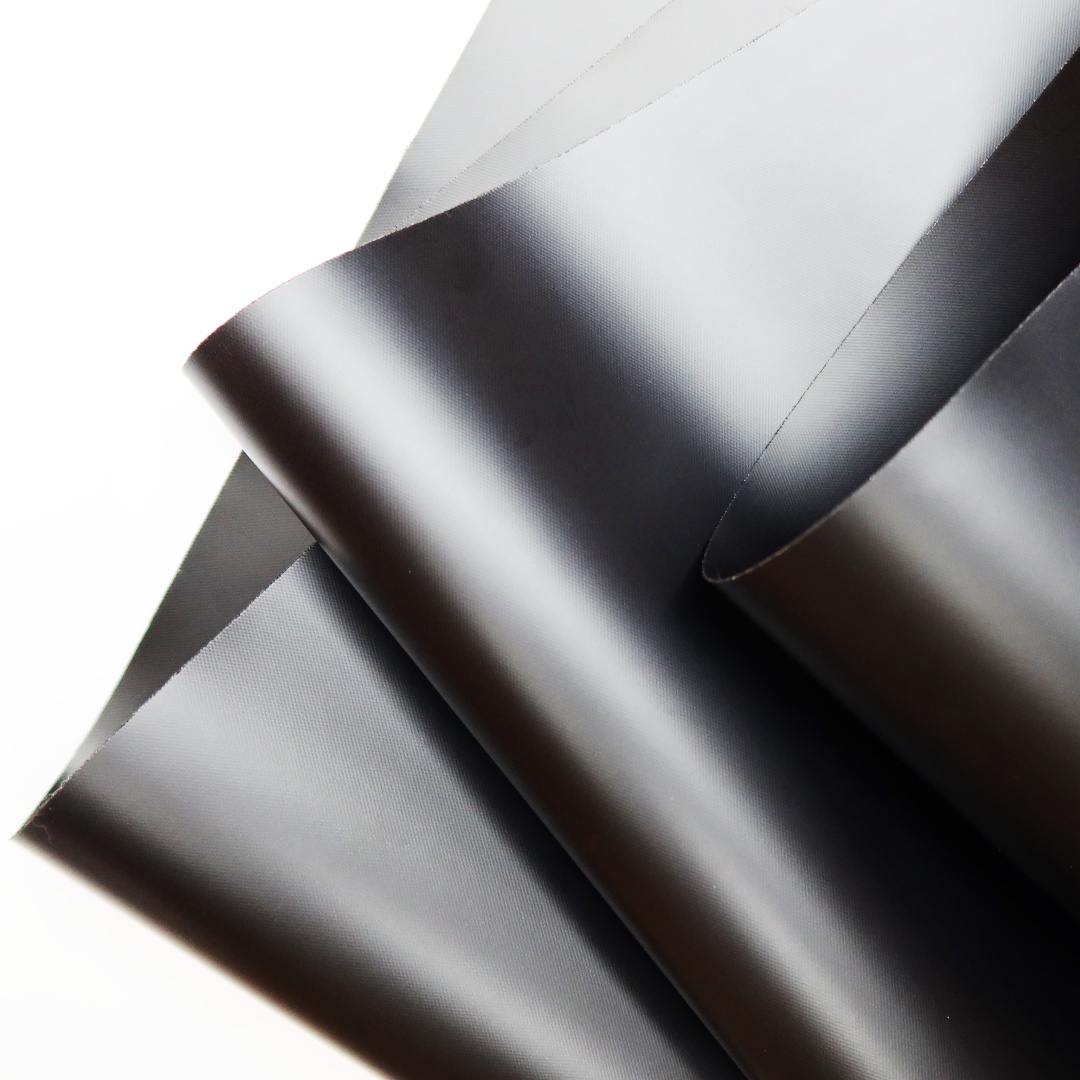
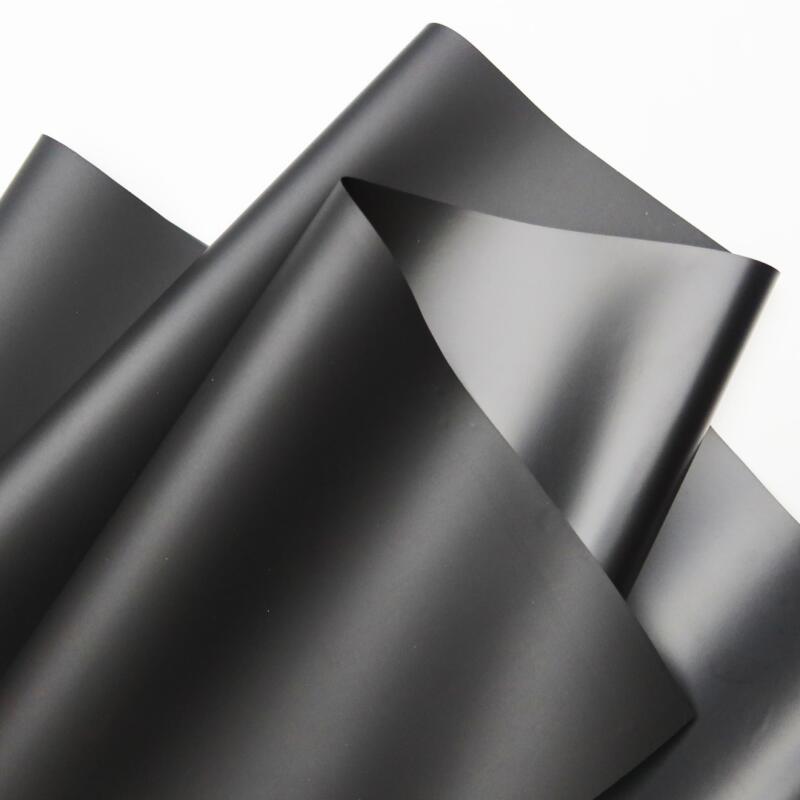
The result is a fabric that looks and feels the same on both surfaces. It does not curl. It does not absorb moisture from the back side. And you can weld seams on either side.
Why the Comparison Matters
You might be wondering why anyone would bother with double-side coating at all. Single-side coating is easier and cheaper to produce. So why add the extra step and cost?
The answer comes down to what happens when you actually use the fabric.
Single-side coated fabrics have an uncoated side. That bare nylon is exposed. It can absorb water, trap dirt, and become a place for bacteria to grow. When you weld a seam, you can only weld on the coated side. And the fabric tends to curl because the coating shrinks differently than the bare nylon.
PVC coated fabrics have a different set of problems. PVC becomes stiff and cracks in freezing temperatures. It releases chlorine when burned. And many markets are moving away from PVC because of environmental and health concerns.
Double-side TPU coating solves most of these problems. It costs more upfront. But it often saves money in the long run by lasting longer and performing better.
Key Properties That Set Double-Side TPU Coated Fabric Apart
Let us look at the numbers. But instead of just listing technical specs, I will explain what each property means for someone who actually has to use this fabric.
Tensile and Tear Strength
The 210D nylon base gives this fabric a tensile strength of roughly 800 Newtons in the warp direction and 700 Newtons in the weft direction. Tear strength runs around 60 Newtons by 50 Newtons.
What does that mean in plain language? The fabric resists pulling and stretching. If you are building a backpack strap or an inflatable boat chamber, the material will hold its shape under load. And if the fabric gets a small cut, it does not rip apart easily.
Waterproofing and Airtightness
This fabric typically handles over 10,000 millimeters of water pressure before leaking. That number is high enough to call it fully waterproof for almost any practical purpose.
Airtightness is where double-side coating shines. Air permeability measures below 5 cubic centimeters per square centimeter per second. That means air does not pass through easily. For inflatable structures like air beams, paddleboards, or medical bladders, this property is essential.
The double-side coating matters here because pinholes are less common. With single-side coating, the uncoated side can have tiny defects that are hard to see. Double-side coating covers both surfaces, so the chances of a leak path are much lower.
Temperature Range
This fabric stays flexible from minus 30 degrees Celsius up to 70 degrees Celsius.
Cold performance is a major advantage over PVC. PVC coated fabrics start to stiffen around minus 10 degrees and become brittle below that. If your product will be used in winter conditions or cold storage, double-side TPU coated fabric is the safer choice.
Heat performance is less impressive but still adequate for most uses. At 70 degrees, the fabric softens but does not melt. For comparison, a car interior on a sunny summer day can reach 60 to 70 degrees. So this fabric works fine in automotive applications but not for anything that touches hot machinery.
UV and Yellowing Resistance
Standard TPU yellows over time when exposed to direct sunlight. How much? After 500 hours of QUV accelerated weathering, the color change Delta E stays under 4. That is noticeable but not severe.
For outdoor products that will see years of sun exposure, UV-stabilized TPU is available. Aliphatic TPU grades resist yellowing much better. The cost is higher, but the performance matches or beats PVC.
Chemical Resistance
TPU resists oils, greases, and many solvents. It also holds up well against dilute acids and bases. This makes it suitable for industrial containment applications.
One specific advantage over PVC is resistance to plasticizer migration. PVC contains plasticizers to keep it flexible. Over time, those plasticizers can migrate to the surface, making the material sticky or brittle. TPU does not rely on plasticizers. It stays flexible because of its polymer chemistry.
Double-Side Coating vs. Single-Side Coating
This is the comparison that confuses most buyers. On paper, single-side TPU coated fabric looks similar. It has a TPU surface on one side. The other side is bare nylon. So why not save the money?
Here is a side-by-side look.
| Feature | Double-Side Coated | Single-Side Coated |
|---|---|---|
| Both sides appearance | Same – smooth TPU | Different – one side TPU, one side bare nylon |
| Weldability | Both sides weldable | Only coated side weldable |
| Curling tendency | None | Yes, towards the coated side |
| Moisture absorption | None | Uncoated side absorbs water |
| Dirt and bacteria trapping | No | Uncoated nylon traps particles |
| Cleanability | Easy – wipe both sides | Hard – uncoated side absorbs spills |
| Airtightness | Excellent | Good, but pinholes more common |
The curling issue alone is enough to rule out single-side coating for many applications. When a fabric curls, it is harder to cut, sew, and weld. Production slows down. Waste increases.
The moisture issue matters for outdoor gear and medical products. A single-side coated fabric left in the rain will absorb water on the uncoated side. The fabric gets heavier. It takes longer to dry. And if the application requires sterility, the uncoated nylon fibers can trap bacteria even after cleaning.
Double-side coating costs about 30 to 50 percent more than single-side coating. But for products where performance and reliability matter, that extra cost usually pays for itself.
Double-Side TPU Coated Fabric vs. PVC Coated Fabric
PVC coated fabrics have been around for decades. They are cheap. They are widely available. And for some applications, they work fine.
But PVC comes with baggage.
Flexibility in Cold Weather
PVC contains plasticizers to keep it flexible. At room temperature, this works well. But when the temperature drops below freezing, PVC stiffens. At minus 10 degrees Celsius, many PVC fabrics become difficult to work with. At minus 20 degrees, they can crack when folded or flexed.
TPU does not have this problem. It uses no plasticizers. The polymer itself remains flexible down to minus 30 degrees. For products used in cold climates or refrigerated environments, this is a dealbreaker difference.
Environmental and Health Concerns
PVC has fallen out of favor in many industries. The reasons include:
Chlorine content. When PVC burns, it releases hydrogen chloride gas. That gas is toxic and corrosive. Firefighters and safety officials take this seriously.
Plasticizer migration. The phthalates used to soften PVC have been linked to health concerns. Many phthalates are now restricted in Europe, North America, and other regions.
End-of-life disposal. PVC is difficult to recycle. Incinerating it releases toxic compounds. Landfilling it means the plasticizers can leach into groundwater.
TPU contains no chlorine, no phthalates, and no heavy metals. It is not perfectly green, but it is cleaner than PVC.
Weldability and Seam Strength
Both PVC and TPU can be welded with heat or radio frequency. But there is a difference in seam quality.
PVC welds easily but the seam strength often measures below the base fabric strength. TPU welds can achieve 80 to 90 percent of the base fabric strength. For inflatable structures and load-bearing applications, stronger seams matter.
Cost Comparison
PVC is cheaper. There is no way around that. A PVC coated fabric might cost 30 to 50 percent less than a comparable double-side TPU coated fabric.
But price is not the same as cost. A PVC fabric that fails after two years is more expensive than a TPU fabric that lasts five years. A PVC product that cannot be sold in certain markets because of phthalate restrictions is more expensive than a TPU product that meets global regulations.
For commodity products with short life expectations, PVC makes sense. For anything that needs to last, perform, or meet modern standards, TPU is usually the better value.
Where Double-Side TPU Coated 210D Nylon Fabric Makes the Most Sense
Some applications are perfect for this material. Others are not.
Inflatable Structures
Paddleboards, inflatable boats, air beams, and bounce houses all need airtight, weldable fabric. Double-side TPU coating ensures that both sides of a seam can be welded. The lightweight 210D nylon keeps the final product portable.
Backpacks and Dry Bags
Waterproofing only works if the fabric resists water from both sides. A single-side coated bag left in the rain will eventually soak through the uncoated interior. Double-side coating prevents this. The fabric is also light enough for backpacking gear but strong enough to survive airline baggage handling.
Medical Device Components
Cleanability is critical in medical settings. Exposed nylon fibers can trap contaminants. Double-side TPU coating creates a smooth, non-porous surface on both sides. It wipes clean easily. When produced with medical-grade TPU, the fabric meets ISO 10993 biocompatibility standards.
Industrial Containment
Spill containment berms, chemical storage tanks, and industrial bladders benefit from TPUs chemical resistance. The double-side coating means the fabric can be welded inside and out, creating fully sealed structures.
Outdoor Protective Covers
For covers that wrap completely around equipment, both sides are exposed to weather. A double-side coated cover provides UV protection and water resistance on all surfaces. It also resists dirt pickup better than single-side coated fabrics.
Manufacturing and Customization Options
Every buyer asks about what is possible. Here are the standard options for double-side TPU coated 210D nylon fabric.
Thickness
Total fabric thickness ranges from 0.2 millimeters to 1.0 millimeter. Thinner fabrics are more flexible and lighter. Thicker fabrics offer more abrasion resistance and puncture resistance. The 210D nylon base stays the same. The TPU coating thickness changes.
Colors
Standard colors include clear, black, and white. Custom colors are available with a minimum order quantity. Most suppliers require around 1000 linear meters for a custom color run.
Surface Finishes
Matte finishes reduce glare and look more professional. Glossy finishes are easier to clean. Textured finishes hide scratches and provide better grip.
Roll Sizes
Standard roll width is 1.5 meters. Some suppliers offer up to 2.2 meters. Roll length typically runs from 50 to 200 meters.
Additives
UV stabilizers improve outdoor life. Flame retardants help meet safety standards for public use. Antimicrobial additives reduce bacteria growth for medical and food contact applications.
A Quick Selection Checklist
If you are evaluating fabrics for a project, run through these questions.
Do both sides of the fabric need to look the same? If yes, double-side coating is required.
Will the fabric be welded on both sides? If yes, double-side coating is required.
Will the fabric be used in cold temperatures below minus 10 degrees Celsius? If yes, choose TPU over PVC.
Does the product need to meet modern environmental standards? If yes, avoid PVC.
Is weight a major concern? 210D nylon is lighter than most PVC coated fabrics.
Does the fabric need to be cleaned and sterilized? If yes, double-side TPU coating is the best option.
Common Questions From Buyers
Over the years, buyers have asked me the same questions again and again. Here are the ones that come up most often.
Can this fabric be welded to itself?
Yes. Double-side TPU coating allows heat welding or radio frequency welding on both sides. Seam strength typically reaches 80 to 90 percent of the base fabric strength.
Is the fabric waterproof?
Yes. The hydrostatic head resistance exceeds 10,000 millimeters. For practical purposes, that means fully waterproof.
Does the fabric contain any harmful substances?
Standard grades are free of phthalates, lead, and heavy metals. Medical grades are available with ISO 10993 certification. No PVC, no chlorine.
What is the minimum order quantity?
Sample quantities are usually one roll or less. For standard colors like black, white, and clear, minimum orders range from 500 to 1000 linear meters. Custom colors require larger volumes.
How long does the fabric last outdoors?
Standard TPU starts to yellow after one to two years of continuous sun exposure. UV-stabilized or aliphatic TPU lasts three to five years or more. For comparison, PVC also yellows and becomes brittle in about the same timeframe.
Can I get samples before placing a large order?
Most suppliers offer sample rolls. Lead time for samples is usually five to seven business days. Always test samples under your actual production and use conditions.When Double-Side TPU Coated Fabric Is Not the Right Choice
No material is perfect for everything. Here are cases where you might look elsewhere.
If cost is the only factor and performance does not matter, a cheaper PVC fabric will work.
If the product will never see moisture or cold temperatures, single-side coating might be enough.
If the fabric will be bonded with adhesives rather than welded, the double-side coating offers less advantage.
If extreme heat resistance is needed, silicone coated fabrics perform better. TPU softens at 70 degrees Celsius. Silicone handles much higher temperatures.
Double-side TPU coated 210D nylon fabric sits in a sweet spot. It is light enough for portable products. Strong enough for industrial use. Clean enough for medical applications. And flexible enough for cold weather.
Compared to PVC, it offers better cold performance, cleaner chemistry, and stronger welds. Compared to single-side TPU coating, it eliminates curling, provides weldability on both sides, and creates a fully sealed barrier.
The upfront cost is higher. There is no hiding that. But for manufacturers who care about product reliability, regulatory compliance, and customer satisfaction, the extra cost usually pays for itself.
If you are designing an inflatable product, a waterproof bag, a medical device, or an outdoor cover, this fabric deserves a close look. Get a sample. Weld a few seams. Test it in cold and hot conditions. See for yourself whether the switch from PVC or single-side coating makes sense for your application.
 English
  Spanish
  Italian
  Korean
  French
  Japanese
  Arabic
  Portuguese
  Vietnamese
  German
  Turkish
  Belarusian