


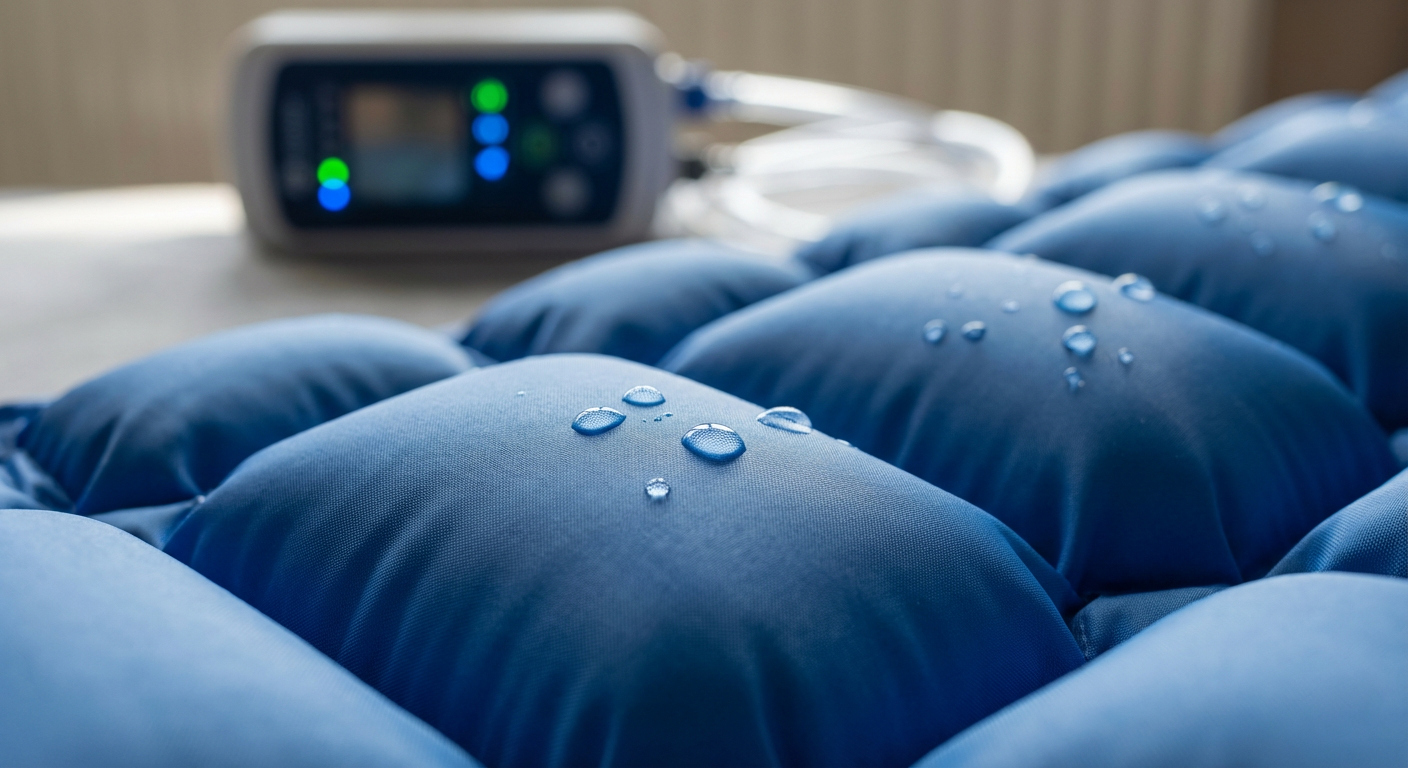
Küresel sağlık hizmetleri ortamı, COVID-19 salgını ile hızlanan, merkezi olmayan ve hasta merkezli bakıma doğru sismik bir değişim geçiriyor. Tele-sağlık, hastanın evinin konforunda teşhis, izleme ve tedavi olanağı sağlayarak bu devrimin ön saflarında yer almaktadır. Bu paradigma değişimi sadece hasta-sağlayıcı etkileşimlerini değiştirmekle kalmıyor, aynı zamanda sağlık hizmetlerini de temelden yeniden şekillendiriyor. tibbi̇ ci̇haz endüstri̇si̇. Bu trendin önemli ancak genellikle göz ardı edilen bir faydalanıcısı, yüksek kaliteli, dayanıklı tıbbi şişirilebilir ürünler pazarıdır - güvenilirliği ve performansı, üretildikleri Tıbbi Sınıf Termoplastik Poliüretan (TPU) kumaşlar gibi gelişmiş malzemelerle içsel olarak bağlantılı olan cihazlar. Bu makale, tele-sağlığın yaygınlaşması ile sofistike, ev tipi tıbbi şişme çözümlere yönelik artan ihtiyaç arasındaki simbiyotik ilişkiyi incelemektedir.
Kolaylığın ötesinde, telesağlık sürekliliği, erişilebilirliği ve proaktif müdahaleyi vurgulayarak sağlık hizmeti sunumunu yeniden tanımlamaktadır. Hastalar, gerçek zamanlı olarak veri toplayan ve ileten bağlı cihazlar tarafından desteklenen kendi sağlık koşullarını yönetme konusunda giderek daha fazla yetkilendirilmektedir. Bu değişim, evde kullanılan tıbbi ekipmanın güvenilirliğine daha önce görülmemiş bir önem kazandırıyor. Genellikle perde arkasında çalışan dayanıklı tıbbi şişirilebilir cihazlar, doğru izleme, etkili tedavi ve iyileştirilmiş hasta sonuçlarını destekleyerek bu dönüşümün temel sağlayıcıları haline geliyor.
Bölüm 1: Telehealth'in Yeni Sınırları: İzlemeden Evde Aktif Müdahaleye
Tele-sağlık, basit video konsültasyonlarının çok ötesine geçmiştir. Günümüz ekosistemi şunları kapsamaktadır:
- Uzaktan Hasta İzleme (RPM): Yaşamsal belirtilerin (örn. kan basıncı, oksijen satürasyonu) sürekli, otomatik takibi.
- Dijital Terapötikler (DTx): Hastalık yönetimi için yazılım güdümlü, kanıta dayalı terapötik müdahaleler.
- Evde Rehabilitasyon: Ameliyat veya yaralanma sonrası rehberli fizyoterapi ve iyileşme programları.
- Kronik Hastalık Yönetimi: Hipertansiyon, diyabet ve KOAH gibi durumlar için proaktif bakım.
Bu değişim, sadece "taşınabilir" değil, aynı zamanda klinik olmayan ortamlarda hastalar tarafından güvenilir, bağımsız ve tekrarlanan kullanım için tasarlanmış tıbbi cihazlar gerektirmektedir. Cihaz performansı, güvenliği ve dayanıklılığı için çıta önemli ölçüde yükselmiştir.
Bir zamanlar hastaneler ve özel kliniklerle sınırlı olan bu sistemler artık milyonlarca eve dağıtılıyor. Bu merkezsizleşme, kullanıcı uzmanlığı, çevresel koşullar ve bakım uygulamalarındaki farklılıklar gibi değişkenlikleri de beraberinde getiriyor. Bu nedenle cihazlar sezgisel, esnek ve profesyonel gözetim olmaksızın tutarlı performans sunabilmelidir.
Ayrıca tele sağlık, veri analitiği ve bulut tabanlı sağlık platformları ile giderek daha fazla entegre olmaktadır. Cihazların yalnızca mekanik olarak çalışması değil, aynı zamanda doğru ve tekrarlanabilir veri akışları sağlaması da beklenmektedir. Aşınma ve yıpranma veya malzeme yorgunluğundan kaynaklanan küçük tutarsızlıklar bile yanlış okumalara yol açarak klinik kararları ve hasta güvenini zedeleyebilir.
Bölüm 2: Tele Sağlık Ekosisteminde Dayanıklı Şişirilebilir Cihazların Önemli Rolü
Evde etkili bakım sağlayan birçok köşe taşı cihaz pnömatiktir ve hassas bir şekilde kontrol edilen hava basıncına dayanır. Etkinlikleri doğrudan şişirilebilir bileşenlerinin bütünlüğüne bağlıdır.
Otomatik Kan Basıncı Monitörleri
Her yerde bulunan en yaygın RPM cihazı. Manşetinin mesanesi, doğru ölçümler için mükemmel, uzun ömürlü hava geçirmez bir sızdırmazlık sağlamalıdır. Sızdıran bir mesane tutarsız verilere, yanlış teşhise ve hastanın hayal kırıklığına uğramasına yol açarak uzaktan izlemenin değerini azaltır.
Gelişmiş Kompresyon Terapi Cihazları
Lenfödem veya DVT önleme gibi durumlar için hastalar evde sıralı kompresyon pompaları ve kılıfları kullanırlar. Bu cihazlar binlerce şişirme/indirme döngüsü gerçekleştirir. Manşonların içindeki hava hücrelerinin dayanıklılığı çok önemlidir; arıza, tedavinin kesintiye uğraması ve potansiyel sağlık aksaklıkları anlamına gelir.
Evde Kullanılan Rehabilitasyon Ekipmanları
Ayak bileği kırıkları için pnömatik yürüme botları, şişirilebilir ateller ve ayarlanabilir kompresyon destekleri artık evde iyileşme için yaygın olarak reçete edilmektedir. Kazara çarpmalar ve düzenli temizlik de dahil olmak üzere haftalarca günlük kullanıma dayanmalıdırlar. Kumaş delinmeye ve aşınmaya karşı dayanıklı olmalı ve uygun iyileşmeyi sağlamak için tutarlı bir basınç sağlamalıdır.
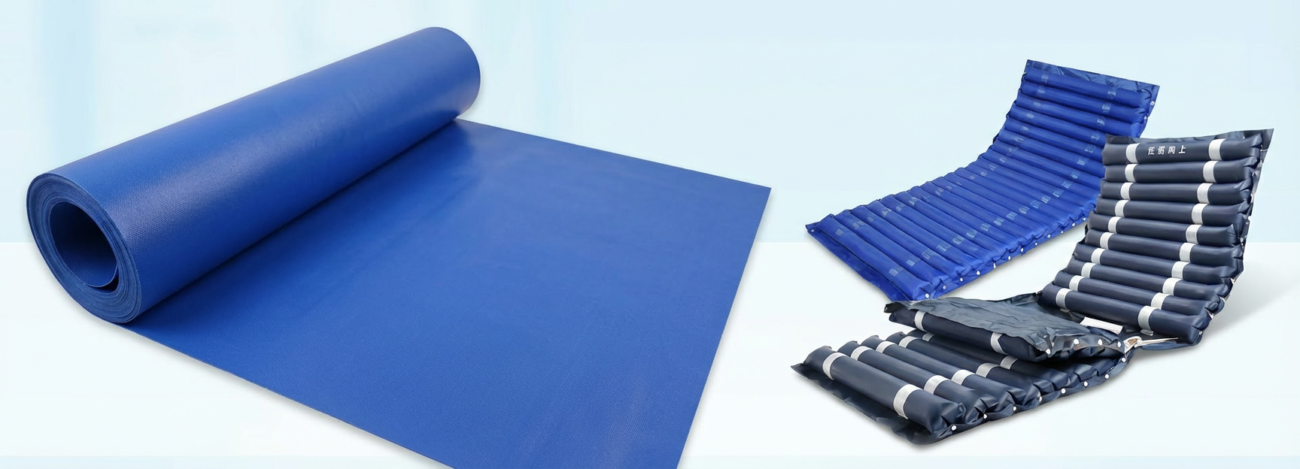
Anti-Dekübit (Basınç Azaltıcı) Yataklar
Daha fazla ameliyat sonrası ve yüksek riskli hastanın evde iyileşmesiyle birlikte, güvenilir ev kullanımı alternatif basınçlı yataklara olan talep artmıştır. Bu şilteler 7/24 çalışır ve düzinelerce hava hücresi, düşük kaliteli malzemelerle imkansız bir görev olan arıza olmadan sürekli döngüye dayanmalıdır.
Tüm bu uygulamalarda ortak bir tema ortaya çıkmaktadır: zaman içinde performans tutarlılığı. Düzenli olarak denetlenen ve bakımı yapılan hastane sınıfı ekipmanların aksine, evde kullanılan cihazların doğası gereği güvenilir olması gerekir. Herhangi bir arıza sadece tedaviyi aksatmakla kalmaz, aynı zamanda maliyetli değişimler veya acil tıbbi müdahale gerektirebilir.
Bölüm 3: Malzeme Bilimi Neden Görünmeyen Omurgadır? TPU Zorunluluğu
Evde kullanıma geçiş, cihazları daha geniş bir çevresel stres yelpazesine, daha az kontrollü kullanıma ve kolay temizlik ihtiyacına maruz bırakmaktadır. Bu durum, temel malzemenin önemini basit bir bileşenden kritik bir performans ve güvenlik belirleyicisine yükseltmektedir.
Tele Sağlık Çağının Şişirilebilir Kumaşlar Üzerindeki Talepleri:
- Geliştirilmiş Dayanıklılık: Düşmelere, sıyrıklara, sık katlanmaya ve uzman olmayan kişiler tarafından uzun süreli kullanıma dayanıklı olmalıdır.
- Zaman İçinde Garantili Hava Geçirmezlik: Tekrar tekrar temizlendiğinde veya evdeki sıcaklık/nem değişimlerine maruz kaldığında bozulmaz.
- Hasta Güvenliği ve Biyouyumluluk: Malzemeler hipoalerjenik olmalı, dezenfekte edilmesi kolay olmalı ve dışarı sızabilecek zararlı plastikleştiriciler içermemelidir (bazı PVC'lerde bilinen bir sorun).
- Hafif ve Kullanıcı Dostu: Cihazlar hantal olmamalı ve hasta bağlılığını teşvik etmelidir.
- Güvenilir Üretim: Malzeme, kumaşın kendisi kadar dayanıklı dikişler oluşturmak için yüksek mukavemetli, hermetik radyo frekansı (RF) kaynağına izin vermeli ve en yaygın arıza noktasını önlemelidir.
Tıbbi Sınıf TPU Kumaş Neden En Uygun Cevaptır?
- Üstün Uzun Süreli Esneklik ve Yorulma Direnci: Çatlama olmadan milyonlarca esneme döngüsüne dayanır, kompresyon manşonları ve şilteler için çok önemlidir.
- Mükemmel Hidrolitik Stabilite: Evde bakımda yaygın bir gereklilik olan nemden ve dezenfektanlarla tekrarlanan temizlikten kaynaklanan bozulmaya karşı dayanıklıdır.
- Yüksek Delinme ve Yırtılma Dayanımı: Kazara hasara karşı bir güvenlik marjı sağlayarak ürün ömrünü uzatır ve hasta yatırımını korur.
- Tutarlı, Akışkanlaştırıcı İçermeyen Performans: PVC'nin aksine, yüksek kaliteli TPU, zamanla gevrekleşmeye neden olabilecek göç eden plastikleştiricilere dayanmaz ve yıllarca tutarlı performans sağlar.
- Olağanüstü RF Kaynaklanabilirliği: Güvenilir bir şişirilebilir cihazın temeli olan sağlam, sızdırmaz dikişlerin oluşturulmasını sağlar.
Bu bağlamda malzeme bilimi, arka planda kalan bir husus olmaktan ziyade stratejik bir farklılaştırıcı haline gelmektedir. TPU gibi gelişmiş malzemelere yatırım yapan üreticiler, yalnızca ürün performansında değil, aynı zamanda marka güveni ve mevzuata uygunluk konularında da rekabet avantajı elde etmektedir.
Bölüm 4: Piyasa Etkileri ve İleriye Dönük Yol
Tele-sağlık ve dayanıklı tıbbi ekipmanın yakınsaması önemli bir büyüme vektörü yaratmaktadır. Cihaz üreticileri artık sadece özellikler veya fiyat üzerinden değil, giderek artan bir şekilde ürün güvenilirliği, uzun ömürlülük ve hasta sonuçları üzerinden rekabet etmektedirler - kumaş seçimleriyle önemli ölçüde tanımlanan özellikler.
B2B Talep Değişimi
Kan basıncı monitörleri, kompresyon cihazları ve rehabilitasyon ekipmanı üreticileri, garanti taleplerini azaltan ve kalite konusundaki marka itibarlarını destekleyen teknik olarak gelişmiş, sertifikalı malzemeler sağlayabilecek tedarikçiler aramaktadır.
Tıbbi Cihazların "Tüketicileştirilmesi"
Hastalar doğrudan alıcı ve kullanıcı haline geldikçe, sağlam hissettiren, temizlenmesi kolay ve "klinik" görünmeyen cihazlar talep ediyorlar. TPU kaplı kumaşlar, hasta konforunu ve estetik çekiciliği artırmak için çeşitli yüzeylerle (örneğin kadife, ilmek) tasarlanabilir.
Sürdürülebilirlik Değerlendirmesi
Dayanıklı, uzun ömürlü cihazlar tıbbi atıkları azaltır. Ürün ömrünü uzatan yüksek performanslı bir malzeme olan TPU, sağlık hizmetlerinde artan çevresel, sosyal ve yönetişim (ESG) hedefleriyle uyumludur.
Buna ek olarak, düzenleyici beklentiler de değişmektedir. Yetkililer, özellikle gözetimsiz ev kullanımına yönelik cihazlar için uzun süreli dayanıklılık ve biyouyumluluk kanıtlarına giderek daha fazla ihtiyaç duymaktadır. Bu da yüksek performanslı malzemelerin önemini daha da artırmaktadır.
Gelecek, gerçek ev kullanımı dünyası için tasarlanmış tıbbi şişme botlara ait. Bu da malzeme bilimcileri, kumaş mühendisleri ve cihaz tasarımcılarının sadece tıbbi açıdan etkili değil aynı zamanda son derece dayanıklı ve kullanıcı odaklı ürünler yaratmak için en başından itibaren işbirliği yaptığı ortaklık odaklı bir yaklaşım gerektiriyor.
Tele-sağlığın yükselişi geçici bir trend değil, bakım sunumunun kalıcı bir şekilde yeniden yapılandırılmasıdır. İnovasyon ve kalite beklentilerini tıbbi cihaz tedarik zincirine doğru yönlendiren güçlü bir katalizör görevi görmektedir. Şişme bot sektörü için bu, kaçınılmaz bir zorunluluk anlamına geliyor: temel işlevselliğin ötesine geçmek ve esneklik, güvenlik ve uzun ömürlülük için tasarlanmış malzemeleri benimsemek. Medikal Sınıf TPU kumaşlar, bu yeni dönemde standart taşıyıcı olarak ortaya çıkıyor ve hastaların evde güvenebilecekleri ve tele-sağlık sistemlerinin doğru, tutarlı veriler ve terapi için güvenebilecekleri dayanıklı medikal şişirilebilir malzemelerin oluşturulmasını sağlıyor.
Dolayısıyla bu gelişmiş malzemelere yatırım yapmak, geleceğin merkezi olmayan sağlık sisteminin temeline yatırım yapmak anlamına gelmektedir. Tele-sağlık yaygınlaşmaya devam ettikçe, dayanıklı, yüksek performanslı şişirilebilir cihazların rolü de artacaktır - sessiz ama kritik bir şekilde daha önce hiç olmadığı kadar erişilebilir, verimli ve hastayı merkeze alan yeni bir bakım modelini destekleyecektir.
 English
  Spanish
  Italian
  Korean
  French
  Japanese
  Arabic
  Portuguese
  Vietnamese
  German
  Turkish
  Belarusian