


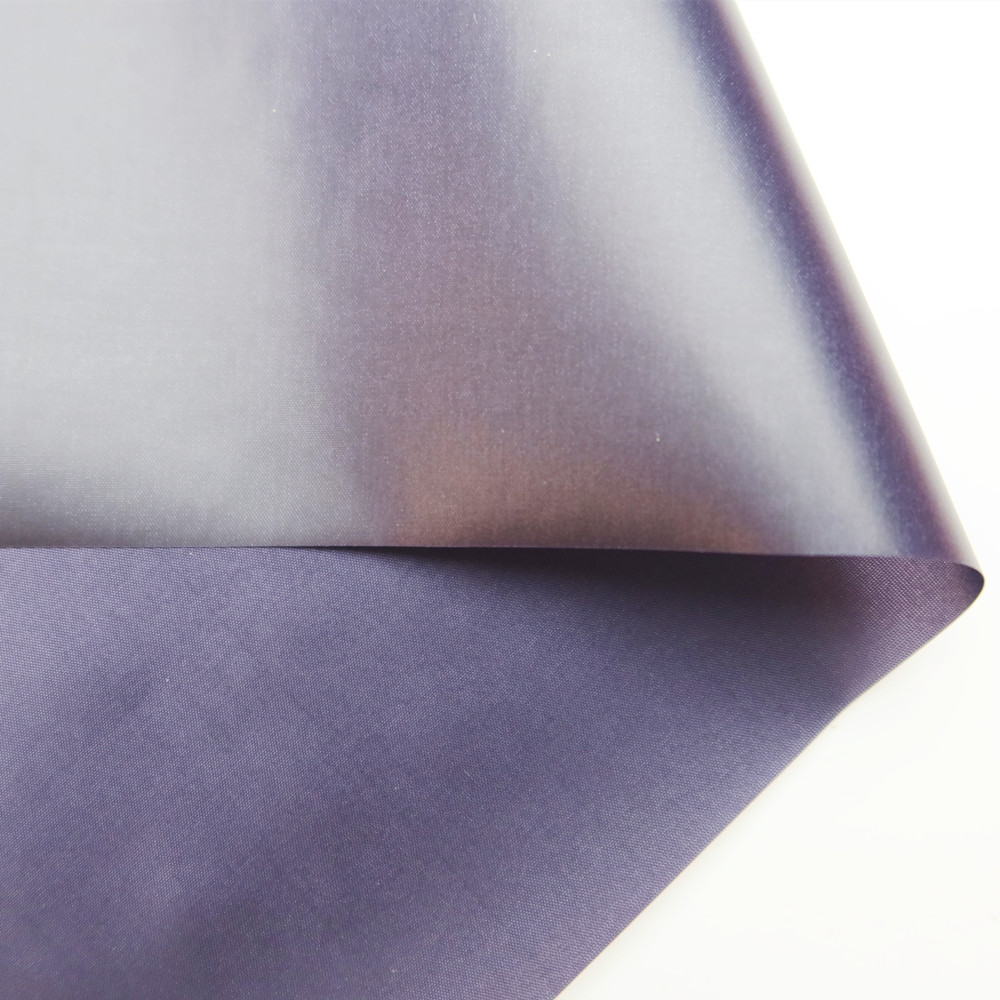
공기 주입식 의료 보조 장치는 도면상에서는 간단해 보일 수 있습니다: 형상화된 챔버, 밸브, 섬유 커버 및 고정 시스템만 있으면 됩니다. 하지만 제품이 사지 주위에 구부러지고 반복적으로 팽창하며, 착용 과정에서 다루어지거나 생산 라인에서 조립될 때 문제가 종종 발생합니다.
샘플룸에서 편안하게 느껴지는 원단은 용접하기 어려울 수 있습니다. 초기 검사에서 공기를 유지하던 챔버가 반복적인 굴곡 후에 누출이 생길 수도 있습니다. 충분한 인장 강도를 가진 소재라도 표면, 두께 또는 구조가 완성된 기기와의 상호작용을 방해한다면 여전히 적합하지 않을 수 있습니다.
이런 문제들이 바로 공기 주입식 의료 기기용 회색 TPU 코팅 나일론 루프 원단 단순한 코팅된 직물로 보기보다는 전체 복합재로 평가할 가치가 있습니다. 이 소재는 나일론 테리 루프 백킹과 TPU 멤브레인을 결합해 부드러운 직물 표면과 기밀층을 하나의 구조로 만들어줍니다.
공압 압박 슬리브, 공기 주입형 보행 부츠, 정형외과 보조기 및 재활 제품을 개발하는 제조업체들에게 중요한 것은 직물이 제작 및 사용 과정에서 어떻게 행동할지를 이해하는 것입니다—단순히 도착했을 때의 모양이나 감촉만이 아니라요.
첫 번째 질문: 직물의 어느 면이 역할을 할까요?
복합 직물의 두 면은 서로 다른 목적을 수행합니다.
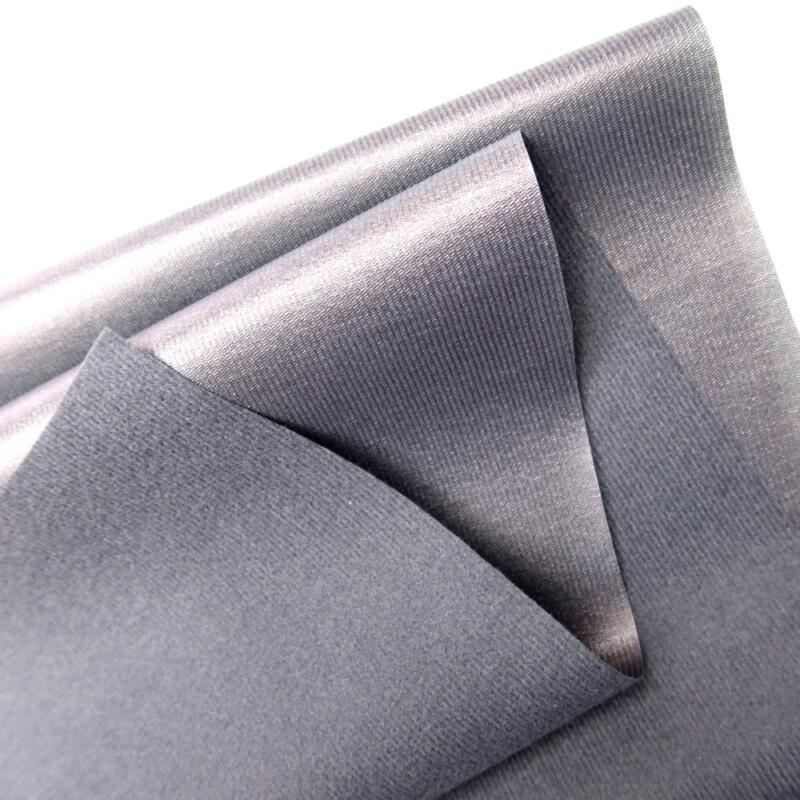
나일론 루프 백킹은 직물 표면을 제공합니다. 돌출된 루프 덕분에 매끄러운 폴리머 표면보다 더 부드러운 느낌을 주며, 제품이 신체나 다른 부품과 맞닿는 부분에 직물 인터페이스가 필요할 때 유용합니다. 루프 구조는 소재의 두께, 취급성 및 유연성에도 영향을 줍니다.
TPU 멤브레인은 차단 기능을 제공합니다. 공기 주입식 제품에서는 챔버 내부의 공기를 가두는 데 도움을 줍니다. 멤브레인은 손상되지 않아야 하며, 복합재는 이음새, 접힘 및 고정 지점 주변에서도 무결성을 유지해야 합니다.
제품 설계 과정에서 이러한 기능 분담이 중요합니다. 직물이 잘못된 면을 사용자 쪽으로 배치하면 의도된 접촉 특성이 사라질 수 있습니다. TPU 면이 조립 과정에서 올바르게 정렬되지 않으면 접합 과정에서 필요한 밀폐 효과를 얻지 못할 수 있습니다.
재단 작업에 들어가기 전에 디자인팀은 도면과 작업 지침에 직물의 방향을 기록해야 합니다. 이는 작은 세부사항이지만 샘플링과 생산 과정에서 피할 수 있는 실수를 막을 수 있습니다.
편안한 표면만이 요구사항의 일부일 뿐인 이유
나일론 테리 루프 원단은 부드럽고 질감 있는 백킹을 제공해 신체에 닿는 제품에 적합할 수 있습니다. 이는 공기 주입형 보행 부츠, 사지 보조기 및 공압 슬리브와 같은 제품에서 소재가 기기와 사용자 사이의 인터페이스를 구성하는 데 유용합니다.
그러나 편안함은 단순히 부드러움만으로 판단할 수 있는 성질이 아닙니다.
공기 주입형 슬리브는 평평하게 놓았을 때 부드럽게 느껴질 수 있지만 팽창하면 여전히 불편해질 수 있습니다. 챔버 배열, 핏, 압력 분포, 이음새 위치 및 제품 고정 방식 모두 사용자의 경험에 영향을 미칩니다. 돌출된 직물 표면은 잘못 설계된 챔버나 부적절한 핏을 보완할 수 없습니다.
따라서 백킹은 대표적인 조립 상태에서 평가되어야 합니다. 예를 들어, 프로토타입 슬리브는 실제 챔버 배열, 안감 및 고정 부품과 함께 점검되어야 합니다. 위치 보조기는 설계된 하중 조건 아래에서 평가되어야 합니다.
루프 백킹의 목적은 소재 인터페이스에 기여하는 것입니다. 이를 완성된 기기가 자극, 압력 손상 또는 기타 임상적 문제를 예방한다는 증거로 여기서는 안됩니다.
TPU 두께: 숫자만으로 선택하지 마세요
이 직물의 지정된 TPU 멤브레인 두께는 맞춤형으로 설정할 수 있으며, 일반적인 범위는 0.08 mm에서 0.25 mm까지.
더 많은 소재가 자동으로 더 나은 내구성을 의미한다고 생각해 가장 두꺼운 옵션을 선택하고 싶을 수 있습니다. 하지만 이런 접근법은 상충되는 요소를 초래할 수 있습니다. 멤브레인 두께를 늘리면 복합재의 유연성, 무게 및 취급성이 바뀝니다. 또한 용접 과정과 급격한 굴곡 주변에서 소재의 거동에도 영향을 줄 수 있습니다.
더 얇은 멤브레인은 더 유연한 구조를 만들 수 있지만, 여전히 제품의 압력, 취급 및 내구성 요구사항을 견뎌야 합니다. 더 두꺼운 멤브레인은 일부 설계에 적합할 수 있지만, 실제 조립 과정에서 그 적합성을 입증해야 합니다.
선택 과정은 제품의 작동 조건부터 시작해야 합니다:
- 챔버가 어떤 압력 범위를 경험할까요?
- 제품이 얼마나 자주 팽창하고 비축할까요?
- 직물이 보관 중에 날카롭게 접힐까요?
- 설계에서 급격한 곡선이나 좁은 용접 이음새가 필요할까요?
- 제품이 의류, 침구 또는 다른 부품과 마찰을 겪을까요?
- 완성된 제품의 무게와 유연성 한계는 무엇인가요?
이러한 요구사항이 명확해지면 팀은 샘플과 대표적인 테스트를 통해 후보 두께를 비교할 수 있습니다. 목표는 정의된 목적을 수행하지 않는 소재를 추가하지 않고 제품 사양을 충족하는 구조를 선택하는 것입니다.
이음새는 종종 진짜 테스트가 시작되는 곳입니다
원단 샘플이 기밀성 검사를 통과해도 신뢰할 만한 공기 주입식 제품을 만들지 못할 수 있습니다. 그 이유는 간단합니다: 완성된 챔버에는 평평한 샘플에는 없는 이음새, 모서리, 밸브 연결부 등이 포함되기 때문입니다.
TPU 코팅 원단은 용접에 적합할 수 있지만, 접합 방법과 설정은 실제 소재 구조와 일치해야 합니다. 직물과 제조 장비에 적합한 경우 고주파 용접이나 열풍 용접을 고려할 수 있습니다. TPU 두께만으로는 적합한 공정을 선택할 수 없습니다.
샘플링 과정에서 팀은 몇 가지 세부사항에 주의해야 합니다.
이음새의 형상: 직선 이음새가 반드시 모서리, 곡선 또는 중첩된 이음새를 대표하는 것은 아닙니다. 시험에는 생산 설계에 나타나는 요소들도 포함되어야 합니다.
용접의 외관: 주름, 균일하지 않은 접착 또는 눈에 띄는 손상은 공정 조정이 필요하다는 신호일 수 있습니다. 외관은 검사에 유용하지만 강도와 누출 테스트를 대체하지는 않습니다.
누출: 이음새 이후 챔버를 테스트해야 합니다. 테스트 압력, 지속 시간 및 허용 한계는 제품 사양에 따라 설정되어야 합니다.
반복적인 하중: 초기 테스트에서 견고했던 이음새가 굽힘이나 반복적인 팽창 후 다르게 행동할 수 있습니다. 이러한 조건이 정상적인 사용의 일부라면 평가에 포함되어야 합니다.
재봉은 특별한 주의가 필요합니다. 스트랩, 커버 또는 기타 부품에 유용할 수 있지만, 기밀 챔버를 통해 바느질하면 누출 경로가 생길 수 있습니다. 설계와 조립 순서는 재봉이 허용되는 위치와 공기 차단층이 어떻게 보호되는지를 명확히 해야 합니다.
한 기기에서 잘 작동하는 소재가 다른 기기에 바로 적용되지 않을 수 있습니다
같은 회색 TPU 코팅 나일론 루프 구조가 여러 의료용 공기 주입식 제품에 고려될 수 있습니다. 그렇다고 해서 하나의 자격 결과가 모든 응용 분야를 커버하는 것은 아닙니다.
공압 압박 슬리브
간헐적 공압 압박 슬리브는 제어된 팽창 주기를 경험합니다. 챔버 형태, 압력 순서 및 이음새 배열은 직물에 가해지는 하중에 영향을 줍니다.
이런 종류의 제품에 대한 평가는 챔버 누출, 이음새의 무결성 및 지정된 사이클 프로필 내에서의 거동을 포함해야 합니다. 직물의 유연성과 직물 표면 역시 전체 슬리브 내에서 고려되어야 합니다.
공기 주입형 보행 부츠 및 정형외과 보조기
Walking boots and orthopedic supports may experience bending, localized loading and contact with other parts of the device. The material must fit the intended geometry without creating excessive bulk or interfering with fastening components.
Prototype testing should focus on the areas where the chamber bends, where seams meet and where the material contacts adjacent structures. Abrasion and repeated flexing may be relevant, depending on the design.
Positioning cushions and rehabilitation supports
Positioning products may remain under load for extended periods. Their requirements can differ from those of products that undergo frequent inflation cycles.
The design team should consider shape retention, pressure stability, seam loading and the behavior of the composite during prolonged use. The appropriate test conditions depend on the intended product and its performance specification.
These examples illustrate why a material should be qualified against a defined use case. A successful trial in one product provides useful information, but it does not automatically establish suitability for another.
What Should Be Checked Before Approving a Sample?
Sample approval should establish whether the fabric is suitable for the next stage of development. A visual check alone is not enough, particularly when the material will form part of an airtight chamber.
A practical review can include the following:
| Check | What the team should establish |
|---|---|
| Construction and orientation | Confirm the nylon loop backing, TPU membrane and intended fabric orientation |
| Thickness and width | Check the supplied material against the agreed specification |
| Surface condition | Inspect for visible defects, contamination and irregularities |
| Bonding | Review the integrity of the TPU-to-textile composite |
| 기계적 특성 | Compare tensile, tear and other relevant results with the project requirements |
| 기밀성 | Evaluate the barrier using an agreed test method |
| Welding trial | Confirm that representative joints can be produced using the intended equipment |
| Seam performance | Test strength and leakage on actual joint designs |
| Flex or cycle testing | Assess the material and assembly under representative repeated-use conditions |
| Documentation | Confirm that test reports and material records relate to the specific construction being evaluated |
The supplier identifies raw material inspection, in-process checks for coating uniformity and bonding, and final testing for airtightness, peel strength and durability as part of its quality assurance process. For a development project, the manufacturer should confirm which methods and acceptance limits apply to the proposed material.
It is also useful to retain an approved reference sample. If a later shipment looks or feels different, the reference provides a basis for comparison. Any changes to the textile, TPU formulation, thickness or manufacturing process should be reviewed when they could affect the agreed performance.
Customization Should Follow the Product Design
The fabric is available in standard grey, with custom colors and widths available upon request. TPU thickness can also be specified within the stated typical range, and the composite structure may be customized with single- or double-sided TPU coating or different loop densities.
These options are useful when the design calls for a particular surface, barrier arrangement or cutting layout. But customization should begin with a defined requirement.
For example, changing the loop density may alter the surface feel and thickness of the textile backing. Changing the TPU thickness may affect flexibility and welding behavior. A different width may improve cutting efficiency, but the proposed roll size still needs to suit the manufacturing process.
A sensible development sequence is to settle the product geometry and functional requirements first, then identify which material variables need adjustment. That keeps customization tied to a measurable design need instead of creating unnecessary variations.
Medical Use Requires More Than a Fabric Specification
A material intended for inflatable medical equipment must be considered in the context of the finished device and its intended use.
The description “medical” does not, on its own, establish that a fabric is suitable for every type of patient contact or that a finished device meets regulatory requirements. Biological evaluation, cleaning compatibility, sterilization effects, chemical exposure and other requirements may apply depending on the product and market.
If the fabric will contact the patient, the device manufacturer should determine what evidence is required for the specific contact type and duration. Testing may need to consider the material as processed and incorporated into the finished product, rather than relying solely on the properties of an unused fabric sample.
The same distinction applies to therapeutic claims. A fabric can contribute to the construction of a pneumatic compression sleeve, but it does not establish the safety or effectiveness of the complete therapy device. Those questions depend on the device design, controls, intended use and applicable evaluation.
From Sample Approval to Production
A successful prototype is an important milestone, but it is not the end of material qualification.
Before moving to production, the engineering and quality teams should agree on the approved fabric construction, critical dimensions, relevant performance limits and joining parameters. The production trial should use representative equipment and assembly methods so that the results reflect the intended manufacturing process.
If the product depends on airtight chambers, quality checks should include the assembled structure—not just incoming fabric inspection. The inspection plan should identify which features are critical, how often they are checked and what action is required when a result falls outside the agreed limits.
For repeat orders, the team should also confirm that the supplier can maintain the approved construction and provide the necessary documentation. Traceability and change control become particularly important when the fabric is a functional part of the device rather than a decorative covering.
Grey TPU Coated Nylon Loop Fabric brings together a nylon terry loop backing and a TPU membrane for inflatable medical product designs that need a textile surface and an air-retaining barrier. It may be considered for pneumatic compression sleeves, inflatable orthopedic supports, walking boots and rehabilitation equipment.
The important questions emerge when the material becomes part of the product: Does the backing suit the intended contact surface? Can the membrane maintain the required barrier performance? Can the fabric be welded consistently? Will the seams and composite withstand the product’s expected loading and use cycle?
Answering those questions requires more than choosing a thickness or reviewing a data sheet. A representative prototype, documented fabrication trial and application-specific testing give the development team a sound basis for deciding whether the fabric is ready for production.
 English
  Spanish
  Italian
  Korean
  French
  Japanese
  Arabic
  Portuguese
  Vietnamese
  German
  Turkish
  Belarusian