コンテンツへスキップ サイドバーへスキップ フッターへスキップ

医療機器に最適な止血帯生地はどれですか?

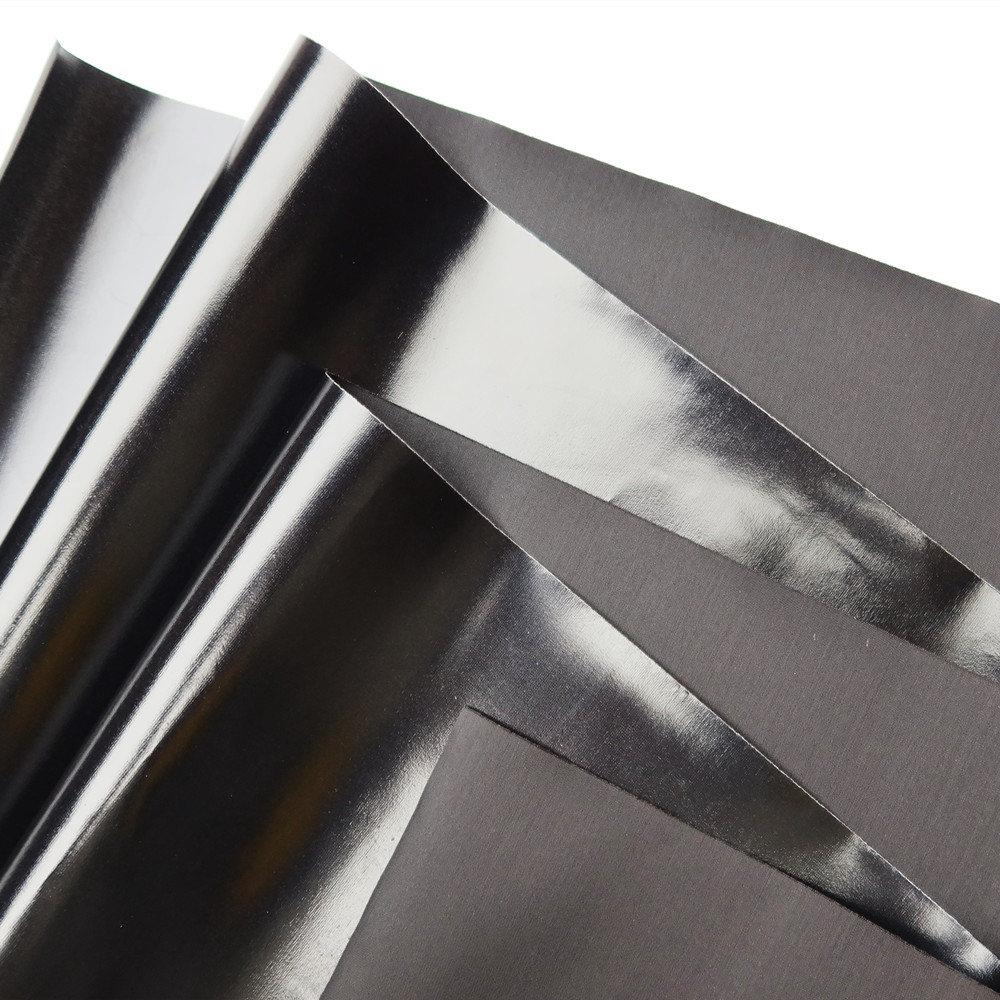
外科用止血帯のTPUコーティング70Dナイロン生地
医療機器に最適な止血帯生地はどれですか?

A pneumatic tourniquet is only as reliable as the materials used to manufacture it. While pressure regulators, pumps, and control systems often receive the most attention, the fabric that forms the tourniquet cuff plays an equally important role in ensuring safe and consistent performance. It must hold air pressure without leakage, maintain flexibility through repeated inflation cycles, and withstand frequent cleaning and disinfection without compromising structural integrity.

For medical device manufacturers, selecting the right tourniquet fabric is more than a material decision—it directly affects product quality, production efficiency, and clinical performance. A poorly designed fabric may lead to air leakage, seam failure, coating delamination, or inconsistent pressure distribution, all of which can shorten product life and increase maintenance costs.

As expectations for reusable medical devices continue to rise, manufacturers are moving beyond traditional coated materials in search of fabrics that offer better durability, stronger welding performance, and improved long-term reliability. TPU-coated fabrics have become a preferred option for many surgical tourniquet applications because they combine excellent airtightness with the flexibility required for repeated inflation and deflation.

This article explains the key factors that determine tourniquet fabric performance, compares TPU and PVC materials, and explores how different fabric constructions can influence the quality and service life of pneumatic tourniquet cuffs.

What Makes High-Quality Tourniquet Fabric?

Not all coated fabrics are suitable for medical inflatable devices. Surgical tourniquet cuffs operate under controlled air pressure and are expected to perform consistently throughout thousands of inflation cycles. The fabric must meet demanding mechanical and manufacturing requirements while remaining comfortable for patient contact.

When evaluating medical tourniquet fabric, manufacturers typically focus on five critical performance areas.

Airtight Performance

Maintaining stable air pressure is the primary function of a pneumatic tourniquet cuff. Even minor air leakage can reduce pressure accuracy and affect surgical procedures.

A high-quality airtight medical fabric should create an effective barrier that minimizes gas permeability while maintaining flexibility. Stable air retention allows the cuff to deliver precise pressure throughout the procedure without requiring unnecessary pressure adjustments.

Airtight performance depends on several factors, including coating quality, coating thickness, base fabric density, and seam integrity after welding. If any of these elements are inconsistent, the risk of pressure loss increases.

For reusable surgical tourniquets, long-term airtightness is especially important because the cuff experiences repeated inflation and deflation throughout its service life.

Mechanical Strength

Medical tourniquet cuffs are subjected to repeated mechanical stress during daily use. Every inflation cycle stretches the fabric, while patient movement and handling create additional tension on the material.

A durable medical coated fabric should maintain its structural stability under these conditions without permanent deformation.

Manufacturers generally evaluate properties such as:

  • Tensile strength
  • Elongation
  • Burst resistance
  • Dimensional stability

Strong mechanical performance reduces the likelihood of unexpected material failure and helps maintain consistent cuff performance over time.

Tear Resistance

Small cuts or punctures can quickly become larger tears when a tourniquet cuff is repeatedly inflated.

For this reason, tear resistance is an important indicator of material durability.

The woven nylon substrate provides the primary structural support, while the TPU coating helps distribute stress across the fabric surface. This combination allows the material to better resist damage caused by repeated bending, transportation, and routine handling.

Improved tear resistance also reduces maintenance costs by extending the service life of reusable cuffs.

Flexibility

Unlike rigid medical components, inflatable cuffs must conform comfortably to different limb sizes while maintaining uniform pressure distribution.

A flexible coating allows the fabric to bend naturally without cracking or developing surface fatigue.

Repeated inflation should not cause the coating to harden, wrinkle, or lose elasticity. Instead, the material should quickly recover to its original shape after every inflation cycle.

This characteristic is particularly important for reusable products that may be inflated thousands of times during their operating life.

Surface Stability

The coating surface influences both manufacturing quality and product appearance.

An uneven coating thickness can create difficulties during RF welding, resulting in inconsistent seam strength or localized weak points.

Smooth, uniform coatings also contribute to better dimensional consistency during automated cutting and assembly.

For manufacturers operating high-volume production lines, stable surface quality improves manufacturing efficiency while reducing material waste.

止血帯生地
止血帯生地

TPU vs PVC: Which Tourniquet Fabric Performs Better?

Both TPU and PVC have been widely used in coated fabrics for inflatable medical devices. Although each material offers advantages, TPU has become increasingly popular among medical device manufacturers because of its balanced mechanical properties and superior long-term performance.

The following comparison highlights the main differences between the two materials.

PropertyTPU Tourniquet FabricPVC Coated Fabric
Airtight PerformanceExcellentGood
FlexibilityExcellent中程度
RF Welding CompatibilityExcellentGood
Fold ResistanceExcellent中程度
Hydrolysis ResistanceExcellentFair
Long-Term Elastic RecoveryExcellent中程度
Environmental ComplianceREACH and RoHS FriendlyDepends on Plasticizer Formulation

Although PVC remains a cost-effective solution for some disposable products, many reusable medical devices now favor TPU because it offers better durability and more stable performance over extended service periods.

Long-Term Flexibility

One of TPU’s most significant advantages is its ability to maintain flexibility after repeated use.

Tourniquet cuffs are constantly folded, inflated, deflated, cleaned, and stored. Materials that gradually become stiff may reduce patient comfort and increase the risk of surface cracking.

TPU retains its elasticity across a wide range of operating conditions, allowing the cuff to maintain consistent performance even after prolonged use.

Superior RF Welding Performance

Most pneumatic tourniquet cuffs are manufactured using radio frequency (RF) welding or heat sealing.

The quality of the welded seam directly affects airtight performance.

TPU materials produce strong molecular bonds during RF welding, creating seams capable of withstanding repeated pressure changes without significant degradation.

Reliable welding also simplifies production by reducing the need for additional adhesives and improving manufacturing consistency.

Better Resistance to Hydrolysis

Medical devices are frequently exposed to humid environments, cleaning solutions, and disinfectants.

Over time, moisture can affect some polymer materials, leading to reduced flexibility or coating degradation.

Medical-grade TPU formulations are engineered to provide improved hydrolysis resistance, helping reusable tourniquet cuffs maintain their physical properties during long-term clinical use.

This characteristic is particularly valuable for hospitals and surgical centers where products are cleaned and disinfected after every procedure.

Choosing the Right Fabric Construction

The coating material is only one part of a high-performance tourniquet fabric. The base fabric construction also influences strength, flexibility, weight, and manufacturing performance.

Selecting the appropriate combination depends on the intended application, expected service life, and product design.

70D TPU Coated Nylon Fabric

Lightweight tourniquet cuffs often use 70D TPU coated nylon fabric because it provides an excellent balance between flexibility and mechanical strength.

Its lower fabric weight allows manufacturers to develop cuffs that conform comfortably to different limb shapes while maintaining reliable airtight performance.

Common applications include:

  • Pediatric tourniquet cuffs
  • Lightweight surgical cuffs
  • Portable medical devices
  • Compact inflatable medical products

The fine nylon construction also supports smooth RF welding, making it suitable for precision medical manufacturing.

210D TPU Coated Nylon Fabric

For reusable products that experience frequent inflation cycles, 210D TPU coated nylon fabric offers higher tensile strength and improved resistance to mechanical wear.

The stronger woven substrate provides greater dimensional stability, making it suitable for demanding healthcare environments where durability is a priority.

Typical applications include:

  • Reusable pneumatic tourniquet cuffs
  • Hospital surgical systems
  • Orthopedic tourniquets
  • Long-term clinical equipment

Compared with lighter constructions, 210D fabric offers improved resistance to tearing and repeated handling while maintaining the flexibility required for inflatable medical devices.

Double-Sided TPU Coated Fabric

Some manufacturers choose double-sided TPU coated nylon fabric to further improve sealing performance and product durability.

Applying TPU coatings to both sides of the fabric provides several technical advantages.

First, double-sided coatings create a more balanced structure, reducing stress concentration during repeated inflation and deflation.

Second, they improve compatibility with RF welding by providing consistent bonding surfaces on both sides of the material.

Finally, the additional coating layer enhances abrasion resistance, helping extend product lifespan in demanding medical environments.

For reusable surgical tourniquet systems designed for long-term clinical use, double-sided TPU construction has become an increasingly popular choice because it combines reliable airtight performance with excellent manufacturing consistency.

How Manufacturers Evaluate Tourniquet Fabric Quality

Selecting a tourniquet fabric involves more than reviewing a product datasheet. Medical device manufacturers need reliable evidence that the material can maintain consistent performance throughout production and clinical use. To achieve this, qualified suppliers conduct a series of laboratory and production tests before a fabric is approved for surgical tourniquet applications.

These evaluations help manufacturers compare different materials, identify potential production issues, and ensure the finished cuff meets performance expectations.

Air Leakage Testing

A pneumatic tourniquet cuff must maintain stable pressure throughout a surgical procedure. Even slight air leakage can reduce pressure accuracy, affect occlusion performance, and increase the need for pressure adjustments.

Air leakage testing measures how effectively the fabric and welded seams retain air under controlled conditions. After the cuff or fabric sample is inflated to a specified pressure, technicians monitor pressure loss over a predetermined period.

Consistent airtight performance depends on several factors:

  • TPU coating quality
  • Coating thickness consistency
  • Base fabric stability
  • RF welding quality
  • Seam design

A fabric that demonstrates stable air retention provides manufacturers with greater confidence during product development and helps reduce the risk of field failures.

Peel Strength Testing

Medical inflatable fabrics are composite materials consisting of a textile substrate and one or more TPU coating layers. The bond between these layers must remain stable throughout the product’s service life.

Peel strength testing evaluates the adhesion between the coating and the base fabric. Weak adhesion may lead to coating separation after repeated inflation, folding, or cleaning.

High peel strength offers several advantages:

  • Better long-term durability
  • Improved resistance to delamination
  • More reliable welding performance
  • Longer service life for reusable cuffs

For reusable pneumatic tourniquets, maintaining coating integrity is just as important as maintaining airtight performance.

Fatigue Resistance

A reusable surgical tourniquet may experience thousands of inflation and deflation cycles during its operating life.

Repeated expansion places continuous stress on both the fabric and welded seams. Materials with poor fatigue resistance may gradually lose elasticity, develop wrinkles, or show signs of coating damage.

Fatigue testing simulates long-term use by repeatedly inflating and deflating test samples under controlled conditions.

Manufacturers typically evaluate whether the fabric maintains:

  • Air retention
  • Surface smoothness
  • Elastic recovery
  • Seam integrity
  • Mechanical strength

High fatigue resistance contributes directly to longer product life and lower maintenance costs.

Surface Uniformity

The appearance of a coated fabric is more than a cosmetic consideration.

Uneven coating thickness can create problems during automated manufacturing, particularly when RF welding or precision cutting is involved.

A uniform coating helps ensure:

  • Stable welding quality
  • Consistent seam strength
  • Accurate cutting dimensions
  • Improved production efficiency

For large-scale medical device manufacturing, material consistency is essential for reducing scrap rates and maintaining product quality.

Manufacturing Processes Compatible with TPU Tourniquet Fabric

Modern medical device production relies on manufacturing processes that deliver consistent quality while supporting efficient production.

TPU-coated fabrics are compatible with several fabrication methods commonly used for pneumatic tourniquet cuffs.

RF Welding

Radio frequency welding is the preferred process for many inflatable medical products.

During RF welding, high-frequency electromagnetic energy heats the TPU coating, allowing adjacent layers to fuse into a strong, airtight seam.

Compared with adhesive bonding, RF welding offers several advantages:

  • Strong and consistent seam strength
  • Excellent airtight performance
  • Faster production speed
  • Clean manufacturing process
  • Reduced risk of adhesive failure

For double-sided TPU-coated fabrics, RF welding can produce highly reliable joints suitable for reusable medical devices.

Heat Sealing

Heat sealing is another widely used joining method.

By applying controlled temperature and pressure, manufacturers can create durable bonds between TPU-coated surfaces.

Heat sealing equipment is often used for products with simpler structures or lower production volumes.

Proper temperature control is essential because excessive heat may damage the coating, while insufficient heat can reduce bond strength.

Ultrasonic Welding

Some medical device manufacturers use ultrasonic welding for selected components.

Ultrasonic energy generates localized heat through vibration, allowing thermoplastic materials to bond without prolonged heating.

Although RF welding remains the primary process for pneumatic tourniquet cuffs, ultrasonic welding may be suitable for certain accessory components or specialized product designs.

Precision Cutting

Accurate cutting is equally important during tourniquet production.

Manufacturers may use:

  • Die cutting
  • CNC cutting
  • Laser cutting

High-quality TPU-coated fabrics maintain dimensional stability during these processes, reducing edge deformation and improving assembly accuracy.

Stable fabric construction also minimizes material waste during mass production.

Medical Standards to Consider When Selecting Tourniquet Fabric

Medical tourniquet fabrics must satisfy both product performance requirements and applicable regulatory expectations.

Although specific requirements vary by market and product classification, manufacturers often consider the following standards during material selection.

ISO 10993

ISO 10993 provides guidance for evaluating the biological safety of materials used in medical devices.

When tourniquet cuffs come into direct or indirect contact with patients, manufacturers typically assess whether the selected materials are suitable for the intended application.

REACH and RoHS

For products exported to international markets, environmental compliance has become increasingly important.

REACH focuses on the safe use of chemical substances, while RoHS restricts certain hazardous materials commonly found in industrial products.

Using compliant raw materials helps simplify regulatory approval and supports global market access.

Latex-Free Materials

Latex allergies remain a concern in healthcare environments.

Many hospitals now prefer latex-free medical products to reduce the risk of allergic reactions among both patients and healthcare professionals.

TPU-coated fabrics provide manufacturers with a practical alternative when developing latex-free pneumatic tourniquet systems.

Common Problems with Tourniquet Fabric

Even well-designed tourniquet cuffs may experience performance issues if inappropriate materials or manufacturing methods are used.

Understanding these common problems helps manufacturers improve product reliability and reduce warranty claims.

Why Does a Tourniquet Cuff Lose Pressure?

Pressure loss is usually associated with one or more of the following factors:

  • Inadequate airtight coating
  • Poor RF welding quality
  • Damaged seams
  • Microscopic pinholes
  • Aging materials

Using high-quality TPU-coated fabrics with consistent coating thickness significantly reduces these risks.

Why Does TPU Delaminate?

Delamination occurs when the coating separates from the base fabric.

Possible causes include:

  • Poor coating adhesion
  • Low-quality raw materials
  • Excessive mechanical stress
  • Improper processing conditions

Selecting fabrics with high peel strength helps prevent long-term coating separation.

Why Does RF Welding Fail?

Weak welded seams may result from:

  • Uneven coating thickness
  • Incompatible material formulations
  • Incorrect welding parameters
  • Surface contamination

Consistent TPU coating quality allows manufacturers to achieve more reliable welding performance and reduce production defects.

Questions to Ask Before Purchasing Tourniquet Fabric

Before selecting a fabric supplier, manufacturers should evaluate more than price alone.

Important questions include:

  • Is the TPU coating designed for medical applications?
  • Does the fabric support RF welding and heat sealing?
  • Can it maintain airtight performance after repeated inflation cycles?
  • Is customized thickness available?
  • Are different nylon constructions, such as 70D and 210D, available?
  • Can double-sided TPU coating be supplied?
  • Are customized colors and surface finishes supported?
  • What quality control procedures are used during production?
  • Can the supplier provide technical documentation and testing data?
  • Is OEM or custom product development available?

The answers to these questions provide valuable insight into a supplier’s technical capabilities and long-term reliability.

Choosing the Right Tourniquet Fabric Manufacturing Partner

A reliable material supplier contributes more than coated fabric. Technical expertise, production consistency, and customization capabilities all play important roles in successful medical device development.

When evaluating potential partners, manufacturers should consider several factors.

First, consistent coating quality is essential. Uniform TPU application improves airtight performance, welding consistency, and product appearance.

Second, production experience matters. Suppliers familiar with inflatable medical products understand the performance requirements of pneumatic tourniquet cuffs and can recommend suitable fabric constructions for different applications.

Third, customization capability allows manufacturers to optimize product performance. Fabric weight, TPU coating thickness, color, surface finish, and reinforcement structure can all be adjusted according to specific product requirements.

Finally, a comprehensive quality management system helps ensure stable production from batch to batch. Consistent material properties reduce manufacturing variation and improve the reliability of finished medical devices.

The performance of a pneumatic tourniquet depends on much more than its pressure control system. The fabric determines how effectively the cuff retains air, withstands repeated inflation, and performs throughout years of clinical use.

When selecting tourniquet fabric, manufacturers should evaluate airtight performance, mechanical strength, flexibility, welding compatibility, and long-term durability rather than focusing solely on material cost.

Compared with traditional PVC-coated materials, TPU-coated nylon fabrics offer clear advantages for many reusable medical devices, including superior flexibility, stronger RF welding performance, improved fatigue resistance, and better long-term reliability. Different fabric constructions, such as 70D TPU-coated nylon, 210D TPU-coated nylonそして double-sided TPU-coated fabrics, allow manufacturers to match material performance with specific product requirements.

By combining high-quality materials with rigorous testing and reliable manufacturing processes, medical device companies can develop pneumatic tourniquet cuffs that deliver consistent pressure control, extended service life, and dependable performance in demanding clinical environments.