


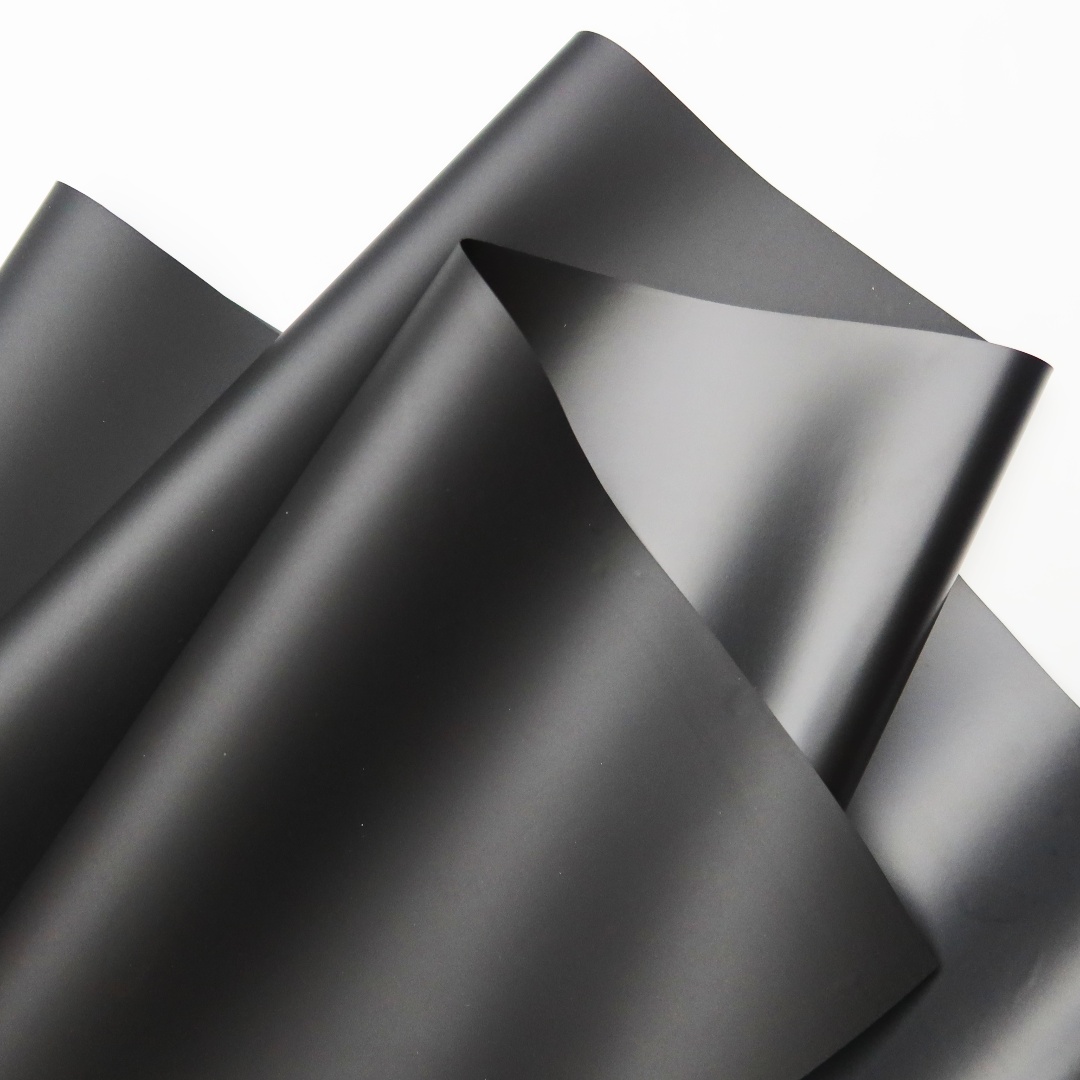
すべての空気式医療機器には、一般には注目されにくいものの、製品の安全性、圧力安定性、使用寿命に直接影響を及ぼす部品があります。それは柔軟なエアチャンバーです。.
それが外科用止血帯カフ、順次圧迫スリーブ、膨張式リハビリテーション装具、あるいは緊急用副子であっても、装置全体の性能は一つのシンプルな要件に依存しています: チャンバーは設計通りに正確に圧力を保持しなければなりません。.
わずかな圧力損失は実験室での試験ではさほど重要でないように思えますが、臨床現場では圧迫精度、患者の快適さ、治療の一貫性に影響を及ぼす可能性があります。メーカーにとって、わずかな漏れ率でも追加の品質検査、製品回収、保証請求、あるいは高コストな再設計につながる恐れがあります。.
これらの問題の多くは空気式システム自体に起因するものではありません。それらはまず、膨張式チャンバーを作るために選ばれた材料から始まります。.
長年にわたり、メーカーは汎用TPUフィルム、PVCフィルム、またはコーティングされた布地を頼りにしてきました。これらは入手しやすく加工も容易だったからです。こうした材料は軽度な産業用途では十分に機能するかもしれませんが、医療機器はまったく異なる期待値のもとで運用されます。すべての生産ロットは一貫性を持たなければなりません。すべての溶着縫い目は繰り返しの膨張サイクルに耐えなければなりません。すべての材料は洗浄、輸送、保管、そして長期使用後も性能を維持し続けなければなりません。.
そのため、医療機器メーカーは徐々に以下へ移行してきました: 医療グレードのTPUフィルム, 特に、柔軟性と構造的安定性のバランスがより優れた厚みのある構造です。.
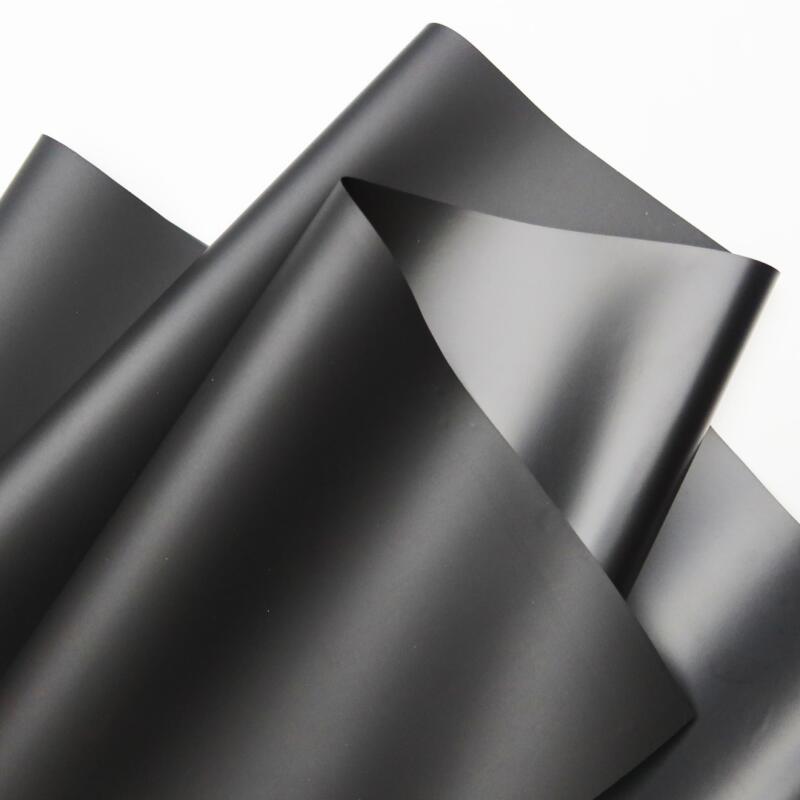
利用可能な厚みオプションの中でも、, 0.25mmブラック医療グレードTPUフィルム は、外科用止血帯カフやその他の空気式医療製品において最も広く採用される選択肢の一つとなりました。これは厚いフィルムが常に強度が高いからでも、黒が単に好まれる色だからでもありません。この選択の背景には、工学的な考慮、製造効率、そして長期的な信頼性が複合的に絡んでいます。.
本記事では、なぜ0.25mm医療グレードのブラックTPUフィルムが膨張式医療チャンバーの最適な材料となったのか、標準的なTPUフィルムとどのように性能が異なるのか、またメーカーがフィルムサプライヤーを選定する前に評価すべき点について解説します。.
材料選定はほとんどのメーカーが予想する以上に大きな影響を及ぼします
空気式医療機器の開発は通常、バルブ、ポンプ、センサー、あるいは圧力制御システムについての議論から始まります。これらの部品は確かに重要ですが、それらが十分に機能できるのはエアチャンバーが許容する範囲内に限られます。.
柔軟なチャンバーは圧力を保持すると同時に、動きに継続的に適応する役割を担っています。硬質プラスチックケースとは異なり、その耐用年数の間で何千回も膨張・収縮を繰り返します。毎回の膨張サイクルでフィルムは伸び、毎回の減圧サイクルで元に戻ります。洗浄や輸送時には何度も折り畳まれ、保管中には温度や湿度の変化にさらされます。.
これらの条件はいかなるポリマー膜にとっても厳しい環境を作り出します。.
初期試験で良好な性能を示したフィルムでも、数百回あるいは数千回の圧力サイクルを経ると徐々に安定性を失うことがあります。微小な変形、材料疲労、あるいは不均一な溶着品質は、目に見える損傷が現れるずっと前から進行していることがよくあります。.
これが、経験豊富な医療機器メーカーがTPUフィルムを評価する際、技術データシートに記載された引張強度や伸び率だけを基準にすることはほとんどない理由です。.
代わりに、彼らはより実用的な質問をします。.
材料は繰り返しの膨張後に安定した空気圧を維持できますか?
すべての生産ロットで同じ溶着品質を達成できますか?
フィルムは滅菌処理や長期保管後も柔軟性を保ちますか?
異なる気候条件下での輸送後も性能を維持できますか?
これらの質問は仕様よりも信頼性に焦点を当てています。.
医療グレードのTPUフィルムはまさにこの種の用途のために開発されています。標準的な工業用TPUと比べて、配合の均一性、製造時の清浄度、生体適合性、加工安定性に重点が置かれています。すべての生産ロットは予測可能に動作することが求められ、医療機器は不要なばらつきを許容できません。.
均一性は個々の機械的特性を最高にすることよりも価値を持つようになることが多いです。.
なぜ0.25mmが好まれる厚みとなったのか
製品エンジニアからの最も一般的な質問の一つは意外にもシンプルです:
重量とコストを削減するために薄いフィルムを使えばいいのでは?
一見すると、薄いTPUフィルムを選ぶのは理にかなっているように見えます。材料が少なければ消費量も減り、潜在的に生産コストも下がるからです。.
しかし、空気式医療製品は材料コストだけで設計されることがほとんどありません。.
厚みは機械的強度以上に多くの要素に影響を与えます。.
破裂圧力に影響します。.
溶着の均一性に影響します。.
穿刺抵抗に影響します。.
さらに、チャンバーが何千回もの膨張サイクルを経た後の挙動にも影響します。.
0.10mmや0.15mmのような非常に薄いTPUフィルムは優れた柔軟性を提供します。これらは軽量の使い捨て製品に広く使われており、作動圧力が比較的低く、使用寿命も限られています。.
外科用止血帯カフは非常に異なる条件下で運用されます。.
膀胱は繰り返し加圧されながら、患者の四肢周辺で安定した圧迫を維持します。使用中、折り畳まれた部分、溶着接合部、チューブの接続部、角部付近では局所的なストレスが生じます。薄いフィルムは小さな断面積内でストレスが集中するため、時間とともに疲労が進む可能性が高まります。.
厚みを0.25mmに増やすとストレス分布が変わります。.
変形が局所的に集中するのではなく、厚いフィルムは機械的負荷をチャンバー表面全体に均等に分散させます。これにより局所的なひずみが減少し、過度に硬くならずに疲労耐性が向上します。.
製造の観点から見ても、その違いは同様に重要です。.
高周波溶着には、連続した接合部を形成するのに十分な溶着材が必要です。極めて薄いフィルムは加工窓が狭くなります。溶着圧力や保持時間のわずかな変動でも縫い目の品質に影響を及ぼす可能性があります。.
0.25mmのフィルムはプロセスの許容範囲を広げます。.
メーカーは少ない調整でより一貫した溶着を実現でき、不良品率を下げ、生産効率を向上させることができます。.
この利点は特に大量生産において重要です。再現性が生産コストに直接影響を及ぼすからです。柔軟性と構造的安定性のバランス
よくある誤解として、厚いTPUフィルムは必ず柔軟性を低下させるというものがあります。.
実際には、柔軟性はポリマーの配合、硬度、加工条件など複数の要因に左右されます。.
医療グレードのTPUは0.25mmでも優れた弾力性を維持します。.
硬いと感じるのではなく、滑らかに曲がりながら追加の構造的サポートを提供します。.
このバランスが、多くの再使用可能な空気式医療製品が0.25mm仕様を選ぶ理由を説明しています。.
異なる体形に快適にフィットするほど柔軟でありながら、繰り返しの臨床使用にも耐えられるほど丈夫です。.
その結果、患者の快適性と製品の長寿命を両立した素材が得られます。.
医療機器でブラックTPUフィルムが好まれる理由
TPUフィルムの色はしばしば美的な選択と見なされます。.
医療製造においては、それだけではありません。.
透明TPUフィルムは内部部品の目視検査が必要な用途で依然として人気があります。しかし、膨張式医療用チャンバーでは通常、別の優先順位が求められます。.
ブラックTPUフィルムは完全な不透明性を提供し、外部光が内部構造に届くのを防ぎます。.
光に敏感な材料や部品を組み込む製品の場合、この追加保護は長期的な安定性を高めるのに役立ちます。.
不透明性は見た目も改善します。.
医療機器は頻繁に洗浄、輸送、取り扱いを経ます。透明フィルムは内部のほこり粒、小さな傷、接着剤の残留物、組立痕などを明らかにしやすいですが、性能にはほとんど影響を与えませんが、見た目の品質には悪影響を及ぼす可能性があります。.
ブラックフィルムは製品の耐用期間中、よりクリーンで均一な外観を保ちます。.
多くの病院は実用的なメンテナンス上の利点も評価しています。.
表面の汚染は検査時に識別しやすくなり、繰り返しの洗浄による変色も明るい色の素材よりも目立ちにくくなります。.
これらの要因は直接的に機械的性能を向上させるわけではありませんが、特に再使用可能な医療機器にとって、よりプロフェッショナルな製品プレゼンテーションに貢献します。.
色は性能を変えない—配合が変わるのです
ここで重要な区別をすべきです。.
ブラックTPUフィルムが自動的に透明TPUフィルムより強いわけではありません。.
性能はポリマーの配合、加工技術、製造品質に依存し、単なる色ではありません。.
医療グレードのブラックTPUフィルムは、厳密に管理された着色と、医療向けに特別に設計された配合を組み合わせています。.
顔料は素材全体に均一に分散されており、フィルム内の弱点を作らず、厚さと溶着特性を一定に保っています。.
これにより、メーカーはブラックフィルムの視覚的利点を享受しつつ、気密性能や溶着品質を犠牲にすることなく製造できます。.
空気式医療機器にとって、最終的にはその一貫性が色そのものよりもはるかに重要です。.
医療グレードTPUフィルムと標準TPUフィルム
TPUフィルムを調達する際、多くのバイヤーはすぐに気づきますが、同じ厚さの製品でも価格が大きく異なることがあります。紙面上ではほぼ同じように見えても、ある材料が他よりかなり高いのはなぜか理解しにくい場合があります。.
その違いは通常、仕様書に記載されていない部分にあります。.
汎用TPUフィルムは、生産ロット間のわずかな差異が許容される幅広い工業製品向けに製造されています。膨張式おもちゃ、消費財、保護カバー、包装フィルムなどはいずれも医療機器とは異なる性能期待を持っています。フィルムの厚さや溶着挙動のわずかな変化は、これらの業界ではほとんど影響を及ぼしません。.
医療用途ははるかにシビアです。.
空気式止血帯のカフは、すべての処置において一定の圧力を提供することが期待されます。圧迫用スリーブは漏れや弱い縫い目を生じることなく繰り返し膨らまなければなりません。リハビリテーション機器は数年間も使用され続けるため、生産からずっと安定した性能が求められます。.
そのため、医療グレードTPUフィルムは表向きの機械的数値よりも製造の一貫性に重点を置いています。.
原材料はより厳しい品質管理のもとで選ばれます。フィルム押出工程はロール全体での厚さ変動を抑えるよう監視されます。表面の清浄度にはより注意が払われます。微小な汚染さえも溶着品質に影響を及ぼすためです。バッチのトレーサビリティも生産の不可欠な一部であり、必要に応じてメーカーは材料の履歴を特定できます。.
これらの詳細はパンフレットには載っていないかもしれませんが、生産効率と完成品の信頼性に直接影響します。.
以下の比較は実際の違いを示しています。.
| 標準TPUフィルム | 医療グレードTPUフィルム |
|---|---|
| 一般的な工業用配合 | 医療機器向けに配合 |
| 一般製造向けに適している | より厳密な品質管理のもとで生産 |
| 厚さの変動がより大きくなる可能性がある | 厚さの一貫性が向上 |
| 十分な溶着性 | 安定した再現性のあるHFおよび熱溶着性能 |
| 限られた文書化 | より良い生産トレーサビリティとコンプライアンス支援 |
医療グレードTPUフィルムは単に標準TPUの高価版というわけではありません。それは再現性が強度と同じくらい重要な用途向けに開発された素材なのです。.
溶着品質が外科用止血帯カフの信頼性を左右する理由
材料選定は方程式の一部にすぎません。.
最高品質のTPUフィルムでも、不良な縫い目の構造を補うことはできません。.
インフレータブル医療製品を扱った経験のあるエンジニアは、故障がフィルムの中央で発生することはほとんどないと知っています。ほとんどの場合、故障は2枚の素材が接合されている部分から始まります。.
そのため、溶着はフィルムそのものと同じくらい注意を払うべきなのです。.
縫い合わせたアセンブリとは異なり、空気室は内部圧力を保持するために完全に溶着接合部に依存しています。毎回の膨張サイクルでは、ストレスが直接継ぎ目へと伝わります。溶着品質が一貫していないと、接合部内に微小なチャネルが形成されることがあります。これらのチャネルは目視検査では見つけにくいほど小さいですが、繰り返し使用するうちに徐々に空気が漏れる原因となります。.
医療グレードのTPUフィルムは、高周波(HF)溶着技術や熱溶着技術を用いて安定した溶着を実現するよう特別に配合されています。.
溶着時には、ポリマー層同士が溶けて一体化し、接着剤でつながれた2枚のシートではなく連続した構造になります。冷却後、接合部は周囲の素材とほぼ同じように振る舞い、厳しい条件下でも圧力を保持できる密閉された空間を形成します。.
メーカーにとって、これはいくつかの実用的な利点をもたらします。.
溶着ウィンドウがより安定するため、生産管理が容易になります。オペレーターは各生産ロットごとに設備調整に費やす時間が短縮され、自動溶着システムは長期間の生産においてより一貫した結果を達成します。.
製品設計者にとって、信頼性の高い溶着性はチャンバー形状の開発時により自由度を提供します。複雑なインフレータブル形状を追加の密封部品に頼らずに作成でき、組み立てを簡素化するとともに潜在的な故障ポイントを減らすことができます。.
結局のところ、空気式医療機器は最も弱い溶着部に左右されるのです。.
正しいTPUフィルムを選択することで、継ぎ目が製品の中で最も弱い部分ではなく、最も強力な部分の一つであることを保証できます。.
ラボテストを超えた重要な性能
技術データシートは貴重な情報を提供しますが、それだけでは物語のすべてを伝えきれないことがよくあります。.
医療機器は理想的なラボ条件で動作するわけではありません。輸送、保管、繰り返しの膨張、清掃、そして医療従事者による継続的な取り扱いを経験します。.
そのため、メーカーはますます単独のラボ値ではなく、長期的な性能に基づいてTPUフィルムを評価しています。.
通常、0.25mmの医療グレードTPUフィルムは、要求の厳しい空気式用途を支える特性を兼ね備えています。.
| 特性 | 一般的な性能 |
|---|---|
| フィルム厚さ | 0.25 mm |
| 安定した空気圧を維持することは、空気式止血帯カフの第一の機能です。わずかな空気漏れでも圧力精度が低下し、手術に影響を及ぼす可能性があります。 | 優れた長期的な空気保持性能 |
| 溶着性 | HF溶着および熱溶着に対応 |
| 硬質な医療部品とは異なり、インフレータブルカフはさまざまな四肢のサイズに快適にフィットしながら均一な圧力分布を維持しなければなりません。 | ひび割れのない高い柔軟性 |
| 小さな切れ込みや穴は、止血帯カフが繰り返し膨張するにつれて急速に大きな裂け目になることがあります。 | 高い伝播抵抗性 |
| 穿刺抵抗性 | 薄いフィルムよりも改善 |
| 清掃性の互換性 | 一般的な医療用消毒剤に耐性 |
| 滅菌性の互換性 | EtOおよびガンマ線などの選ばれた滅菌方法に適しています(検証済み) |
これらの特性が価値あるのは、それらがどのように相互に作用するかです。.
高い穿刺抵抗性により、組立時の偶発的な損傷を低減します。.
安定した柔軟性により、インフレータブルチャンバーは繰り返し折り畳まれても応力集中を生じません。.
信頼性の高い溶着性により、生産欠陥を最小限に抑えます。.
良好な気密性能により、製品の想定寿命を通じて一貫した内部圧力を維持できます。.
医療グレードTPUフィルムは、一つの特性を最適化するのではなく、複数の要件にわたってバランスの取れた性能を提供します。.
そのバランスこそが、日々確実に機能しなければならない製品を開発する際にメーカーが求めるものです。.
外科用止血帯カフ以外の一般的な用途
外科用止血帯カフは依然として最も一般的な用途の一つですが、医療グレードの0.25mmブラックTPUフィルムは他の多くの空気式医療機器にも対応しています。.
深部静脈血栓予防に用いる順次圧迫スリーブは、複数のインフレータブルチャンバーが順番に作動することに依存しています。一貫した溶着と信頼性の高い気密性能により、治療期間中も正確な圧迫サイクルを維持できます。.
インフレータブルリハビリテーション装具には、患者が長期間使用しても快適でありながら、繰り返しの膨張に耐えられる柔軟な空気室が必要です。.
緊急用副子もTPUフィルムの恩恵を受けます。軽量で持ち運びやすく、厳しい条件下でも信頼性が求められるからです。インフレータブル構造は穿刺に耐えつつ、迅速な展開のために十分な柔軟性を維持する必要があります。.
体圧分散用医療マットレスは、長期間にわたり連続して作動する複数の相互接続された空気室を使用します。安定したバリア特性により、圧力バランスを保ち、メンテナンスの必要性を低減します。.
従来の医療環境以外でも、獣医用止血帯システム、リハビリテーション機器、実験室用空気式装置、保護用医療カバーなどは、同じ柔軟性、溶着性、耐久性の組み合わせの恩恵を受けています。.
製品は異なるものの、エンジニアリング上の課題は驚くほど似ています。.
どの用途でも、安全かつ一貫して空気を保持できる柔軟なチャンバーが不可欠です。.
メーカーが湘龍を選ぶ理由
適切な材料を選ぶことはプロジェクトの一部にすぎません。製品のライフサイクルを通じて一貫した品質を提供できるサプライヤーを選ぶことも同じくらい重要です。.
在 無錫湘龍ポリマー織物有限公司., では、医療メーカーが単にTPUフィルムを購入しているわけではないことを理解しています。彼らは規制対象の医療機器の一部となる材料を選んでいるのです。.
その責任が私たちの生産への取り組み方を形作ります。.
現代的な製造施設で運営しており、その面積は 15年以上の業界経験を背景に、, 私たちの生産は、仕様書を単に満たすだけにとどまりません。 厚さの均一性、表面品質、溶着性、気密性能に細心の注意を払っています。これらの要素は製造効率と最終製品の信頼性に直接影響するからです。, 私たちのエンジニアリングチームは、材料選定の段階からお客様と緊密に協力します。.
一部の用途では最大限の柔軟性が求められます。.
他の用途では、破裂強度や穿刺抵抗、あるいは特定の溶着機器との互換性が重視されます。.
一つのソリューションをすべてのプロジェクトに推奨するのではなく、私たちはメーカーが自社の製品設計、生産プロセス、性能目標に最適なフィルム構造を特定できるよう支援します。.
この用途別アプローチにより、私たちの材料は世界中で使用されるインフレータブル医療機器、圧迫療法システム、保護具、その他多くの空気式製品を支えてきました。.
医療機器は、ほとんどの産業用途よりもポリマー膜に高い要求を課します。.
それらは一貫した性能、信頼性の高い溶着、数千回の膨張サイクルにわたる圧力保持、そして製品ライフサイクル全体を通じて厳しい品質基準を満たし続ける材料を必要とします。.
そのため、.
医療グレードの0.25mmブラックTPUフィルム.
は、外科用止血帯カフやその他の多くの空気式医療機器にとって最適な選択肢となっています。.
その価値は単なる厚さだけでは決まりません。 それは柔軟性と耐久性のバランス、溶着性能の安定性、そして医療用途に特化して設計された材料を使用することによるメーカーの安心感から生まれます。 医療機器がより高い信頼性と長寿命へと進化し続ける中、材料選定は製品開発における最も重要なエンジニアリング判断の一つであり続けます。.
Xianglong.
私たちは、信頼できる空気式デバイスはすべて信頼できる材料から始まると考えています。安定した製造プロセス、用途に関する専門知識、厳格な品質管理を組み合わせることで、私たちはお客様が最初の膨張サイクルから最後のサイクルまで一貫した性能を発揮する製品を構築できるよう支援します。.
新しい外科用止血帯カフを開発中であったり、既存の圧迫療法システムをアップグレード中であったり、信頼性の高いTPUフィルムのサプライヤーを探している場合でも、今日正しい材料を選ぶことで生産上の課題を軽減し、数年先まで製品性能を向上させることができます。.
在 空気式医療サポート用グレーTPUコーティングナイロンループ生地, あらゆる空気式医療機器には、一般には注目されにくいものの、製品の安全性、圧力安定性、耐用年数に直接影響を与える部品があります——それは柔軟な空気室です。それが外科用止血帯カフ、順次圧迫スリーブ、インフレータブルリハビリテーション装具、あるいは救急用副子であっても、装置全体の性能はひとつの.
Whether you are developing a new surgical tourniquet cuff, upgrading an existing compression therapy system, or looking for a dependable TPU film supplier, choosing the right material today can reduce production challenges and improve product performance for years to come.
 English
  Spanish
  Italian
  Korean
  French
  Japanese
  Arabic
  Portuguese
  Vietnamese
  German
  Turkish
  Belarusian