


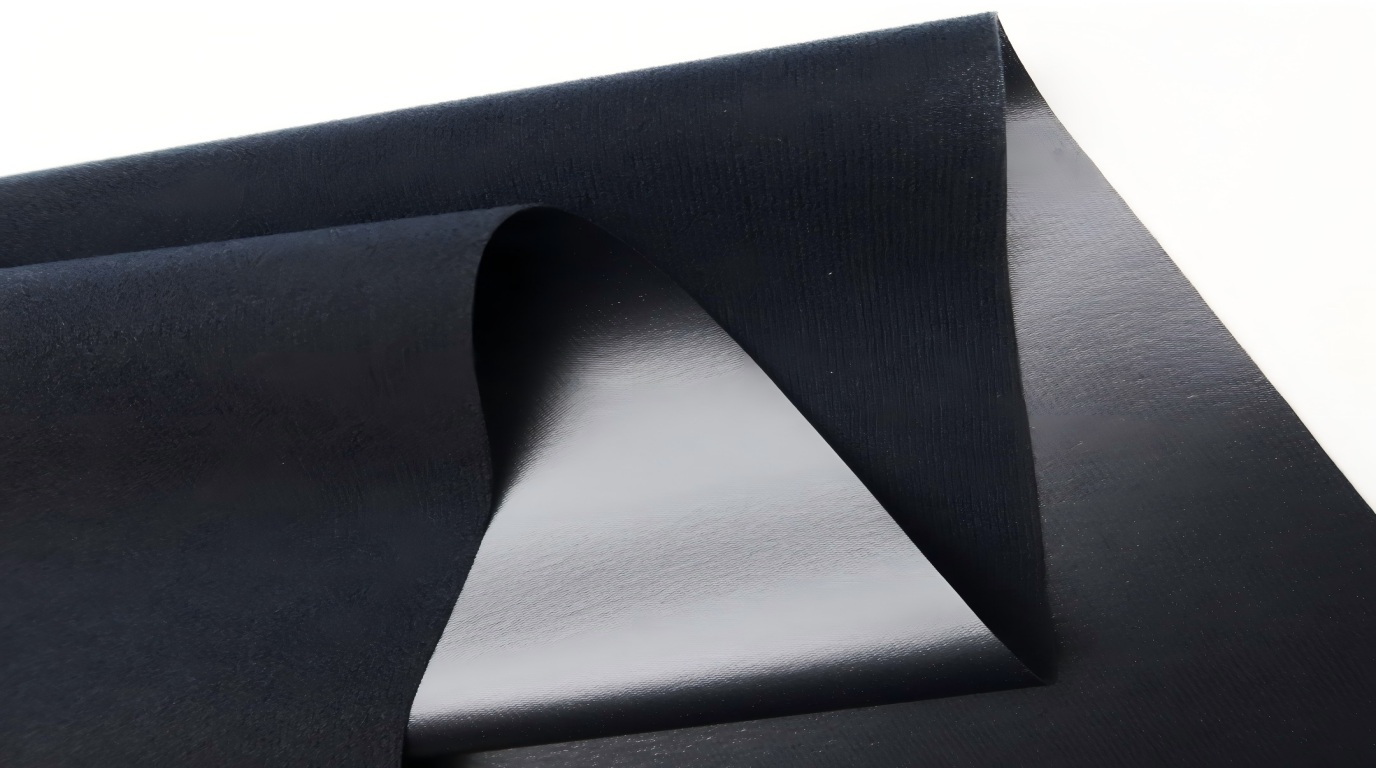
Nella progettazione e nella produzione di materassi ad aria antidecubito (a pressione ridotta), la scelta dei materiali non è un aspetto secondario: essa definisce direttamente le prestazioni del prodotto, la durata di vita e l'affidabilità clinica.
L'efficacia, la durata e la sicurezza per il paziente di un materasso ad aria antidecubito (a pressione ridotta) sono fondamentalmente legate alle prestazioni delle sue celle d'aria gonfiabili. Queste celle, che costituiscono il componente terapeutico principale, sono realizzate con tessuti specializzati rivestiti. La scelta sbagliata del materiale può portare a guasti prematuri, a una distribuzione incoerente della pressione, a maggiori costi di manutenzione e a risultati clinici compromessi.
Questa guida fornisce un quadro completo per ingegneri, progettisti di prodotti e specialisti degli acquisti, affinché possano valutare e selezionare il tessuto ottimale per la loro specifica applicazione di materasso, con particolare attenzione alle prestazioni superiori delle soluzioni a base di poliuretano termoplastico (TPU).
Nelle situazioni pratiche di produzione, il tessuto non è solo un componente strutturale, ma anche un'interfaccia funzionale tra il paziente e il sistema. Pertanto, scegliere il materiale giusto richiede un equilibrio tra resistenza meccanica, performance di tenuta, flessibilità e affidabilità a lungo termine in condizioni di uso continuativo.
1. Requisiti fondamentali delle prestazioni: gli irrinunciabili
Prima di confrontare materiali specifici, definisci i requisiti assoluti per il tessuto del tuo materasso. Questi criteri costituiscono la base del tuo processo di selezione.
Nelle applicazioni reali, questi requisiti non sono indipendenti: essi interagiscono tra loro. Ad esempio, migliorare la resistenza alle perforazioni potrebbe ridurre la flessibilità, mentre aumentare lo spessore del rivestimento potrebbe influire sulla saldabilità. Una valutazione corretta deve considerare le prestazioni complessive del sistema, piuttosto che una singola metrica.
Tenuta all'aria e barriera ai gas
Perché è importante:
La funzione primaria è formare una camera sigillata. Qualsiasi perdita, anche microscopica, costringe la pompa d'aria a lavorare continuamente, aumenta il consumo energetico e, cosa ancora più critica, destabilizza il profilo di pressione attentamente calibrato necessario per una redistribuzione efficace della pressione. Ciò può creare punti di pressione e annullare il beneficio terapeutico.
Metrica chiave:
Cerca materiali con un rivestimento polimerico continuo e privo di fori. Il rivestimento stesso deve avere una permeabilità all'aria estremamente bassa. Materiali come il TPU offrono una barriera monolitica eccezionale.
Durata e resistenza alle perforazioni
Perché è importante:
I materassi sopportano carichi statici e dinamici costanti, movimenti del paziente e potenziali contatti con strutture del letto, cuciture o altri oggetti. Il tessuto deve resistere all'abrasione, allo strappo e alle perforazioni per migliaia di cicli di pressione e anni di utilizzo.
Metrica chiave:
Valuta la resistenza alla trazione, la resistenza allo strappo (sia trapezoidale che a linguetta) e la resistenza alle perforazioni (ad esempio ASTM D4833). Un substrato intrecciato ad alto denier (come nylon o poliestere) fornisce la base per questa durata.
In ambienti ad alta dipendenza, come le unità di terapia intensiva, questo requisito diventa ancora più critico, poiché un guasto spesso comporta la sostituzione immediata del prodotto e interruzioni operative.
Stabilità dimensionale (bassa elasticità)
Perché è importante:
Nei materassi a pressione alternata, le celle d'aria devono gonfiarsi e sgonfiarsi fino a un volume preciso. Un tessuto che si allunga eccessivamente farà sì che le celle si “gonfino” oltre la dimensione prevista, alterando la pressione interna, riducendo il differenziale tra le celle e diminuendo l'efficacia terapeutica. Inoltre, ciò porta a tensioni nelle cuciture e a guasti prematuri.
Metrica chiave:
Bassa allungamento alla rottura e basso creep. I substrati intrecciati generalmente offrono una migliore stabilità dimensionale rispetto ai maglioni. Anche il modulo del polimero del rivestimento contribuisce.
Flessibilità e conformabilità
Perché è importante:
Il tessuto deve essere robusto ma malleabile. Deve flettersi con ogni ciclo di gonfiaggio/svuotamento senza affaticarsi e adattarsi delicatamente ai contorni del corpo del paziente in un sistema statico per distribuire uniformemente la pressione senza creare bordi o punti duri.
Metrica chiave:
Buona resistenza alla flessione e capacità di rimanere morbido in un ampio intervallo di temperature. Il TPU è rinomato per la sua eccellente flessibilità e prestazioni a basse temperature.
Pulibilità e resistenza ai fluidi
Perché è importante:
Negli ambienti sanitari, i materassi devono resistere a frequenti pulizie con disinfettanti aggressivi, candeggina e altri agenti detergenti. Devono inoltre formare una barriera impermeabile a sangue, liquidi corporei e umidità per prevenire contaminazioni, macchie e crescita microbica.
Metrica chiave:
Una superficie di rivestimento liscia e non porosa, chimicamente resistente. Il materiale dovrebbe essere validato per la compatibilità con i comuni disinfettanti ospedalieri.
Inoltre, l'esposizione prolungata ai disinfettanti può degradare i rivestimenti inferiori, rendendo la resistenza chimica un fattore chiave nei costi di ciclo di vita.
2. Selezione dei materiali: substrato di base e rivestimento
Il tessuto è un composito. Le prestazioni sono determinate dalla sinergia tra il substrato di base (che fornisce resistenza meccanica) e il rivestimento polimerico (che garantisce la tenuta).
Nella pratica produttiva, selezionare solo un lato (substrato o rivestimento) senza considerare l'altro spesso porta a prestazioni non combinate, come un tessuto robusto con una tenuta debole oppure un ottimo rivestimento con scarso supporto strutturale.
A. Opzioni per il substrato di base
| Tipo di substrato | Vantaggi | Considerazioni | Applicazioni tipiche |
|---|---|---|---|
| Nylon ad alto denier | Estrema resistenza e durata, ottima resistenza allo strappo e alle perforazioni, buona stabilità dimensionale | Peso e costo più elevati, flessibilità relativamente inferiore | Materassi pesanti a pressione alternata per terapia intensiva, assistenza a lungo termine, uso bariatrico |
| Nylon a medio denier | Equilibrio tra resistenza, peso e flessibilità, conveniente | Potrebbe non essere sufficiente per applicazioni ad altissimo carico | Materassi standard a pressione alternata per ospedali e cure domiciliari, materassi statici ad aria |
| Poliestere | Buona resistenza, costo inferiore, migliore resistenza ai raggi UV | Leggermente inferiore recupero elastico e resistenza al creep, potrebbe diventare fragile a basse temperature | Applicazioni sensibili al costo, materassi statici, ambienti esposti ai raggi UV |
B. Opzioni di polimeri per il rivestimento – La scelta critica
| Tipo di rivestimento | Vantaggi | Considerazioni | Valutazione generale |
|---|---|---|---|
| Poliuretano termoplastico (TPU) | Eccellente flessibilità ed elasticità, eccezionale resistenza all'idrolisi e ai microrganismi, prestazioni superiori a bassa temperatura, resistenza estremamente elevata alla saldatura RF, superficie liscia per una facile pulizia, durata a lungo termine | Costo delle materie prime più alto rispetto al PVC | Standard d'oro per materassi medici riutilizzabili ad alte prestazioni. Ideale per applicazioni professionali che richiedono affidabilità e longevità |
| Cloruro di polivinile (PVC) | Economico, buona tenuta stagna iniziale e impermeabilità, tecnologia di lavorazione consolidata | La migrazione dei plastificanti può causare fragilità nel tempo, scarse prestazioni a bassa temperatura, minore resistenza della saldatura, crescenti preoccupazioni ambientali | Adatto per applicazioni sensibili al costo, di breve durata o monouso |
In scenari di utilizzo a lungo termine, la differenza tra TPU e PVC diventa più evidente, in particolare nella durata delle cuciture e nella resistenza ai cicli ripetuti di pressione.
3. Raccomandazioni basate sull'applicazione
La scelta ottimale del tessuto è guidata dal caso d'uso previsto. In pratica, selezionare la combinazione sbagliata spesso porta a un sovradimensionamento (costi inutili) o a prestazioni insufficienti (fallimento del prodotto).
Materasso a pressione alternata per uso intensivo (UTI, assistenza acuta a lungo termine)
Raccomandazione principale: Tessuto nylon 210D/420D rivestito in TPU
Motivazione:
Richiede la massima durata per un utilizzo 24 ore su 24, frequenti cicli ad alta pressione e disinfezione aggressiva. Il TPU garantisce integrità a lungo termine e il nylon ad alto denier fornisce la necessaria resistenza allo scoppio.
Materasso a pressione alternata standard per ospedali e assistenza domiciliare
Raccomandazione principale: Tessuto nylon 70D rivestito in TPU
Motivazione:
L'equilibrio ideale per la maggior parte delle applicazioni. Offre eccellente tenuta stagna, sufficiente durata, buona flessibilità e affidabile saldabilità.
Materasso statico a galleggiamento d'aria / copertura
Scelta ad alte prestazioni: Tessuto nylon 70D rivestito in TPU
Scelta ottimizzata per i costi: Tessuto nylon o poliestere 70D/210D rivestito in PVC
Materasso per pazienti bariatrici / taglie grandi
Raccomandazione principale: Tessuto nylon 420D+ rivestito in TPU
Motivazione:
Richiede una resistenza eccezionale alla trazione e allo scoppio per sopportare carichi più elevati senza deformazioni o guasti.
Materasso a basso costo / monouso / per emergenze
Raccomandazione principale: Tessuto poliestere o nylon leggero rivestito in PVC
Motivazione:
Minimizza i costi soddisfando requisiti funzionali a breve termine.
4. Il quadro decisionale e i prossimi passi
Selezionare il tessuto giusto non è una decisione a un solo passo. Implica validazione tecnica, valutazione dei fornitori e test sul campo.
Passo 1: Definire le proprie priorità
Classificare i requisiti fondamentali in base agli obiettivi del prodotto.
Passo 2: Fare una lista ristretta di materiali
Selezionare 2–3 costruzioni candidate da confrontare.
Passo 3: Collaborare con i fornitori
Richiedere schede tecniche e campioni. Le metriche chiave includono:
- Spessore del rivestimento
- Peso del tessuto
- Allungamento
- Resistenza alla lacerazione
Passo 4: Effettuare test di validazione
- Test di saldabilità: Verificare la resistenza delle cuciture con saldatura RF
- Test di cicli di pressione: Simulare l'utilizzo a lungo termine
- Test di resistenza chimica: Validare la compatibilità con la pulizia
- Test di resistenza allo scoppio: Fondamentale per applicazioni ad alti carichi
Passo 5: Valutare il costo totale di proprietà
Sebbene il TPU abbia un costo iniziale più alto, spesso riduce:
- Tassi di guasto
- Frequenza di manutenzione
- Costi di sostituzione
Ciò rende il prodotto più economico nel corso del suo ciclo di vita.
La scelta del tessuto per un materasso ad aria antidecubito è una decisione strategica che va oltre la semplice selezione di un materiale.
È un investimento diretto in:
- Prestazioni cliniche
- Sicurezza del paziente
- Affidabilità del prodotto
Valutando sistematicamente i requisiti prestazionali, comprendendo le differenze tra i materiali e validando attraverso test, i produttori possono garantire che i loro prodotti soddisfino le reali esigenze dell'assistenza sanitaria.
In applicazioni a lungo termine, scegliere materiali ad alte prestazioni come il nylon rivestito in TPU non è soltanto una decisione tecnica—è la base per realizzare prodotti medicali durevoli, affidabili e competitivi.
 English
  Spanish
  Italian
  Korean
  French
  Japanese
  Arabic
  Portuguese
  Vietnamese
  German
  Turkish
  Belarusian