


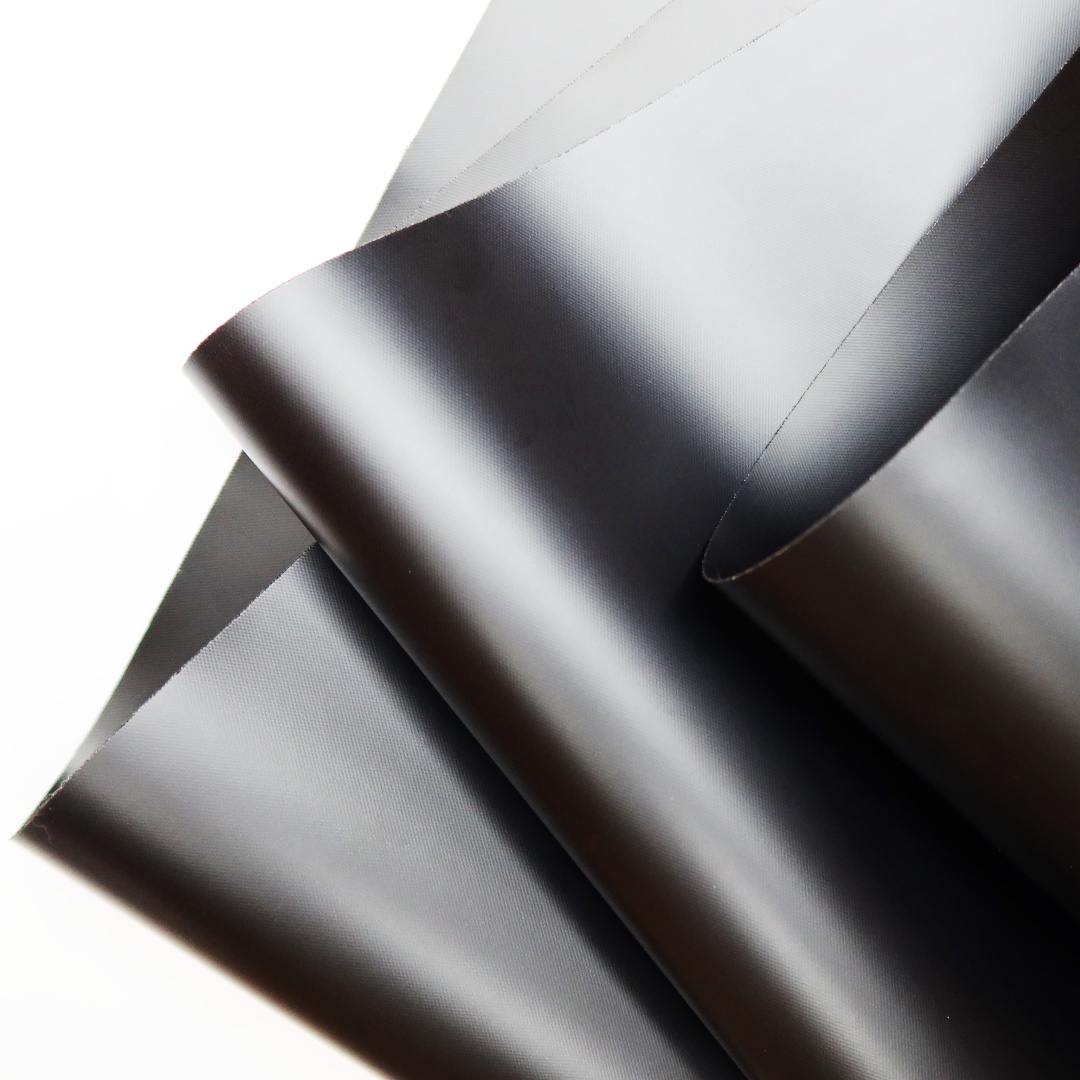
Si trabajas con tejidos industriales, probablemente te hayas enfrentado a esta pregunta más de una vez. Necesitas un material ligero, resistente y impermeable. Pero las opciones parecen infinitas. Poliéster recubierto con PVC. Nylon recubierto con TPU por una sola cara. Tejidos gomados. Y luego está nylon 210D recubierto con TPU por ambas caras.
Muchos fabricantes comienzan con PVC porque es barato. Otros prueban el recubrimiento con TPU por una sola cara porque quieren evitar el PVC. Pero ambas opciones tienen compromisos.
Este artículo explica por qué el tejido de nylon 210D recubierto con TPU por ambas caras suele ser la mejor opción. No para todas las aplicaciones, pero sí para muchas. Analizaremos las propiedades del material, los problemas de fabricación, el rendimiento en condiciones reales y el costo total.
¿Qué Es Exactamente el Tejido de Nylon 210D Recubierto con TPU por Ambas Caras?
Antes de comparar, una definición rápida ayuda.
Toma un trozo de nylon de 210 deniers. Esa es la tela base. El denier se refiere al grosor de las fibras individuales. 210D es relativamente fino. Produce un tejido ligero que aún es lo suficientemente fuerte para usos exigentes. Piensa en material para mochilas o telas para botes inflables.
Ahora recubre ambas caras con una capa fina de poliuretano termoplástico. Esa es la parte de TPU. El TPU es un tipo de plástico que permanece flexible en climas fríos, resiste aceites y grasas, y se suelda limpiamente con calor.
Por ambas caras significa exactamente lo que parece. El recubrimiento de TPU va tanto en la parte superior como en la inferior del nylon. No solo en una cara.
El resultado es un tejido que se ve y siente igual en ambas superficies. No se enrolla. No absorbe humedad por la parte trasera. Y puedes soldar costuras en cualquiera de las dos caras.
Por Qué Importa la Comparación
Quizás te preguntes por qué alguien se molestaría en hacer un recubrimiento por ambas caras. El recubrimiento por una sola cara es más fácil y barato de producir. Entonces, ¿por qué añadir el paso y el costo adicionales?
La respuesta tiene que ver con lo que ocurre cuando realmente usas el tejido.
Los tejidos recubiertos por una sola cara tienen una cara sin recubrimiento. Ese nylon desnudo queda expuesto. Puede absorber agua, atrapar suciedad y convertirse en un lugar para que crezcan bacterias. Cuando soldas una costura, solo puedes soldar por la cara recubierta. Y el tejido tiende a enrollarse porque el recubrimiento se contrae de manera diferente al nylon desnudo.
Los tejidos recubiertos con PVC tienen un conjunto diferente de problemas. El PVC se vuelve rígido y se agrieta en temperaturas bajo cero. Libera cloro cuando se quema. Y muchos mercados están dejando de usar PVC por preocupaciones ambientales y de salud.
El recubrimiento con TPU por ambas caras soluciona la mayoría de estos problemas. Cuesta más inicialmente. Pero a menudo ahorra dinero a largo plazo al durar más y funcionar mejor.
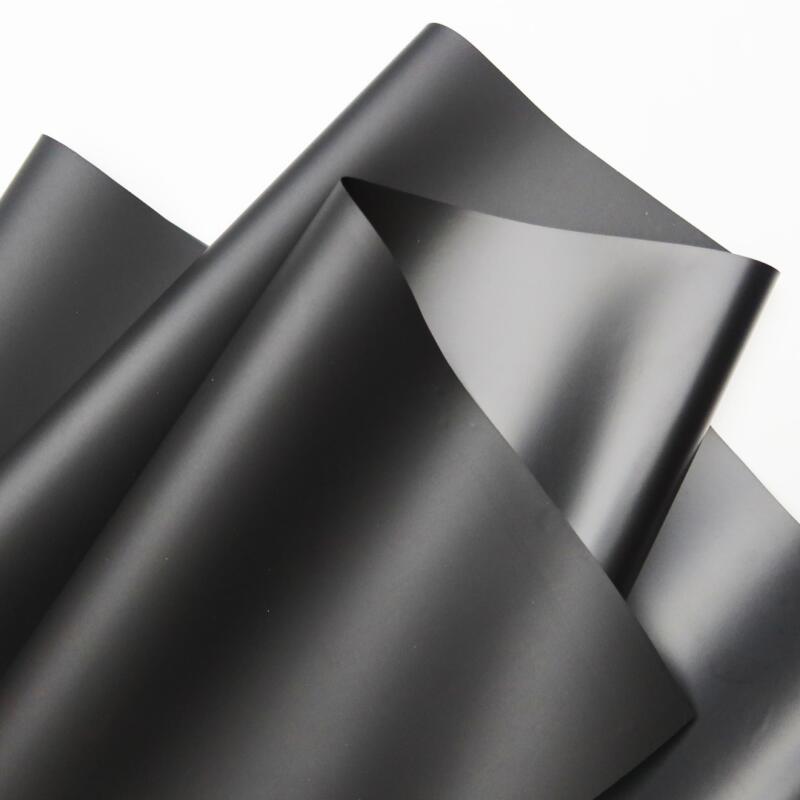
Principales Propiedades que Diferencian el Tejido Recubierto con TPU por Ambas Caras
Veamos los números. Pero en lugar de limitarme a listar especificaciones técnicas, explicaré qué significa cada propiedad para alguien que realmente tenga que usar este tejido.
Resistencia a la Tensión y al Rasgado
La base de nylon 210D le da a este tejido una resistencia a la tensión de aproximadamente 800 newtons en dirección de la urdimbre y 700 newtons en dirección de la trama. La resistencia al rasgado ronda los 60 newtons por 50 newtons.
¿Qué significa eso en lenguaje común? El tejido resiste tirar y estirar. Si estás haciendo una correa para mochila o una cámara para bote inflable, el material mantendrá su forma bajo carga. Y si el tejido sufre un pequeño corte, no se desgarra fácilmente.
Impermeabilidad y Hermeticidad
Este tejido normalmente soporta más de 10.000 milímetros de presión de agua antes de filtrarse. Esa cifra es lo suficientemente alta como para considerarlo completamente impermeable para casi cualquier propósito práctico.
La hermeticidad es donde el recubrimiento por ambas caras brilla. La permeabilidad al aire mide menos de 5 centímetros cúbicos por centímetro cuadrado por segundo. Eso significa que el aire no pasa fácilmente. Para estructuras inflables como vigas de aire, tablas de paddle o bolsas médicas, esta propiedad es esencial.
El recubrimiento por ambas caras importa aquí porque los orificios pequeños son menos comunes. Con el recubrimiento por una sola cara, la cara sin recubrimiento puede tener defectos diminutos difíciles de ver. El recubrimiento por ambas caras cubre ambas superficies, así que las posibilidades de una ruta de fuga son mucho menores.
Rango de Temperatura
Este tejido permanece flexible desde -30 grados Celsius hasta 70 grados Celsius.
El rendimiento en frío es una gran ventaja frente al PVC. Los tejidos recubiertos con PVC empiezan a endurecerse alrededor de los -10 grados y se vuelven frágiles por debajo de esa temperatura. Si tu producto se utilizará en condiciones invernales o en almacenamiento frío, el tejido recubierto con TPU por ambas caras es la opción más segura.
El rendimiento en calor es menos impresionante pero aún adecuado para la mayoría de los usos. A 70 grados, el tejido se ablanda pero no se derrite. En comparación, el interior de un coche en un día soleado de verano puede alcanzar de 60 a 70 grados. Así que este tejido funciona bien en aplicaciones automotrices pero no para nada que toque maquinaria caliente.
Resistencia a los rayos UV y al Amarilleo
El TPU estándar amarillea con el tiempo cuando está expuesto a la luz solar directa. ¿Cuánto? Después de 500 horas de envejecimiento acelerado QUV, el cambio de color Delta E se queda por debajo de 4. Eso es perceptible pero no severo.
Para productos de exterior que estarán años expuestos al sol, está disponible el TPU estabilizado contra UV. Los grados de TPU alifático resisten mucho mejor el amarilleo. El costo es mayor, pero el rendimiento iguala o supera al PVC.
Resistencia química
El TPU resiste aceites, grasas y muchos disolventes. También soporta bien ácidos y bases diluidos. Esto lo hace adecuado para aplicaciones industriales de contención.
Una ventaja específica frente al PVC es la resistencia a la migración de plastificantes. El PVC contiene plastificantes para mantenerlo flexible. Con el tiempo, esos plastificantes pueden migrar a la superficie, volviendo el material pegajoso o frágil. El TPU no depende de plastificantes. Permanece flexible gracias a su química polimérica.
Recubrimiento por Ambas Caras vs. Recubrimiento por Una Sola Cara
Esta es la comparación que confunde a la mayoría de los compradores. En papel, el tejido recubierto con TPU por una sola cara parece similar. Tiene una superficie de TPU en una cara. La otra cara es nylon desnudo. Entonces, ¿por qué no ahorrar dinero?
Aquí tienes una comparación lado a lado.
| Característica | Recubierto por Ambas Caras | Recubierto por Una Sola Cara |
|---|---|---|
| Aspecto de ambas caras | Igual – TPU suave | Diferente – una cara TPU, otra cara nylon desnudo |
| Soldabilidad | Ambas caras son soldables | Solo la cara recubierta es soldable |
| Tendencia a enrollarse | Ninguna | Sí, hacia la cara recubierta |
| Absorción de humedad | Ninguna | La cara sin recubrimiento absorbe agua |
| Atrapamiento de suciedad y bacterias | No | Uncoated nylon traps particles |
| Cleanability | Easy – wipe both sides | Hard – uncoated side absorbs spills |
| Hermética | Excelente | Good, but pinholes more common |
The curling issue alone is enough to rule out single-side coating for many applications. When a fabric curls, it is harder to cut, sew, and weld. Production slows down. Waste increases.
The moisture issue matters for outdoor gear and medical products. A single-side coated fabric left in the rain will absorb water on the uncoated side. The fabric gets heavier. It takes longer to dry. And if the application requires sterility, the uncoated nylon fibers can trap bacteria even after cleaning.
Double-side coating costs about 30 to 50 percent more than single-side coating. But for products where performance and reliability matter, that extra cost usually pays for itself.
Double-Side TPU Coated Fabric vs. PVC Coated Fabric
PVC coated fabrics have been around for decades. They are cheap. They are widely available. And for some applications, they work fine.
But PVC comes with baggage.
Flexibility in Cold Weather
PVC contains plasticizers to keep it flexible. At room temperature, this works well. But when the temperature drops below freezing, PVC stiffens. At minus 10 degrees Celsius, many PVC fabrics become difficult to work with. At minus 20 degrees, they can crack when folded or flexed.
TPU does not have this problem. It uses no plasticizers. The polymer itself remains flexible down to minus 30 degrees. For products used in cold climates or refrigerated environments, this is a dealbreaker difference.
Environmental and Health Concerns
PVC has fallen out of favor in many industries. The reasons include:
Chlorine content. When PVC burns, it releases hydrogen chloride gas. That gas is toxic and corrosive. Firefighters and safety officials take this seriously.
Plasticizer migration. The phthalates used to soften PVC have been linked to health concerns. Many phthalates are now restricted in Europe, North America, and other regions.
End-of-life disposal. PVC is difficult to recycle. Incinerating it releases toxic compounds. Landfilling it means the plasticizers can leach into groundwater.
TPU contains no chlorine, no phthalates, and no heavy metals. It is not perfectly green, but it is cleaner than PVC.
Weldability and Seam Strength
Both PVC and TPU can be welded with heat or radio frequency. But there is a difference in seam quality.
PVC welds easily but the seam strength often measures below the base fabric strength. TPU welds can achieve 80 to 90 percent of the base fabric strength. For inflatable structures and load-bearing applications, stronger seams matter.
Cost Comparison
PVC is cheaper. There is no way around that. A PVC coated fabric might cost 30 to 50 percent less than a comparable double-side TPU coated fabric.
But price is not the same as cost. A PVC fabric that fails after two years is more expensive than a TPU fabric that lasts five years. A PVC product that cannot be sold in certain markets because of phthalate restrictions is more expensive than a TPU product that meets global regulations.
For commodity products with short life expectations, PVC makes sense. For anything that needs to last, perform, or meet modern standards, TPU is usually the better value.
Where Double-Side TPU Coated 210D Nylon Fabric Makes the Most Sense
Some applications are perfect for this material. Others are not.
Inflatable Structures
Paddleboards, inflatable boats, air beams, and bounce houses all need airtight, weldable fabric. Double-side TPU coating ensures that both sides of a seam can be welded. The lightweight 210D nylon keeps the final product portable.
Backpacks and Dry Bags
Waterproofing only works if the fabric resists water from both sides. A single-side coated bag left in the rain will eventually soak through the uncoated interior. Double-side coating prevents this. The fabric is also light enough for backpacking gear but strong enough to survive airline baggage handling.
Medical Device Components
Cleanability is critical in medical settings. Exposed nylon fibers can trap contaminants. Double-side TPU coating creates a smooth, non-porous surface on both sides. It wipes clean easily. When produced with medical-grade TPU, the fabric meets ISO 10993 biocompatibility standards.
Industrial Containment
Spill containment berms, chemical storage tanks, and industrial bladders benefit from TPUs chemical resistance. The double-side coating means the fabric can be welded inside and out, creating fully sealed structures.
Outdoor Protective Covers
For covers that wrap completely around equipment, both sides are exposed to weather. A double-side coated cover provides UV protection and water resistance on all surfaces. It also resists dirt pickup better than single-side coated fabrics.
Manufacturing and Customization Options
Every buyer asks about what is possible. Here are the standard options for double-side TPU coated 210D nylon fabric.
Thickness
Total fabric thickness ranges from 0.2 millimeters to 1.0 millimeter. Thinner fabrics are more flexible and lighter. Thicker fabrics offer more abrasion resistance and puncture resistance. The 210D nylon base stays the same. The TPU coating thickness changes.
Colors
Standard colors include clear, black, and white. Custom colors are available with a minimum order quantity. Most suppliers require around 1000 linear meters for a custom color run.
Surface Finishes
Matte finishes reduce glare and look more professional. Glossy finishes are easier to clean. Textured finishes hide scratches and provide better grip.
Roll Sizes
Standard roll width is 1.5 meters. Some suppliers offer up to 2.2 meters. Roll length typically runs from 50 to 200 meters.
Aditivos
UV stabilizers improve outdoor life. Flame retardants help meet safety standards for public use. Antimicrobial additives reduce bacteria growth for medical and food contact applications.
A Quick Selection Checklist
If you are evaluating fabrics for a project, run through these questions.
Do both sides of the fabric need to look the same? If yes, double-side coating is required.
Will the fabric be welded on both sides? If yes, double-side coating is required.
Will the fabric be used in cold temperatures below minus 10 degrees Celsius? If yes, choose TPU over PVC.
Does the product need to meet modern environmental standards? If yes, avoid PVC.
Is weight a major concern? 210D nylon is lighter than most PVC coated fabrics.
Does the fabric need to be cleaned and sterilized? If yes, double-side TPU coating is the best option.
Common Questions From Buyers
Over the years, buyers have asked me the same questions again and again. Here are the ones that come up most often.
¿Se puede soldar esta tela consigo misma?
Yes. Double-side TPU coating allows heat welding or radio frequency welding on both sides. Seam strength typically reaches 80 to 90 percent of the base fabric strength.
Is the fabric waterproof?
Yes. The hydrostatic head resistance exceeds 10,000 millimeters. For practical purposes, that means fully waterproof.
Does the fabric contain any harmful substances?
Standard grades are free of phthalates, lead, and heavy metals. Medical grades are available with ISO 10993 certification. No PVC, no chlorine.
What is the minimum order quantity?
Sample quantities are usually one roll or less. For standard colors like black, white, and clear, minimum orders range from 500 to 1000 linear meters. Custom colors require larger volumes.
How long does the fabric last outdoors?
Standard TPU starts to yellow after one to two years of continuous sun exposure. UV-stabilized or aliphatic TPU lasts three to five years or more. For comparison, PVC also yellows and becomes brittle in about the same timeframe.
Can I get samples before placing a large order?
Most suppliers offer sample rolls. Lead time for samples is usually five to seven business days. Always test samples under your actual production and use conditions.When Double-Side TPU Coated Fabric Is Not the Right Choice
No material is perfect for everything. Here are cases where you might look elsewhere.
If cost is the only factor and performance does not matter, a cheaper PVC fabric will work.
If the product will never see moisture or cold temperatures, single-side coating might be enough.
If the fabric will be bonded with adhesives rather than welded, the double-side coating offers less advantage.
If extreme heat resistance is needed, silicone coated fabrics perform better. TPU softens at 70 degrees Celsius. Silicone handles much higher temperatures.
Double-side TPU coated 210D nylon fabric sits in a sweet spot. It is light enough for portable products. Strong enough for industrial use. Clean enough for medical applications. And flexible enough for cold weather.
Compared to PVC, it offers better cold performance, cleaner chemistry, and stronger welds. Compared to single-side TPU coating, it eliminates curling, provides weldability on both sides, and creates a fully sealed barrier.
The upfront cost is higher. There is no hiding that. But for manufacturers who care about product reliability, regulatory compliance, and customer satisfaction, the extra cost usually pays for itself.
If you are designing an inflatable product, a waterproof bag, a medical device, or an outdoor cover, this fabric deserves a close look. Get a sample. Weld a few seams. Test it in cold and hot conditions. See for yourself whether the switch from PVC or single-side coating makes sense for your application.
 English
  Spanish
  Italian
  Korean
  French
  Japanese
  Arabic
  Portuguese
  Vietnamese
  German
  Turkish
  Belarusian