


El tejido utilizado para un colchón de aire antiescaras debe hacer más que simplemente retener el aire. Cada célula de aire puede inflarse y desinflarse muchas veces, plegarse durante el almacenamiento, limpiarse después del uso y estar expuesta a cargas continuas cuando el colchón está en servicio. El material debe mantener su forma, resistir rasgaduras, mantener el aire dentro de la célula y seguir siendo lo suficientemente flexible para que el colchón funcione correctamente.
Para productos de aire ligeros, el nylon 70D con un revestimiento de TPU puede ofrecer un buen equilibrio entre flexibilidad y peso. Pero cuando el colchón está diseñado para usuarios más pesados, períodos de servicio más largos o ciclos frecuentes de inflado y desinflado, los requisitos cambian.
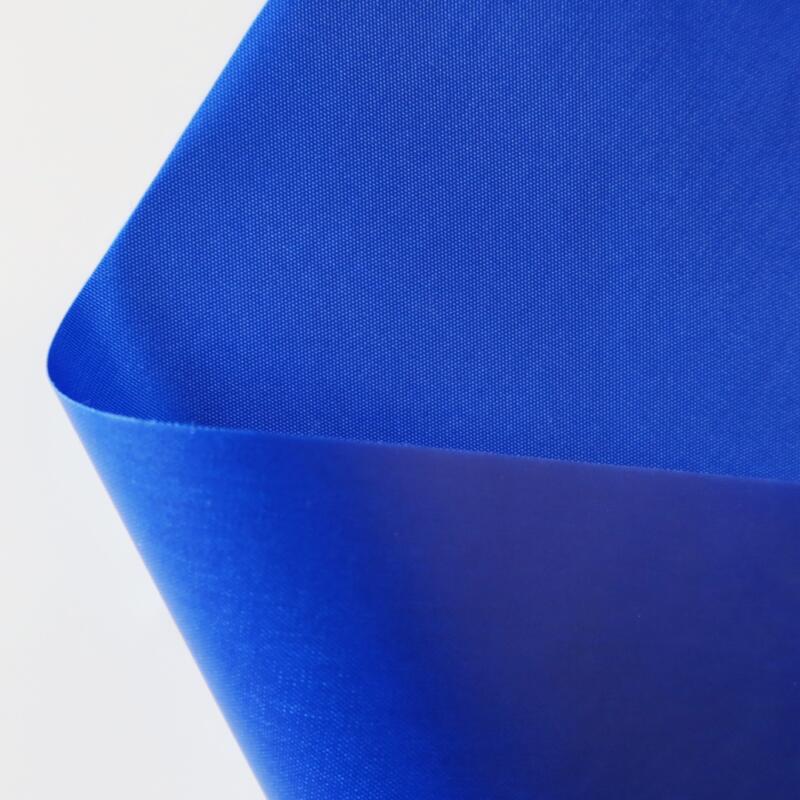
Aquí es donde Tela de nylon 210D con revestimiento de TPU para colchones de aire antiescaras se convierte en una opción práctica de material.
El sustrato de nylon 210D proporciona una estructura textil más fuerte que las construcciones más ligeras de 70D, mientras que el revestimiento de TPU aporta las propiedades de barrera necesarias para una célula de aire inflable. Las dos capas cumplen funciones diferentes, y el rendimiento del colchón terminado depende de qué tan bien trabajen juntas esas funciones.
Por qué el tejido para colchones de aire necesita más que estanqueidad
La estanqueidad es una de las primeras propiedades que se consideran al seleccionar un tejido para un colchón de aire, pero es solo una parte del requisito de material.
Una célula de aire es una estructura flexible. Cuando se infla, el tejido queda sometido a tensión. Cuando se desinfla, el material se pliega sobre sí mismo. Durante el uso, el peso del paciente modifica la forma y las condiciones de carga de las células. El inflado y desinflado repetidos añaden otro ciclo de estrés mecánico.
Por lo tanto, el tejido debe soportar varias condiciones al mismo tiempo:
- Presión interna de aire
- Flexión repetida
- Carga por tracción
- Estrés local alrededor de las costuras soldadas
- Plegado y desplegado
- Limpieza y exposición a la humedad
- Compresión y deformación a largo plazo
Un material que rinde bien en una prueba corta de estanqueidad no necesariamente será la mejor opción para un colchón destinado a uso intensivo o a largo plazo.
Por esta razón, el sustrato textil merece tanta atención como el revestimiento.
¿Qué aporta el nylon 210D a la construcción?
La denominación “210D” se refiere al denier del hilo de nylon utilizado en la construcción textil. No significa simplemente que el tejido es el doble de bueno que uno de 70D, ni el denier por sí solo determina la resistencia del producto terminado.
Sin embargo, pasar de una construcción ligera de 70D a un sustrato de nylon 210D más pesado generalmente proporciona una base más sólida para productos expuestos a mayores exigencias mecánicas.
Los principales beneficios están asociados con:
Mayor resistencia a la tracción
El sustrato de nylon soporta una parte importante de la carga mecánica dentro del tejido revestido.
Cuando se infla una célula de aire, el tejido tiene que resistir las fuerzas creadas por la presión interna. Cuando un usuario se acuesta sobre el colchón, la geometría de la célula cambia y la carga se redistribuye a través del tejido y la estructura soldada.
Un sustrato textil más fuerte da al diseñador más margen a la hora de enfrentarse a estas exigencias mecánicas.
Mejor resistencia a los rasgaduras
Las rasgaduras suelen comenzar desde un pequeño corte, pinchazo, borde dañado o área tensionada.
Una vez que comienza una rasgadura, la estructura textil determina con qué facilidad puede propagarse.
Una construcción más fuerte de nylon 210D puede ofrecer mayor resistencia a la propagación de rasgaduras que un textil ligero, lo cual es útil para productos que pueden manipularse con frecuencia durante la instalación, limpieza, transporte o almacenamiento.
Mayor estabilidad dimensional
Las dimensiones de una célula de aire importan porque la forma de la célula afecta cómo se infla y sostiene la estructura del colchón.
Una deformación excesiva puede afectar la forma y la posición de trabajo de cada célula. Un sustrato textil estable ayuda a que la construcción terminada mantenga dimensiones más consistentes a través del uso repetido.
Esto se vuelve más relevante a medida que aumentan el tamaño del colchón, el tamaño de las células, el peso del usuario y los ciclos de operación.
La capa de TPU tiene un trabajo diferente
El tejido de nylon proporciona el refuerzo estructural. La capa de TPU proporciona la barrera continua de polímero.
Esta distinción es importante al evaluar un tejido revestido.
El revestimiento de TPU es responsable de propiedades como:
- Hermética
- Impermeabilización
- Un recubrimiento flexible permite que el tejido se doble naturalmente sin agrietarse ni desarrollar fatiga superficial.
- Protección de la superficie
- Compatibilidad con soldadura
- Rendimiento de barrera
El revestimiento debe permanecer firmemente adherido al sustrato de nylon mientras el tejido se dobla y estira.
Si la adhesión es deficiente, la flexión repetida puede provocar que el revestimiento se separe del textil. Si el revestimiento es demasiado delgado para la aplicación, mantener un rendimiento de barrera consistente puede volverse más difícil. Si es demasiado grueso, el tejido terminado puede volverse más pesado y menos flexible.
Por lo tanto, el objetivo no es el grosor máximo del revestimiento. Es la construcción del revestimiento lo que proporciona el rendimiento requerido sin generar peso innecesario ni problemas de procesamiento.
Por qué el TPU funciona bien para células de aire flexibles
El TPU es adecuado para estructuras inflables porque combina flexibilidad con propiedades de barrera y soldadura.
Un colchón de aire necesita moverse con el inflado y desinflado en lugar de comportarse como un recipiente rígido. Por lo tanto, el revestimiento debe mantenerse flexible mientras mantiene su capacidad para contener aire.
El TPU también soporta varios procesos de unión utilizados para productos inflables, incluyendo sellado térmico y soldadura por alta frecuencia, según la formulación específica de TPU y la configuración de producción.
Para un colchón multicelular, esto es importante porque las costuras forman los límites reales de cada cámara de aire.
El revestimiento puede funcionar bien como material plano, pero la célula de aire terminada sigue dependiendo de la calidad de esas costuras.
La estanqueidad depende de la construcción terminada
Es fácil describir un tejido revestido como “estanco”, pero los ingenieros de productos deben mirar más allá del propio tejido.
Un colchón inflable contiene múltiples puntos potenciales de fugas:
- Las costuras soldadas
- Esquinas
- Conexiones de válvulas
- Interfaces de tubos
- Zonas de refuerzo
- Transiciones de materiales
Un pequeño defecto en una de estas áreas puede afectar el rendimiento de todo un sistema de colchón.
Por esta razón, la calificación de los materiales debería incluir pruebas del producto terminado en lugar de basarse únicamente en la permeabilidad del revestimiento o en pruebas de laboratorio del material.
El tejido, las condiciones de soldadura, el ancho de las costuras, la presión, las dimensiones de las celdas y la construcción de la válvula deben trabajar todos juntos.
Por qué el 210D puede ser útil para diseños de colchones de uso intensivo
La principal razón para considerar el 210D no es simplemente que el tejido sea más pesado.
La construcción textil más resistente se vuelve valiosa cuando el colchón terminado tiene mayores exigencias mecánicas.
Un colchón de uso intensivo podría necesitar soportar cargas más altas del usuario mientras mantiene su estructura celular a través de inflaciones y desinflaciones repetidas.
En estas condiciones, el tejido podría experimentar mayor tensión y estrés más exigente alrededor de las costuras y puntos de conexión.
Un sustrato de nylon 210D proporciona una base estructural más fuerte para el revestimiento de TPU.
Esto hace que la construcción sea especialmente relevante para productos como:
Superficies de apoyo bariátrico
Los colchones bariátricos requieren una construcción de material capaz de soportar cargas más altas.
La especificación exacta del tejido aún debe ajustarse a las dimensiones del colchón, la presión interna, el diseño de las celdas, el refuerzo y los requisitos de carga.
Sin embargo, un sustrato más fuerte de 210D puede proporcionar un punto de partida útil cuando el producto necesita más resistencia mecánica de lo que una construcción ligera puede ofrecer cómodamente.
Colchones de presión alternada de uso intensivo
Los sistemas de presión alternada inflan y desinflan repetidamente diferentes celdas de aire.
Esto genera una carga mecánica cíclica sobre el tejido y las costuras.
Por lo tanto, el material debe tolerar flexiones repetidas sin perder las propiedades requeridas para la celda de aire.
Una base textil más resistente combinada con un revestimiento flexible de TPU puede proporcionar una construcción adecuada para este tipo de producto.
Productos para cuidados a largo plazo
Los colchones utilizados en hospitales, centros de enfermería, entornos de rehabilitación o en el hogar pueden manipularse con frecuencia.
Pueden doblarse, moverse, limpiarse, almacenarse y volver a ponerse en servicio muchas veces.
La durabilidad del material se vuelve importante porque el producto no solo está expuesto a la presión durante su uso. También experimenta manipulaciones mecánicas a lo largo de su vida útil.
¿70D o 210D? La respuesta depende del colchón
No hay razón para reemplazar cada construcción de 70D por 210D.
Para productos donde el bajo peso y la flexibilidad son los principales requisitos, el nylon 70D todavía puede ser una opción sensata.
La diferencia se vuelve más importante cuando aumentan las exigencias mecánicas.
| Requisito | Nylon recubierto de TPU 70D | Nylon recubierto de TPU 210D |
|---|---|---|
| Bajo peso | Excelente | Bueno |
| Un recubrimiento flexible permite que el tejido se doble naturalmente sin agrietarse ni desarrollar fatiga superficial. | Excelente | Muy bueno |
| Resistencia a la rotura | Bueno | Excelente |
| Resistencia a rasgados | Bueno | Excelente |
| Resistencia a rasgados | Bueno | Muy bueno |
| Ciclos repetidos de inflación | Bueno | Excelente |
| Requisitos de carga más altos | Dependiente de la aplicación | Más adecuado |
| Diseños de colchones bariátricos | Dependiente de la aplicación | Fuerte candidato |
| Construcción de uso intensivo | Dependiente de la aplicación | Fuerte candidato |
Esta comparación es un punto de partida más que una clasificación fija de rendimiento. El resultado real depende de la construcción del hilo, la densidad del tejido, la formulación del TPU, el grosor del revestimiento, la calidad de la unión y las condiciones de producción.
El grosor de la película de TPU debe seleccionarse según el producto
El grosor de la película de TPU es otra especificación que debe considerarse junto con el diseño del colchón terminado.
Un revestimiento más grueso puede proporcionar una barrera polimérica más sustancial, pero también añade peso y cambia la flexibilidad y la sensación al tacto del tejido.
También puede cambiar el comportamiento de soldadura.
Para un fabricante de colchones inflables, el grosor adecuado debe determinarse según la estanqueidad requerida, el rendimiento mecánico, el método de soldadura, las condiciones de presión y la construcción del producto.
Por ejemplo, una cámara de aire grande que opera bajo mayor tensión puede tener requisitos diferentes a los de una pequeña bolsa de amortiguación.
Lo mismo ocurre con las costuras soldadas. Un material que funciona bien con un cierto grosor de película puede requerir parámetros de soldadura distintos después de cambiar la construcción del recubrimiento.
Es por esto que el grosor de la película TPU debe tratarse como un parámetro de desarrollo del producto en lugar de una especificación de compra aislada.
La soldadura forma parte de la selección del material
Un tejido recubierto solo se vuelve útil después de poder convertirse en una cámara de aire confiable.
En colchones antiescaras, la calidad de la soldadura es especialmente importante porque el colchón suele contener muchas cámaras individuales y conexiones.
La soldadura por alta frecuencia y el sellado térmico pueden utilizarse con construcciones TPU adecuadas, pero la ventana de procesamiento real depende del material y del equipo.
Parámetros tales como:
- Temperatura de soldadura
- Presión
- Tiempo de soldadura
- Diseño de electrodos
- Grosor de la película
- Dureza del TPU
- Construcción del tejido
pueden afectar la costura final.
Por lo tanto, un buen ensayo de producción debería probar tanto el material como el proceso de soldadura.
La resistencia al desprendimiento, la integridad de la costura, la estanqueidad, la estabilidad dimensional y la flexión repetida son indicadores más útiles que solo la hoja de datos del material.
El tejido más fuerte no puede compensar un mal diseño del producto
La resistencia del material es solo una parte de la estructura de la cámara de aire.
Considere un colchón con una gran cámara de aire y una presión interna relativamente alta. El tejido puede tener una excelente resistencia a la tracción, pero si la geometría de la costura concentra la tensión en una zona pequeña, la costura aún puede convertirse en el punto débil.
El mismo problema puede ocurrir alrededor de válvulas y conectores.
Por lo tanto, los diseñadores de productos deberían evaluar:
Resistencia del tejido + rendimiento del recubrimiento + diseño de la costura + presión de aire + geometría de la cámara + refuerzo
como un sistema.
Un tejido 210D puede proporcionar una base material más fuerte, pero no elimina la necesidad de una ingeniería adecuada del producto.
¿Qué deberían probar los fabricantes de colchones médicos?
Al evaluar nailon 210D recubierto con TPU para un nuevo colchón, el programa de pruebas debería representar el uso real.
El material en sí mismo puede probarse para resistencia a la tracción, resistencia al desgarro, abrasión, flexibilidad, adherencia del recubrimiento y otras propiedades relevantes.
Luego, la cámara de aire terminada debería evaluarse por separado.
Según el producto, las pruebas útiles pueden incluir:
Retención de aire
Inflar la cámara de aire terminada hasta la presión operativa prevista y monitorear la pérdida de presión durante un período definido.
Esto brinda una imagen más realista del sistema completo de retención de aire.
Inflado y desinflado repetidos
Ciclar la cámara de aire repetidamente para simular la operación real.
Después del ciclado, inspeccionar el recubrimiento, las costuras, las soldaduras, las áreas de las válvulas y el tejido en busca de cambios.
Prueba de carga
Aplicar una carga representativa al colchón y evaluar la deformación, la retención de presión, la integridad de la costura y la estabilidad estructural.
Las condiciones de prueba deben reflejar al usuario previsto y el diseño del producto.
Flexión y plegado
El plegado repetido puede ejercer presión sobre el recubrimiento y la interfaz entre el tejido y el TPU.
Esto es particularmente relevante para productos que se transportan o almacenan con frecuencia.
Limpieza y exposición a fluidos
Los colchones médicos pueden estar expuestos a agentes de limpieza, humedad y fluidos corporales.
El sistema de materiales debería evaluarse frente a los productos químicos de limpieza y procedimientos reales utilizados por el cliente.
La idoneidad de un grado de TPU para un producto médico debería confirmarse mediante el proceso de pruebas y cumplimiento aplicable. La química del TPU por sí sola no establece la certificación médica.
El color y la personalización importan más de lo que parece a primera vista
Para fabricantes de colchones OEM y ODM, el color del tejido no es solo una elección estética.
Diferentes líneas de productos pueden requerir colores distintos para identificación de marca, diferenciación de productos o gestión de producción.
El revestimiento de TPU también puede producirse con diferentes características visuales según la aplicación.
Al mismo tiempo, la personalización debe seguir siendo compatible con las propiedades mecánicas y de procesamiento requeridas.
Es aquí donde una comunicación estrecha entre el fabricante de telas y el productor de colchones se vuelve útil.
El cliente debe proporcionar lo antes posible la aplicación objetivo, la construcción de la tela, la carga esperada, la presión de operación, el proceso de soldadura, el grosor de la película, los requisitos de color y los criterios de prueba.
Eso brinda al proveedor de materiales suficiente información para desarrollar una construcción en torno al producto real en lugar de simplemente suministrar un rollo estándar de tela.
Una tela más resistente no siempre significa un mejor producto
Existe una tendencia en las compras industriales a asociar un denier más alto o un mayor grosor con una mejor calidad.
Ese enfoque puede generar costos innecesarios de material.
Si un colchón ligero solo necesita una resistencia mecánica moderada, pasar a 210D podría añadir peso sin aportar una ventaja significativa al producto.
Por otro lado, si el colchón está destinado a cargas elevadas y uso intensivo a largo plazo, elegir una construcción ligera solo para reducir el costo de la tela podría generar mayores riesgos más adelante.
La pregunta correcta es:
¿Qué nivel de rendimiento del material requiere realmente el producto terminado?
Una especificación de material bien diseñada debería cumplir con los requisitos de la aplicación sin una construcción excesiva.
Dónde encaja mejor el nylon 210D revestido con TPU
La tela de nylon 210D revestida con TPU es especialmente adecuada cuando un colchón médico de aire requiere una base textil más resistente, manteniendo al mismo tiempo la flexibilidad y las propiedades herméticas del TPU.
Las aplicaciones típicas incluyen:
- Colchones de presión alternante para uso pesado
- Colchones de aire bariátricos
- Colchones estáticos de flotación de aire
- Sistemas médicos de reemplazo de camas
- Colchones para cuidados a largo plazo
- Superficies de apoyo para rehabilitación
- Cojines médicos inflables
Para productos más ligeros donde el peso es una preocupación principal, el nylon revestido con TPU 70D puede seguir siendo la mejor opción.
Para productos de mayor carga donde la resistencia a la tracción, la resistencia a la rotura, la estabilidad dimensional y el estrés mecánico repetido son más importantes, el 210D proporciona un punto de partida más fuerte.
La selección de materiales debe comenzar con el producto terminado
La elección entre 70D y 210D no es simplemente una elección entre dos pesos de tela.
Es una decisión sobre cómo se comportará el material dentro de una estructura terminada de celdas de aire.
Para un fabricante de colchones médicos, el proceso de selección debe comenzar con el uso previsto:
carga del usuario → presión de aire → diseño de las celdas → ciclos de operación → condiciones de limpieza → proceso de soldadura → vida útil esperada
A partir de ahí, se puede definir la construcción de la tela.
El sustrato de nylon 210D proporciona la base mecánica. El revestimiento de TPU proporciona la barrera flexible contra el aire y la humedad. El proceso de soldadura crea las cámaras de aire selladas. El diseño final del colchón determina cómo se cargan todos estos componentes durante el uso.
Cuando se consideran estos factores juntos, la tela de nylon 210D revestida con TPU se convierte en algo más que una alternativa más pesada a la tela de 70D. Se convierte en una opción de material para productos médicos con celdas de aire donde la resistencia, la hermeticidad, la flexibilidad y la durabilidad a largo plazo deben trabajar en conjunto.
 English
  Spanish
  Italian
  Korean
  French
  Japanese
  Arabic
  Portuguese
  Vietnamese
  German
  Turkish
  Belarusian