


In jedem pneumatischen medizinischen Gerät gibt es ein Bauteil, das selten in den Blickpunkt der Öffentlichkeit gerät, aber unmittelbar Einfluss auf Produktsicherheit, Druckstabilität und Lebensdauer hat – die flexible Luftkammer.
Ob es sich um eine chirurgische Tourniquet-Manschette, einen sequenziellen Kompressionsärmel, eine aufblasbare Rehabilitationsorthese oder eine Notfall-Schiene handelt: Die Leistung des gesamten Geräts hängt von einer einfachen Anforderung ab: Die Kammer muss den Druck exakt so halten, wie sie ausgelegt ist.
Ein geringer Druckverlust mag in Laborversuchen unbedeutend erscheinen, doch in der klinischen Praxis kann er die Kompressionsgenauigkeit, den Patientenkomfort und die Behandlungskonsistenz beeinflussen. Für Hersteller kann selbst ein kleiner Prozentsatz an Leckage zu zusätzlichen Qualitätsprüfungen, Produktrückrufen, Garantieansprüchen oder kostspieligen Neuentwicklungen führen.
Viele dieser Probleme werden nicht durch das pneumatische System selbst verursacht. Sie beginnen bereits bei dem Material, das für die Herstellung der aufblasbaren Kammer ausgewählt wird.
Jahrelang verließen sich Hersteller auf Allzweck-TPU-Folien, PVC-Folien oder beschichtete Gewebe, weil sie leicht verfügbar und einfach zu verarbeiten waren. Obwohl diese Materialien in leichten industriellen Anwendungen ausreichend funktionieren mögen, arbeiten medizinische Geräte unter ganz anderen Erwartungen. Jede Produktionscharge muss konstant bleiben. Jede geschweißte Naht muss wiederholten Aufblaszyklen standhalten. Jedes Material muss auch nach Reinigung, Transport, Lagerung und langjähriger Nutzung weiterhin leisten.
Deshalb haben medizinische Gerätehersteller allmählich den Schritt hin zu medizinischem TPU-Film, unternommen, insbesondere zu dickeren Konstruktionen, die ein besseres Gleichgewicht zwischen Flexibilität und struktureller Stabilität bieten.
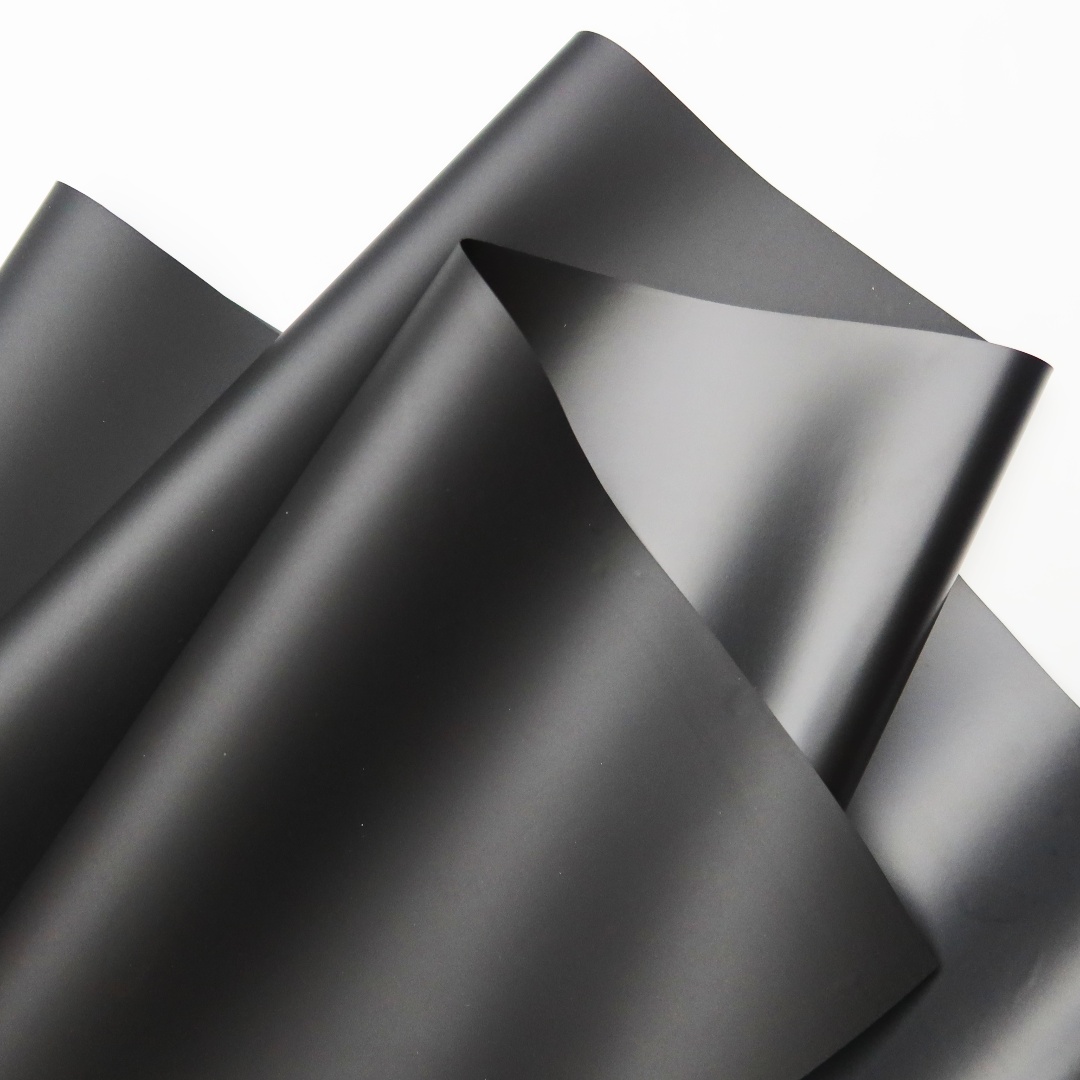
Unter den verfügbaren Dickenoptionen, 0,25 mm schwarzer medizinischer TPU-Film hat sich zu einer der am häufigsten gewählten Optionen für chirurgische Tourniquet-Manschetten und andere pneumatische medizinische Produkte entwickelt. Das liegt nicht daran, dass dickere Folien immer stärker sind, noch weil Schwarz einfach eine bevorzugte Farbe ist. Die Präferenz ergibt sich aus einer Kombination von ingenieurtechnischen Überlegungen, Fertigungseffizienz und langfristiger Zuverlässigkeit.
Dieser Artikel erklärt, warum 0,25 mm medizinischer schwarzer TPU-Film zum bevorzugten Material für aufblasbare medizinische Kammern geworden ist, wie er sich von Standard-TPU-Folien unterscheidet und was Hersteller vor der Auswahl eines Folienlieferanten berücksichtigen sollten.
Die Materialauswahl hat größere Auswirkungen, als die meisten Hersteller erwarten
Die Entwicklung eines pneumatischen medizinischen Geräts beginnt meist mit Diskussionen über Ventile, Pumpen, Sensoren oder Druckregelsysteme. Diese Komponenten sind sicherlich wichtig, doch können sie nur so gut funktionieren, wie es die Luftkammer zulässt.
Die flexible Kammer sorgt dafür, den Druck zu halten und sich gleichzeitig kontinuierlich der Bewegung anzupassen. Anders als starre Kunststoffgehäuse dehnt und zieht sie sich tausende Male während ihrer Lebensdauer zusammen. Jeder Aufblaszyklus belastet die Folie. Jeder Entlüftungszyklus lässt sie sich erholen. Während der Reinigung und beim Transport wird sie wiederholt gefaltet. Während der Lagerung erfährt sie Temperatur- und Feuchtigkeitsschwankungen.
Diese Bedingungen schaffen eine anspruchsvolle Umgebung für jede Polymerfolie.
Eine Folie, die bei ersten Tests gut abschneidet, kann nach Hunderten oder Tausenden von Druckzyklen allmählich an Stabilität verlieren. Mikroskopische Verformungen, Materialermüdung oder uneinheitliche Schweißqualität entstehen oft lange bevor sichtbare Schäden auftreten.
Deshalb bewerten erfahrene Medizingerätehersteller TPU-Folien selten allein anhand der Zugfestigkeit oder Dehnungswerte, die in einem technischen Datenblatt angegeben sind.
Stattdessen stellen sie sich praxisnahere Fragen.
Bleibt der Druck stabil, nachdem die Folie wiederholt aufgeblasen wurde?
Kann jede Produktionscharge dieselbe Schweißqualität erreichen?
Bleibt die Folie flexibel nach Sterilisation oder Langzeitlagerung?
Hält sie auch nach Transport unter unterschiedlichen Klimabedingungen ihre Leistung?
Diese Fragen konzentrieren sich auf Zuverlässigkeit statt auf Spezifikationen.
Medizinischer TPU-Film wird speziell für diese Art von Anwendung entwickelt. Im Vergleich zu standardmäßigem industriellen TPU liegt der Schwerpunkt stärker auf Formulierungskonsistenz, Sauberkeit während der Herstellung, Biokompatibilität und Verarbeitungsstabilität. Jede Produktionscharge soll vorhersehbar funktionieren, denn medizinische Geräte tolerieren keine unnötigen Schwankungen.
Konsistenz wird oft wertvoller als das Erreichen höchster individueller mechanischer Eigenschaften.
Warum 0,25 mm zur bevorzugten Dicke geworden ist
Eine der häufigsten Fragen von Produktentwicklern ist überraschend einfach:
Warum nicht eine dünnere Folie verwenden, um Gewicht und Kosten zu reduzieren?
Auf den ersten Blick scheint die Wahl einer dünneren TPU-Folie logisch zu sein. Weniger Material bedeutet geringeren Materialverbrauch und potenziell niedrigere Produktionskosten.
Pneumatische medizinische Produkte werden jedoch selten allein nach Materialkosten gestaltet.
Die Dicke beeinflusst viel mehr als nur die mechanische Festigkeit.
Sie wirkt sich auf den Berstdruck aus.
Sie beeinflusst die Schweißqualität.
Sie beeinflusst die Durchstichfestigkeit.
Außerdem wirkt sie sich darauf aus, wie sich die Kammer nach tausenden Aufblaszyklen verhält.
Sehr dünne TPU-Folien, etwa 0,10 mm oder 0,15 mm, bieten hervorragende Flexibilität. Sie werden häufig in leichten Einwegprodukten eingesetzt, wo der Betriebsdruck relativ niedrig und die Lebensdauer begrenzt ist.
Chirurgische Tourniquet-Manschetten arbeiten unter ganz anderen Bedingungen.
Die Blase wird wiederholt unter Druck gesetzt, während sie eine stabile Kompression um den Patientenarm aufrechterhält. Während des Gebrauchs entsteht lokaler Stress nahe gefalteter Bereiche, geschweißter Nähte, Schlauchverbindungen und Ecken. Eine dünnere Folie konzentriert den Stress auf einen kleineren Querschnitt und erhöht damit die Wahrscheinlichkeit einer Ermüdung über die Zeit.
Die Erhöhung der Dicke auf 0,25 mm verändert die Spannungsverteilung.
Anstatt dass sich die Verformung auf isolierte Stellen konzentriert, verteilt die dickere Folie die mechanische Belastung gleichmäßiger über die Kammerfläche. Das verringert lokale Spannungen und verbessert die Ermüdungsfestigkeit, ohne die Kammer übermäßig steif zu machen.
Aus fertigungstechnischer Sicht ist der Unterschied ebenso wichtig.
Hochfrequenzschweißen erfordert ausreichend geschmolzenes Material, um eine durchgängige Naht zu bilden. Extrem dünne Folien haben einen engeren Verarbeitungsbereich. Kleine Abweichungen beim Schweißdruck oder Haltezeit können die Nahtqualität beeinträchtigen.
Eine 0,25-mm-Folie bietet eine höhere Prozesstoleranz.
Hersteller erzielen oft konsistentere Schweißnähte mit weniger Justierung, was Ausschuss reduziert und die Produktionseffizienz steigert.
Dieser Vorteil wird besonders wertvoll bei der Großserienfertigung, wo Wiederholbarkeit direkte Auswirkungen auf die Produktionskosten hat.Flexibilität und strukturelle Stabilität ausbalancieren
Ein häufiger Irrtum ist, dass dickere TPU-Folien immer weniger flexibel sind.
Tatsächlich hängt die Flexibilität von mehreren Faktoren ab, darunter Polymerformulierung, Härte und Verarbeitungsbedingungen.
Medizinischer TPU behält selbst bei 0,25 mm hervorragende Elastizität.
Anstatt steif zu sein, biegt es sich sanft und bietet gleichzeitig zusätzliche strukturelle Unterstützung.
Dieses Gleichgewicht erklärt, warum viele wiederverwendbare pneumatische medizinische Produkte die 0,25-mm-Spezifikation wählen.
Es ist flexibel genug, um sich bequem an unterschiedliche Körperformen anzupassen, und dennoch robust genug, um wiederholter klinischer Nutzung standzuhalten.
Das Ergebnis ist ein Material, das sowohl den Komfort des Patienten als auch die Langlebigkeit des Produkts unterstützt.
Warum schwarze TPU-Folie in medizinischen Geräten bevorzugt wird
Die Farbe von TPU-Folie wird oft als ästhetische Entscheidung angesehen.
In der medizinischen Fertigung ist sie jedoch viel mehr als das.
Transparente TPU-Folien bleiben beliebt für Anwendungen, bei denen eine visuelle Inspektion der inneren Komponenten erforderlich ist. Allerdings haben aufblasbare medizinische Kammer meist andere Prioritäten.
Schwarze TPU-Folie bietet vollständige Opazität und verhindert, dass externes Licht auf innere Strukturen gelangt.
Für Produkte, die lichtempfindliche Materialien oder Komponenten enthalten, kann dieser zusätzliche Schutz zu einer höheren Langzeitstabilität beitragen.
Opazität verbessert auch das Erscheinungsbild.
Medizinische Geräte werden häufig wiederholt gereinigt, transportiert und gehandhabt. Transparente Folien neigen dazu, innere Staubpartikel, kleine Kratzer, Klebereste oder Montagespuren sichtbar zu machen, die kaum Auswirkungen auf die Leistung haben, aber die wahrgenommene Qualität negativ beeinflussen können.
Schwarze Folie präsentiert sich während der gesamten Lebensdauer des Produkts sauberer und gleichmäßiger.
Viele Krankenhäuser schätzen außerdem die praktischen Wartungsvorteile.
Oberflächenverschmutzungen lassen sich bei der Inspektion leichter erkennen, während Verfärbungen durch wiederholtes Reinigen weniger auffallen als bei helleren Materialien.
Obwohl diese Faktoren die mechanische Leistung nicht direkt verbessern, tragen sie zu einer professionelleren Produktpräsentation bei, insbesondere bei wiederverwendbaren medizinischen Geräten.
Farbe verändert die Leistung nicht – die Formulierung schon
Hier sollte ein wichtiger Unterschied gemacht werden.
Schwarze TPU-Folie ist nicht automatisch stärker als transparente TPU-Folie.
Die Leistung hängt von der Polymerformulierung, der Verarbeitungstechnologie und der Herstellungsqualität ab – nicht allein von der Farbe.
Medizinisch geeignete schwarze TPU-Folie kombiniert sorgfältig kontrollierte Pigmentierung mit einer speziell für die medizinische Verarbeitung entwickelten Formulierung.
Die Pigmente sind gleichmäßig im Material verteilt, sodass Dicke und Schweißeigenschaften konstant bleiben, ohne Schwachstellen in der Folie zu erzeugen.
Dadurch können Hersteller die visuellen Vorteile schwarzer Folie nutzen, ohne die Luftdichtheit oder Schweißqualität zu opfern.
Für pneumatische medizinische Geräte ist diese Konstanz letztlich weitaus wichtiger als die Farbe selbst.
Medizinisch geeignete TPU-Folie versus Standard-TPU-Folie
Bei der Beschaffung von TPU-Folie stellen viele Käufer schnell fest, dass Produkte mit ähnlicher Dicke oft sehr unterschiedliche Preise haben. Auf dem Papier mögen sie nahezu identisch erscheinen. Ein Lieferant gibt möglicherweise dieselbe Dicke, Härte, Zugfestigkeit und Dehnung an, sodass es schwer zu verstehen ist, warum ein Material deutlich teurer ist als ein anderes.
Der Unterschied liegt meistens darin, was das Spezifikationsblatt nicht zeigt.
Allgemeine TPU-Folie wird für eine breite Palette industrieller Produkte hergestellt, bei denen geringe Abweichungen zwischen Produktionschargen akzeptabel sind. Aufblasbares Spielzeug, Konsumgüter, Schutzhüllen und Verpackungsfolien haben alle unterschiedliche Leistungserwartungen als medizinische Geräte. Eine leichte Abweichung in der Folienstärke oder beim Schweißverhalten hat in diesen Branchen möglicherweise kaum Auswirkungen.
Medizinische Anwendungen sind weitaus weniger nachsichtig.
Eine pneumatische Tourniquet-Manschette soll bei jedem Eingriff einen gleichmäßigen Druck liefern. Kompressionsmanschetten müssen sich wiederholt aufblasen, ohne Undichtigkeiten oder schwache Nähte zu entwickeln. Rehabilitationsgeräte bleiben oft jahrelang im Einsatz und benötigen lange nach der Produktion stabile Leistung.
Aus diesen Gründen legt medizinisch geeignete TPU-Folie größeren Wert auf Herstellungs-Konsistenz als auf oberflächliche mechanische Werte.
Rohstoffe werden mit strengeren Qualitätskontrollen ausgewählt. Die Folienextrusion wird überwacht, um Dickenabweichungen über die gesamte Rolle hinweg zu reduzieren. Die Oberflächenreinheit erhält besondere Aufmerksamkeit, da selbst mikroskopische Verschmutzungen die Schweißqualität beeinflussen können. Auch die Chargenrückverfolgbarkeit ist ein wesentlicher Bestandteil der Produktion, sodass Hersteller jederzeit die Materialgeschichte nachvollziehen können.
Diese Details erscheinen vielleicht nicht in einem Prospekt, beeinflussen aber direkt die Produktionseffizienz und Zuverlässigkeit des fertigen Produkts.
Der folgende Vergleich verdeutlicht die praktischen Unterschiede.
| Standard-TPU-Folie | Medizinisch geeignete TPU-Folie |
|---|---|
| Allgemeine industrielle Formulierung | Formuliert für medizinische Geräteanwendungen |
| Geeignet für allgemeine Fertigung | Hergestellt unter strengeren Qualitätskontrollen |
| Dicke Schwankungen können stärker variieren | Verbesserte Dickenkonsistenz |
| Angemessene Schweißbarkeit | Stabile und wiederholbare HF- und Heißschweißleistung |
| Begrenzte Dokumentation | Bessere Rückverfolgbarkeit der Produktion und Compliance-Unterstützung |
Medizinisch geeignete TPU-Folie ist daher nicht einfach nur eine teurere Version der Standard-TPU. Es handelt sich um ein Material, das für Anwendungen entwickelt wurde, bei denen Wiederholbarkeit ebenso wichtig ist wie Festigkeit.
Warum die Schweißqualität die Zuverlässigkeit chirurgischer Tourniquet-Manschetten bestimmt
Die Materialauswahl ist nur ein Teil der Gleichung.
Selbst hochwertigste TPU-Folie kann schlechte Nahtkonstruktionen nicht ausgleichen.
Ingenieure, die mit aufblasbaren medizinischen Produkten gearbeitet haben, wissen, dass Ausfälle selten in der Mitte des Films beginnen. Die meisten beginnen dort, wo zwei Materialstücke miteinander verbunden sind.
Deshalb verdient das Schweißen genauso viel Aufmerksamkeit wie der Film selbst.
Im Gegensatz zu genähten Baugruppen beruhen pneumatische Kammern vollständig auf geschweißten Verbindungen, um den Innendruck zu halten. Jeder Aufblaszyklus überträgt Spannungen direkt auf die Naht. Wenn die Schweißqualität ungleichmäßig ist, können sich mikroskopisch kleine Kanäle innerhalb der Verbindung bilden. Diese Kanäle sind oft zu klein, um bei einer visuellen Inspektion erkannt zu werden; dennoch ermöglichen sie allmählichen Luftverlust bei wiederholter Nutzung.
TPU-Film in medizinischer Qualität ist speziell formuliert, um stabile Schweißnähte mittels Hochfrequenz-(HF)-Schweißen oder thermischem Schweißen herzustellen.
Beim Schweißen schmelzen die Polymerschichten zusammen und bilden eine durchgehende Struktur statt zwei getrennter Platten, die durch Klebstoff verbunden sind. Nach dem Abkühlen verhält sich die Verbindung ähnlich wie das umgebende Material und bildet eine abgedichtete Kammer, die unter anspruchsvollen Bedingungen Druck halten kann.
Für Hersteller bietet dies mehrere praktische Vorteile.
Die Produktion lässt sich leichter steuern, da das Schweißfenster stabiler ist. Bediener benötigen weniger Zeit, um die Ausrüstung für jede Produktionscharge einzustellen, während automatisierte Schweißsysteme über lange Produktionsläufe hinweg konsistentere Ergebnisse erzielen.
Für Produktdesigner bietet die zuverlässige Schweißbarkeit größere Freiheit bei der Entwicklung der Kammergeometrie. Komplexe aufblasbare Formen können ohne zusätzliche Dichtungskomponenten erstellt werden, was die Montage vereinfacht und potenzielle Fehlerstellen reduziert.
Letztlich ist ein pneumatisches medizinisches Gerät nur so zuverlässig wie seine schwächste Schweißnaht.
Die Auswahl des richtigen TPU-Films hilft sicherzustellen, dass die Naht eine der stärksten Teile des Produkts bleibt und nicht deren Schwachstelle.
Leistung, die über Laborversuche hinausgeht
Technische Datenblätter liefern wertvolle Informationen, erzählen aber selten die ganze Geschichte.
Ein medizinisches Gerät arbeitet nicht unter idealen Laborbedingungen. Es durchläuft Transport, Lagerung, wiederholtes Aufpumpen, Reinigung und kontinuierliche Handhabung durch medizinisches Personal.
Aus diesem Grund bewerten Hersteller TPU-Film zunehmend anhand langfristiger Leistungsfähigkeit statt isolierter Laborwerte.
Ein 0,25 mm großer TPU-Film in medizinischer Qualität bietet typischerweise eine Kombination von Eigenschaften, die anspruchsvolle pneumatische Anwendungen unterstützt.
| Eigentum | Typische Leistung |
|---|---|
| Filmdicke | 0,25 mm |
| Luftdichte Leistung | Hervorragende Langzeitluftdichtigkeit |
| Schweißbarkeit | Kompatibel mit HF- und Heißschweißen |
| Flexibilität | Hohe Flexibilität ohne Rissbildung |
| Reißfestigkeit | Hohe Beständigkeit gegen Rissausbreitung |
| Punktionssicherheit | Verbessert gegenüber dünneren Filmen |
| Reinigungsfähigkeit | Beständig gegen gängige medizinische Desinfektionsmittel |
| Sterilisationsfähigkeit | Geeignet für ausgewählte Sterilisationsmethoden wie EtO und Gamma (vorbehaltlich Validierung) |
Was diese Eigenschaften wertvoll macht, ist ihre Zusammenwirkung.
Eine höhere Punktionssicherheit reduziert versehentliche Beschädigungen während der Montage.
Stabile Flexibilität ermöglicht es aufblasbaren Kammern, sich wiederholt zu falten, ohne Spannungskonzentrationen zu erzeugen.
Zuverlässige Schweißbarkeit minimiert Produktionsfehler.
Gute Luftdichtigkeit hilft, den internen Druck während der gesamten vorgesehenen Lebensdauer konstant zu halten.
Anstatt eine einzelne Eigenschaft zu optimieren, bietet medizinischer TPU-Film eine ausgewogene Leistung über mehrere Anforderungen hinweg.
Genau diese Ausgewogenheit suchen Hersteller, wenn sie Produkte entwickeln, die täglich zuverlässig funktionieren müssen.
Typische Anwendungen über chirurgische Tourniquet-Manschetten hinaus
Obwohl chirurgische Tourniquet-Manschetten nach wie vor eine der häufigsten Anwendungen sind, unterstützt medizinischer 0,25 mm schwarzer TPU-Film viele weitere pneumatische medizinische Geräte.
Für sequentielle Kompressionsschienen zur Vorbeugung von tiefen Venenthrombosen sind mehrere aufblasbare Kammern erforderlich, die nacheinander arbeiten. Stabiles Schweißen und zuverlässige Luftdichtigkeit helfen, präzise Kompressionszyklen während der gesamten Behandlung aufrechtzuerhalten.
Aufblasbare Rehabilitationsorthesen benötigen flexible Luftkammern, die wiederholtem Aufpumpen standhalten und gleichzeitig für Patienten während langer Tragezeiten angenehm bleiben.
Auch Notfall-Schienen profitieren vom TPU-Film, da sie leicht, tragbar und zuverlässig unter anspruchsvollen Bedingungen bleiben müssen. Ihre aufblasbaren Strukturen müssen Punktionsfestigkeit aufweisen und gleichzeitig ausreichend flexibel sein, um schnell eingesetzt zu werden.
Medizinische Matratzen zur Druckumverteilung verwenden mehrere miteinander verbundene Luftkammern, die über längere Zeiträume kontinuierlich arbeiten. Stabile Barriereeigenschaften helfen, den Druckausgleich aufrechtzuerhalten und Wartungsaufwand zu reduzieren.
Außerhalb traditioneller Gesundheitsumgebungen profitieren veterinärmedizinische Tourniquet-Systeme, Rehabilitationsgeräte, pneumatische Laboreinrichtungen und medizinische Schutzabdeckungen gleichermaßen von der gleichen Kombination aus Flexibilität, Schweißbarkeit und Haltbarkeit.
Obwohl sich die Produkte unterscheiden, bleibt die ingenieurtechnische Herausforderung bemerkenswert ähnlich.
Jede Anwendung beruht auf einer flexiblen Kammer, die Luft sicher und konstant halten kann.
Warum Hersteller Xianglong wählen
Die Auswahl des richtigen Materials ist nur ein Teil des Projekts. Genauso wichtig ist es, einen Lieferanten zu wählen, der über die gesamte Lebensdauer eines Produkts hinweg konstante Qualität liefert.
Bei Wuxi Xianglong Polymer Fabric Co., Ltd., verstehen wir, dass medizinische Hersteller nicht einfach nur TPU-Film kaufen. Sie wählen ein Material aus, das Teil eines regulierten medizinischen Geräts wird.
Diese Verantwortung prägt unsere Herangehensweise an die Produktion.
Wir operieren von einer modernen Fertigungsanlage, die über 9.167 Quadratmeter, verfügt und von über 15 Jahren Branchenerfahrung unterstützt wird, wir stellen TPU-Folien und mit TPU beschichtete Gewebe für Kunden her, die weltweit in den Bereichen Medizin, Outdoor, Industrie und Sicherheit tätig sind.
Unsere Produktion konzentriert sich darauf, mehr zu liefern als nur Spezifikationsblätter zu erfüllen.
Wir achten sorgfältig auf Dickegleichmäßigkeit, Oberflächenqualität, Schweißbarkeit und Luftdichtigkeit, da diese Faktoren direkten Einfluss auf die Effizienz der Herstellung und die Zuverlässigkeit des Endprodukts haben.
Unser Ingenieurteam arbeitet außerdem eng mit Kunden bei der Materialauswahl zusammen.
Einige Anwendungen erfordern maximale Flexibilität.
Andere legen Wert auf Berstdruckfestigkeit, Durchstoßfestigkeit oder Kompatibilität mit spezifischen Schweißgeräten.
Anstatt für jedes Projekt eine einzige Lösung zu empfehlen, helfen wir Herstellern, die Folienstruktur zu identifizieren, die am besten zu ihrem Produktdesign, Produktionsprozess und Leistungszielen passt.
Dieser anwendungsorientierte Ansatz hat es unseren Materialien ermöglicht, aufblasbare medizinische Geräte, Drucktherapiesysteme, Schutzausrüstungen und viele andere pneumatische Produkte weltweit zu unterstützen.
Medizinische Geräte verlangen von Polymerfolien mehr, als es die meisten industriellen Anwendungen jemals tun werden.
Sie benötigen Materialien, die konstant leisten, zuverlässig schweißen, über Tausende von Aufpumpzyklen hinweg Druck halten und während des gesamten Produktlebenszyklus strengen Qualitätsansprüchen gerecht bleiben.
Deshalb ist medizinisch geeignete 0,25 mm dicke schwarze TPU-Folie zur bevorzugten Wahl für chirurgische Tourniquetmanschetten und viele andere pneumatische medizinische Geräte geworden.
Ihr Wert definiert sich nicht allein durch die Dicke.
Er ergibt sich aus dem Gleichgewicht zwischen Flexibilität und Haltbarkeit, der Konsistenz ihrer Schweißleistung sowie aus der Sicherheit, die Hersteller durch den Einsatz eines Materials gewinnen, das speziell für medizinische Anwendungen entwickelt wurde.
Da medizinische Geräte weiterhin zu höherer Zuverlässigkeit und längerer Lebensdauer fortschreiten, bleibt die Materialauswahl eine der wichtigsten ingenieurtechnischen Entscheidungen bei der Produktentwicklung.
Bei Xianglong, wir glauben, dass jedes zuverlässige pneumatische Gerät mit einem zuverlässigen Material beginnt. Durch die Kombination stabiler Herstellungsprozesse, Anwendungsexpertise und strenger Qualitätskontrolle helfen wir Kunden, Produkte zu bauen, die vom ersten Aufpumpzyklus bis zum letzten konstant leisten.
Egal, ob Sie eine neue chirurgische Tourniquetmanschette entwickeln, ein bestehendes Kompressionstherapiesystem upgraden oder einen zuverlässigen TPU-Folielieferanten suchen – die richtige Materialauswahl heute kann Produktionshürden reduzieren und die Produktleistung für Jahre verbessern.
 English
  Spanish
  Italian
  Korean
  French
  Japanese
  Arabic
  Portuguese
  Vietnamese
  German
  Turkish
  Belarusian