


TPU-Coated-70D-Nylon-Fabric.jpg)
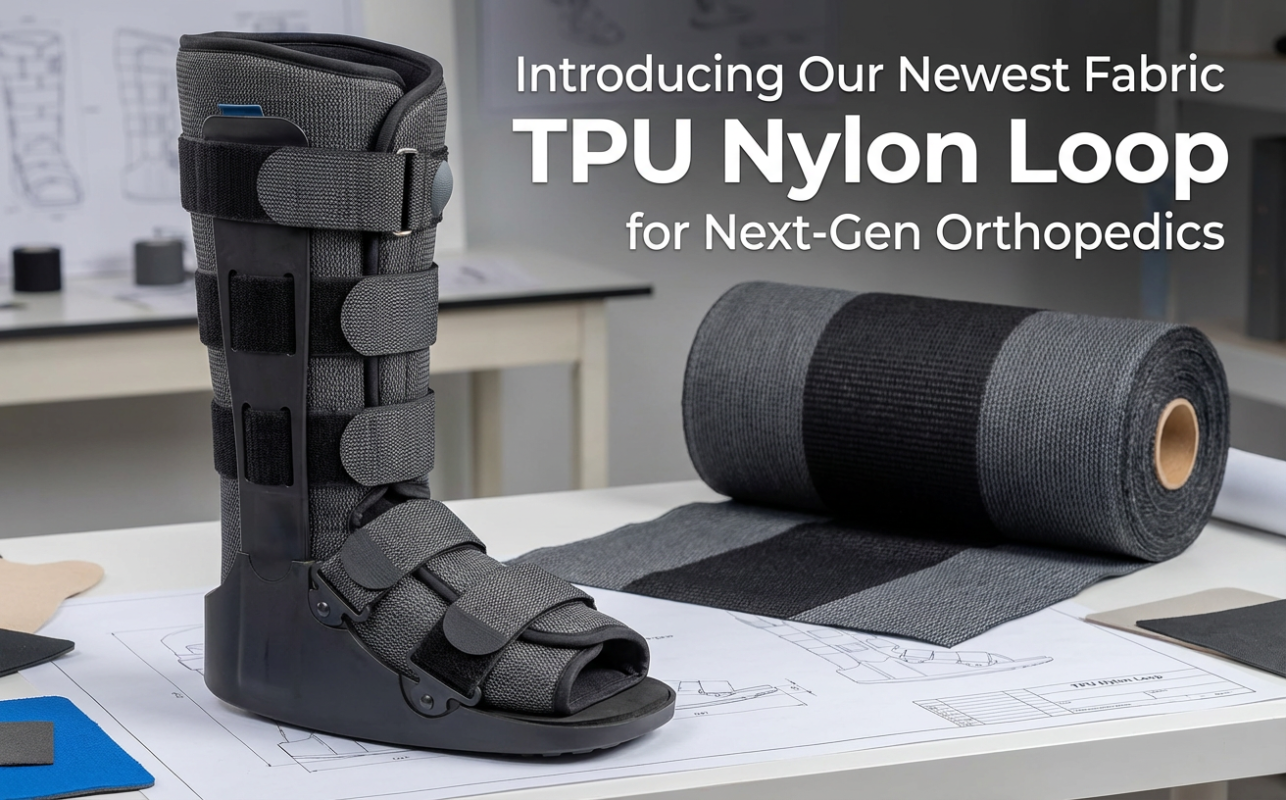
عندما يصف الأطباء حذاء إعادة التأهيل الطبي للكسور في القدم، والالتواءات في الكاحل، والتعافي بعد الجراحة، أو قرح القدم السكري، غالبًا ما يتركز الاهتمام على صلابة الغلاف، ونظام الأشرطة، والميكانيكا الحيوية العامة. ومع ذلك، فإن مكونًا لا يقل أهمية ويؤثر بشكل مباشر على نتائج المرضى غالبًا ما يتم إغفاله: النسيج. فالمواد التي تبطن الجزء الداخلي، وتلفّ القدم، وتحافظ على ثبات الحذاء، تحدد ما إذا كان المريض سيستمر في ارتداء الجهاز كما وُصف له أم سيتخلى عنه بعد أيام قليلة بسبب التعرق أو نقاط الضغط أو تهيج الجلد. إن نسيج حذاء إعادة التأهيل الطبي ليس مجرد طبقة ثانوية؛ بل هو واجهة هندسية بين الطرف المصاب ونظام التثبيت. تستكشف هذه المقالة أنواع الأنسجة المستخدمة، ومتطلبات أدائها الميكانيكية والحيوية الأساسية، ومعايير الاختبارات ذات الصلة، وكيف تُوجِّه التطبيقات السريرية اختيار النسيج.
لماذا أداء النسيج مهم في الالتزام بالعلاج التأهيلي
لا يزال عدم التزام المرضى بأجهزة التثبيت التأهيلية من التحديات المستمرة في الممارسات العظمية والقدمية. فالحذاء الصلب الذي يفشل في إدارة الرطوبة أو توزيع الضغط بشكل متساوٍ قد يؤدي إلى التسلخ، والتهاب الجلد التماسي، أو حتى قرح الضغط، خاصةً لدى المرضى الذين يعانون من ضعف الدورة الدموية أو الإحساس. دور النسيج يتخطى مجرد الراحة البسيطة. إذ يجب أن يطرد العرق بعيدًا عن الجلد، وأن يقاوم تكاثر البكتيريا، وأن يحافظ على استقراره الهيكلي بعد التنظيف المتكرر، وأن يتحمل القوى الشدّية الناتجة أثناء المشي أو وضعيات النوم.
من منظور سريري، ينبغي أن يكون النسيج المثالي جيد التهوية بما يكفي لمنع فرط نمو الفطريات، لكنه متين بما يكفي لتثبيت القدم دون انزلاق زائد. يجب أن يكون ناعمًا عند ملامسة الشقوق الجراحية الحساسة، لكنه أيضًا صلب بما يكفي لتوفير ردود فعل حسية. هذه المتطلبات المتناقضة تفسر لماذا تستخدم أحذية إعادة التأهيل الطبية الحديثة بناءً متعدد الطبقات من الأنسجة بدلاً من مادة واحدة. يجمع المصنعون بشكل متزايد بين نسيج خارجي متين لمقاومة التآكل، وطبقة وسطى من الرغوة أو الفاصل للتلبيس، ونسيج داخلي يلامس الجلد مباشرةً بخصائص مضادة للميكروبات وطاردة للرطوبة.
أنواع الأنسجة الشائعة في أحذية إعادة التأهيل الطبية
تبدأ عملية اختيار المواد بفهم المتطلبات الفيزيائية المفروضة على أجزاء مختلفة من الحذاء. فالنسيج الخارجي، الذي غالبًا ما يكون مرئيًا وملموسًا، يتعرض للتآكل بسبب ملامسة الأرض، والخدوش العرضية، ومواد التنظيف. يعدّ النايلون أوكسفورد، وهو نايلون منسوج عالي الكثافة، خيارًا شائعًا بسبب قوته الاستثنائية ضد التمزق ومقاومته للاحتكاك المتكرر. أما الأشرطة المصنوعة من البوليستر، رغم أنها تقنيًا مادة للأشرطة وليس لنسيج غلاف الحذاء، فهي تظهر في المناطق الحاملة للحمل مثل الأشرطة الإغلاق ومسامير القفل، حيث تكون مقاومة التمدد المنخفضة والحفاظ على القوة الشدّية أمرًا ضروريًا.
بالنسبة للبطانة الداخلية وطبقات التبطين، كانت أقمشة الصوف أو التريكو المبروش المصنوعة من البوليستر هي المعيار لسنوات طويلة. هذه المواد تشعر بالنعومة عند ملامسة الجلد العاري وتوفر عزلًا حراريًا خفيفًا. لكن حدودها تكمن في ضعف نقل الرطوبة؛ إذ يميل العرق إلى التراكم عند الجلد. تدمج التصميمات الجديدة أقمشة فاصلة من البوليستر أو النايلون. تتكون الأقمشة الفاصلة من طبقتين خارجيتين مستقلتين متصلتين بخيوط منسوجة من ألياف مفردة، مما يخلق بنية ثلاثية الأبعاد نفاذة للهواء. يسمح هذا البناء بخروج البخار مع الحفاظ على السماكة ومرونة الارتداد. بعض أحذية إعادة التأهيل الفاخرة الآن تستخدم رغوة بولي يوريثان مفتوحة المسام مغلفة بشبكة بوليستر عالية الامتصاص، مما يوازن بين التوسيد والتهوية.
تظهر خلطات النيوبرين، التي كانت شائعة في الأقواس العظمية، في أحذية إعادة التأهيل الطبية المصممة لإدارة الوذمة أو العلاج الحراري. يوفر النيوبرين ضغطًا، ويحفظ حرارة الجسم لزيادة تمدد الأنسجة، ويتكيف بشكل وثيق مع أشكال القدم غير المنتظمة. عيبه هو ضعف التهوية، مما يحد من استخدامه في التطبيقات قصيرة المدى أو للمرضى في البيئات الباردة. بالنسبة لمرضى السكري أو المرضى المصابين بمرض الشريان المحيطي، يُتجنب النيوبرين عمومًا بسبب خطر ارتفاع درجة الحرارة والإصابة غير المكتشفة بالضغط. في المقابل، أصبحت الأنسجة المعالجة بمضادات الميكروبات شبه معيارية في الأحذية الحديثة. التشطيبات المحتوية على أيونات الفضة أو بيريثيون الزنك المدمجة في ألياف البوليستر أو النايلون تقلل من العبء الحيوي على سطح النسيج دون الحاجة إلى غسيل متكرر، وهو أمر ذو قيمة للمرضى ذوي الجروح غير القابلة للشفاء.
المتطلبات الرئيسية للأداء الميكانيكي والحيوي
لكي تُعتبر مادة نسيج حذاء إعادة التأهيل الطبي مؤهلة، يجب أن تلبي مجموعة من الخصائص التي تتجاوز بكثير ما تتطلبه الأنسجة المعتادة للملابس. تأتي قوة الشدّ ومقاومة التمزق في المرتبة الأولى. أثناء المشي، تتعرض بطانة النسيج لقوى القص عندما تتحرك القدم داخل الحذاء. التواءات متكررة في منطقة مفصل الكاحل قد تسبب انفصال الطبقة أو تلف الخياطة إذا لم يكن النسيج قويًا بما يكفي. يعتمد معظم المصنعين على ASTM D5034، وهي الطريقة القياسية لاختبار قوة الانكسار واستطالة الأنسجة، للتأكد من أن النسيج الذي اختاروه يمكنه تحمل قوة لا تقل عن 200 رطل دون تمزق.
التنفس، الذي يُقاس بمعدل نفاذية بخار الماء (MVTR)، هو معلمة أخرى لا يمكن التنازل عنها. فالنسيج الذي يقل معدل MVTR لديه عن 500 جرام/م²/24 ساعة يميل إلى حبس العرق، مما يؤدي إلى مناخ ميكروي رطب يعزز نمو البكتيريا والفطريات. تحقق أنسجة أحذية إعادة التأهيل عالية الأداء معدلات MVTR أعلى من 1000 جرام/م²/24 ساعة، وأحيانًا عبر ثقب ميكانيكي أو طلاء محب للرطوبة على السطح الداخلي. لا يقل أهمية عن ذلك مقاومة المواد الكيميائية. تلامس أحذية إعادة التأهيل مناديل كحولية، محاليل الكلورهيكسيدين، إفرازات الجروح، والمستحضرات الجلدية. يظهر النايلون والبوليستر مقاومة جيدة للمطهرات الشائعة، لكن الألياف الطبيعية مثل القطن أو الصوف غير المعالج تتحلل سريعًا في مثل هذه الظروف، مما يجعلها غير مناسبة للبيئات السريرية.
غالبًا ما يتم التقليل من أهمية قابلية الغسيل. قد يحتاج المرضى إلى غسل بطانة الحذاء أسبوعيًا، خاصةً في فصل الصيف أو خلال البروتوكولات عالية النشاط. الأنسجة التي تنكمش أو تتكتل أو تفقد طبقة المضادات الميكروبية بعد ثلاث غسلات آليّة تفشل في الاستخدام الحقيقي. لذلك، يحدد مهندسو الأنسجة الطبية أنسجة تحتفظ بما لا يقل عن 80% من قوة الشدّ الأصلية وثبات الأبعاد بعد 20 دورة غسيل صناعي أو 50 غسلة منزلية. كما يجب أن تمرّ الأنسجة بمعايير ISO 10993-10 لاختبار التهيج والتحسس لضمان ملاءمتها للجلد. يجب تقليل الأصباغ وعوامل التشطيب والمركبات المونومرية المتبقية من تصنيع الأنسجة الاصطناعية. يستخدم بعض المصنعين الآن أليافًا مصبوغة بالحلول، حيث تُضاف الصبغة قبل البثق، مما يقضي على الأصباغ السطحية التي قد تتسرب إلى الجلد الرطب.
إرشادات التطبيق السريري لاختيار النسيج
لا يوجد نسيج واحد يعمل بشكل مثالي مع جميع فئات المرضى. يجب أن يتوافق الاختيار مع الإصابة المحددة، وحالة جلد المريض، والمدة المقصودة للاستخدام. بالنسبة للمرضى بعد الجراحة الذين يتعافون من استئصال الزائدة أو كسر مشط القدم، فإن الأولوية هي نسيج داخلي ناعم وسلس لا يحتك بالغرز الجراحية. التريكو النايلون المبروش المغلف بطبقة رقيقة من رغوة البولي يوريثان يوفر توزيعًا جيدًا للضغط مع السماح ببعض التهوية. غالبًا ما يرتدي هؤلاء المرضى الحذاء بشكل مستمر لمدة تتراوح بين أسبوعين وستة أسابيع، لذلك تصبح إدارة الرطوبة أمرًا بالغ الأهمية. تتفوق الأقمشة الفاصلة ذات البنية المفتوحة هنا لأنها تجف بسرعة إذا تعرضت للبلل العرضي بسبب العرق أو تسرب المياه أثناء الاستحمام.
بالنسبة للمرضى المصابين بتقرحات القدم السكريّة أو القدم العصبيّة، تصبح متطلبات النسيج أكثر صرامة. فأيّ خياطة أو طيّ أو سطح خشن يمكن أن يُحفّز تقرّحًا ضغطيًا يؤدي إلى البتر. لذلك، تستخدم الأحذية الطبية لمرضى السكري نسيجًا غير مخيّط ومتعدد الطبقات من اللباد أو لباد الصوف من الدرجة الطبية، مغطّى ببطانة سلسة من البوليستر. يعيد اللباد توزيع الضغط بعيدًا عن النتوءات العظمية، بينما تمنع البطانة البوليسترية حدوث حروق بسبب الاحتكاك. وتُعدّ الخصائص المضادة للميكروبات ضرورية، لأن الجروح السكريّة عرضة للعدوى. بعض الأحذية المتخصصة في إعادة التأهيل لمرضى السكري تتضمّن نسيجًا مغطّى بالسيليكون غير اللاصق في منطقة قاعدة القدم لمنع الضمادات من الالتصاق بالبطانة.
عندما تُستخدم حذاء إعادة التأهيل كجبيرة ليلية لالتهاب اللفافة الأخمصية أو التهاب وتر أخيل، غالبًا ما يفشل التزام المريض بسبب تراكم الحرارة والحجم الكبير. يحلّ هذا المشكل نسيج شبكي خفيف الوزن وعالي النفاذية مع حشوة رغوية بحدٍّ أدنى. يمكن أن يكون النسيج الخارجي شبكة رقيقة من النايلون تسمح بالتبريد الحملاني، بينما تبقى الطبقة الداخلية من البوليستر منخفض الاحتكاك لتجنب تهيّج الجلد أثناء النوم. بالنسبة للمرضى بعد السكتة الدماغية الذين يحتاجون إلى تثبيت طويل للقدم في وضع محايد، فإن القابلية للغسل والمتانة تأتي في المقام الأول. قد يعاني هؤلاء المرضى من سلس البول أو تسرب السوائل، مما يتطلب نسيجًا يتحمل المنظفات الإنزيمية والتجفيف بدرجات حرارة عالية دون أن يتحلل.
الجدول أدناه يلخّص كيف تؤثر الحالات السريرية المختلفة على أولويات النسيج.
| التطبيق السريري | المتطلبات الأساسية للنسيج | التوصيات للمواد | المعلمة الحرجة للاختبار |
|---|---|---|---|
| كسر ما بعد الجراحة (من أسبوعين إلى ستة أسابيع) | طرد الرطوبة + النعومة | نسيج فاصل من البوليستر | MVTR > 1000 جرام/م²/24 ساعة |
| تقرح القدم السكري | إعادة توزيع الضغط + عدم وجود خياطة | لباد صوف طبي + بطانة بوليستر | درجة التهيج ISO 10993‑10 ≤ 1 |
| جبيرة ليلية (التهاب الأوتار) | التنفسية + احتكاك منخفض | شبكة نايلون + تريكو منخفض الوبر | الوزن لكل متر مربع < 200 جرام/م² |
| الوذمة / العلاج الحراري | ضغط + حفظ الحرارة | مزيج من النيوبرين (استخدام محدود) | مجموعة الشد < 5% بعد 100 دورة |
| رعاية طويلة الأمد بعد السكتة الدماغية | قابلية الغسل + مقاومة الكيميائيات | نايلون أوكسفورد عالي الكثافة | التغيير الأبعاد < 3% بعد 50 غسلة |
معايير الاختبار التي تؤكد أداء النسيج
الانتقال من اختيار المواد إلى الموافقة السريرية يتطلب التحقق من المعايير المعترف بها. في الولايات المتحدة، لا تنظم إدارة الغذاء والدواء الأمريكية النسيج بشكل مباشر، لكن أحذية إعادة التأهيل باعتبارها أجهزة طبية من الفئة الأولى أو الثانية يجب أن تثبت سلامتها عبر اختبارات التوافق الحيوي وفقًا لسلسلة ISO 10993. الجزء 10 من هذه المواصفة يقيّم تحسس الجلد وتهيجه باستخدام نماذج البشرية المُعاد إنشاؤها للبشرة. النسيج الذي يسبب درجة تفاعل أعلى من الخفيفة (الدرجة 2) يُرفض للاستخدام المباشر على الجلد. يتم تقييم المتانة الميكانيكية بواسطة ASTM D5034 لقوة الكسر وASTM D3884 لمقاومة التآكل باستخدام آلة تآكل ذات منصة دوارة. يجب أن يتحمل نسيج الحذاء الطبي ما لا يقل عن 500 دورة على عجلة H‑18 بحمل 500 جرام قبل ظهور تآكل واضح.
بالنسبة للادعاءات المضادة للميكروبات، يشير المصنعون إلى AATCC 100 أو ISO 20743، اللتين تقيسان نسبة تخفيض البكتيريا خلال 24 ساعة. تخفيض بنسبة 99% ضد المكورات العنقودية الذهبية وعن الكلبسيلة الرئوية هو أمر شائع للتشطيبات القائمة على الفضة. ومع ذلك، ينبغي على الأطباء ملاحظة أن النسيج المضاد للميكروبات يفقد فعاليته بعد الغسيل المتكرر ما لم يكن العامل النشط مرتبطًا تساهميًا بمادة البوليمر الليفي. مقاومة اللهب هي متطلب آخر غالبًا ما يتم تجاهله. وفقًا للجزء 1610 من 16 CFR، يجب أن تجتاز المنسوجات الطبية المستخدمة في الأجهزة التي قد تتلامس مع بيئات غنية بالأكسجين (مثل البيئات الاستشفائية) تصنيف مقاومة اللهب من الفئة الأولى، أي أن وقت الاحتراق يتجاوز 3.5 ثانية للأقمشة ذات السطح العادي. البوليستر والنايلون يجتازان هذا الاختبار بطبيعتهما، بينما القطن غير المعالج قد يحتاج إلى تشطيب مضاد للهب.
اختبار التنفسية يتبع ASTM E96 (طريقة المجفف) أو ISO 15496. القيم أقل من 800 جرام/م²/24 ساعة تُعتبر سيئة لأحذية الطبية التي تُرتدى بشكل مستمر. تهدف الشركات الرائدة في تطوير المنتجات إلى تحقيق 1500–2000 جرام/م²/24 ساعة عبر الجمع بين الرغوة المثقبة والطبقات الخارجية الشبكية. أخيرًا، يتم التحقق من ثبات اللون ضد التعرق والغسيل وفقًا لـ ISO 105‑E04. درجة 4 من 5 تضمن عدم انتقال الأصباغ إلى الجلد أو ضمادات الجروح حتى عندما يكون المريض يتعرق بنشاط.
تقنيات الأقمشة الناشئة في أحذية التأهيل
تُقدِّم صناعة النسيج ابتكاراتًا تَعِدُ بتجاوز المفاضلات التقليدية بين قابلية التنفس والمتانة، أو بين النعومة والتكامل الهيكلي. تتيح تقنية الحياكة ثلاثية الأبعاد إنتاج بطانات كاملة للأحذية دون خياطة، مُصممة مباشرةً وفقًا لمعالم القدم والكاحل. وتقلل الأقمشة الفاصلة غير المخيطة من نقاط الضغط وتمنع التسلخ على طول خطوط الخياطة. أطلق بعض المصنعين الأوروبيين أحذية تأهيل مزودة بأجهزة استشعار رطوبة مدمجة. يكشف خيط موصل صغير نُسج في القماش عن مستويات الرطوبة، ويُنبِّه المريض أو الطبيب سلكيًا عندما يصبح المناخ الداخلي مواتيًا لنمو البكتيريا. رغم أن هذه التقنية النسيجية الذكية لا تزال باهظة التكلفة، إلا أنها قد تمنع المضاعفات لدى مرضى السكري المعرضين لمخاطر عالية.
ثمة اتجاه آخر واعد هو استخدام مواد تغيير الطور (PCMs) المغلَّفة في ألياف دقيقة. تمتص هذه الأقمشة الحرارة الزائدة عندما ترتفع درجة حرارة جلد المريض، وتُعيد إطلاقها عند انخفاض الحرارة، مما يحافظ على بيئة حرارية ثابتة داخل الحذاء. تتوفر بالفعل بطانات معالجة بـ PCM في الأجهزة التقويمية الراقية، وتنتقل الآن إلى أحذية التأهيل للمرضى الذين يعانون متلازمة الألم الإقليمي المعقدة بعد الصدمة، حيث يؤدي الخلل الحراري إلى تفاقم الانزعاج. تحظى الأقمشة القائمة على المواد الحيوية والقابلة لإعادة التدوير باهتمام متزايد مع سعي المستشفيات والمصنعين لتحقيق أهداف الاستدامة. يمكن للبوليستر المعاد تدويره من زجاجات PET، عند معالجته بشكل صحيح، أن يلبي متطلبات القوة الشدّية مع تقليل البصمة الكربونية بنسبة تقارب 60% مقارنةً بالبوليستر الخام. تُنتج بعض الشركات حاليًا نايلونًا من زيت الخروع، والذي يوفر أداءً ميكانيكيًا مماثلًا مع مصدر متجدد.
رغم هذه التطورات، لم تُلغِ أي قماش حتى الآن الحاجة إلى التنظيف والفحص الدوري. ما زالت التجارب السريرية واضحة: فتكنولوجيا القماش الأفضل تفشل إذا لم يتلقَّ المريض تعليمات حول تهوية الحذاء، وإزالة البطانة للغسيل، وفحص العلامات المبكرة لتلف القماش مثل ظهور الوبر أو ترققه أو احتباس الروائح.
قماش أحذية التأهيل الطبية هو مادة هندسية متخصصة تسد الفجوة بين التثبيت الميكانيكي وقبول المريض. يتطلب اختياره تحقيق توازن بين القوة الشدّية، والتنفسية، والمقاومة الكيميائية، وقابلية الغسيل، وتوافقه مع الجلد. تؤدي كل من أقمشة النايلون أوكسفورد، والأقمشة البوليستر الفاصلة، والشبكات المعالجة بمبيدات الميكروبات، والصوف الطبي المنسوج دورًا سريريًا مميزًا، بدءًا من رعاية الكسور بعد الجراحة وحتى حماية القرح السكرية. توفر معايير الاختبار مثل ASTM D5034، وISO 10993‑10، وAATCC 100 مقاييس موضوعية لمقارنة المواد، بينما تعد التقنيات الناشئة مثل الحياكة ثلاثية الأبعاد ومواد تغيير الطور بوعد بتحسينات إضافية في الراحة والأمان. بالنسبة للطواقم الطبية وأخصائيي المشتريات ومصممي المنتجات، فإن فهم أداء الأقمشة ليس مجرد تفصيل ثانوي، بل هو عنصر أساسي لتحقيق نتائج تأهيل ناجحة. في المرة القادمة التي تقيّم فيها حذاء تأهيل طبيًا، انظر إلى ما وراء الغلاف والأشرطة؛ فغالبًا ما سيحدد القماش الموجود في الداخل ما إذا كان الشفاء سيحدث في الموعد المحدد أم سيتأخر بسبب مضاعفات جلدية يمكن تفاديها.
 English
  Spanish
  Italian
  Korean
  French
  Japanese
  Arabic
  Portuguese
  Vietnamese
  German
  Turkish
  Belarusian