


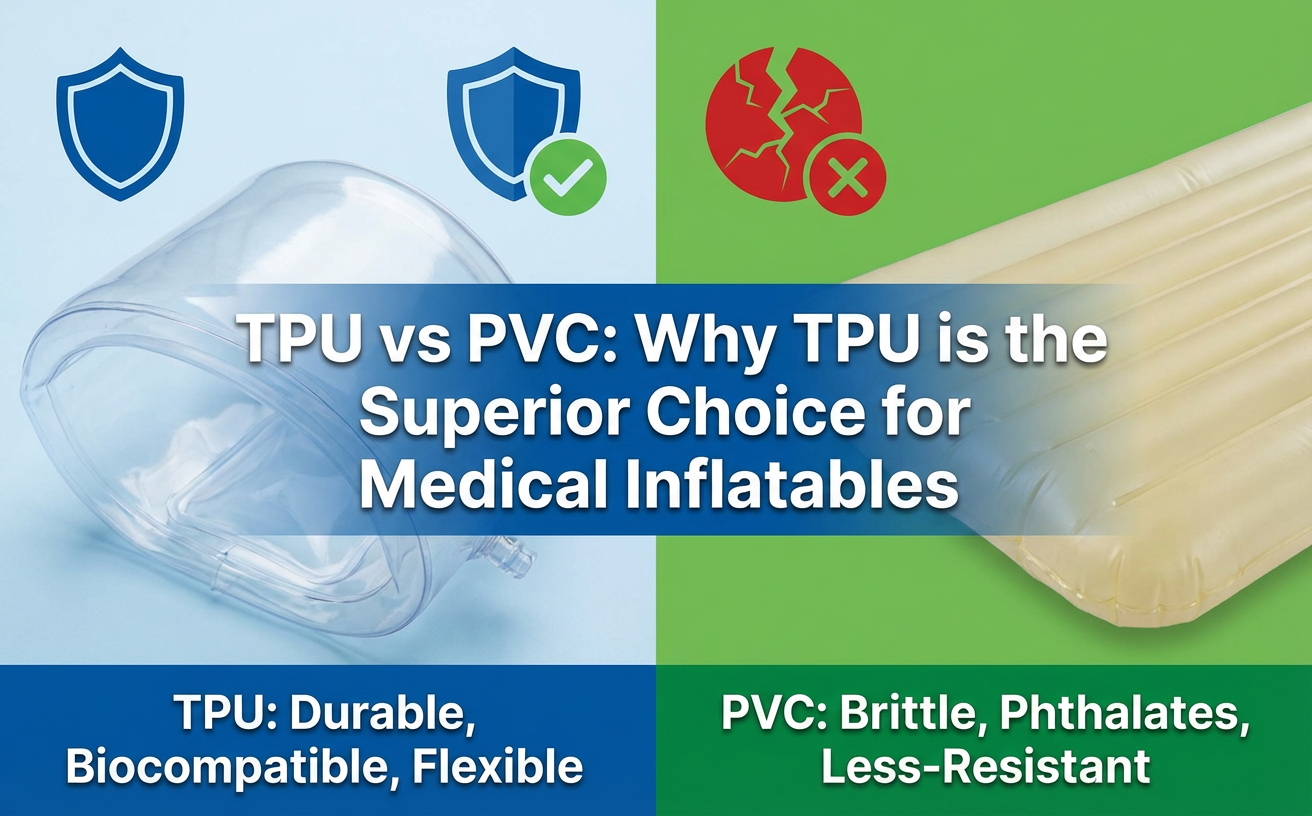
Trong các sản phẩm y tế bơm hơi, các vật liệu không thể thay thế cho nhau.
Một bình chứa oxy, một tấm đệm chống loét hoặc một hệ thống khí phục hồi chức năng đều phụ thuộc vào một điều: khả năng giữ áp suất một cách đáng tin cậy theo thời gian. Một rò rỉ chậm không phải là một lỗi nhỏ—nó ảnh hưởng trực tiếp đến hiệu suất, độ an toàn và kết quả điều trị cho bệnh nhân.
Trong nhiều năm, PVC vẫn là lựa chọn mặc định. Nó rẻ, có sẵn rộng rãi và dễ gia công. Đó là lý do tại sao nó vẫn xuất hiện trong rất nhiều sản phẩm cấp thấp hoặc có tuổi thọ ngắn.
Nhưng khi yêu cầu về hiệu suất tăng lên—tuổi thọ sử dụng dài hơn, sử dụng nhiều lần, tiêu chuẩn vệ sinh nghiêm ngặt hơn—những hạn chế của PVC bắt đầu bộc lộ.
Ngược lại, TPU không được chấp nhận vì nó mới. Nó được chấp nhận bởi vì nó giải quyết được những vấn đề mà PVC không thể giải quyết.
Cấu trúc vật liệu: Nơi sự khác biệt bắt đầu
Khoảng cách giữa TPU và PVC không bắt đầu từ thử nghiệm hiệu suất. Nó bắt đầu từ cấp độ phân tử.
PVC vốn là một polyme cứng. Để làm nó mềm dẻo, các nhà sản xuất thêm chất hóa dẻo. Những phân tử nhỏ này nằm giữa các chuỗi polyme, làm giảm độ cứng và cho phép chuyển động. Do đó, tính mềm dẻo của PVC không phải là bản chất—mà là do con người tạo ra.
TPU hoạt động theo cách khác. Nó được cấu tạo như một vật liệu phân đoạn, kết hợp các vùng mềm và cứng trong cùng một cấu trúc. Các đoạn mềm mang lại tính đàn hồi, trong khi các đoạn cứng duy trì độ bền và ổn định kích thước. Không cần chất hóa dẻo bên ngoài.
Sự khác biệt đó—sự sửa đổi bên ngoài so với thiết kế nội tại—giải thích phần lớn khoảng cách về hiệu suất thấy được trong các ứng dụng thực tế.
Hiệu suất kín khí trong điều kiện thực tế
Trong điều kiện phòng thí nghiệm, cả hai vật liệu đều có thể đạt được độ kín khí chấp nhận được ở giai đoạn đầu của vòng đời. Sự khác biệt xuất hiện theo thời gian.
PVC dần mất chất hóa dẻo. Quá trình này có thể bị đẩy nhanh bởi nhiệt, chu kỳ áp suất và tiếp xúc với không khí. Khi chất hóa dẻo di chuyển ra khỏi vật liệu, cấu trúc thay đổi. Màng trở nên cứng hơn, các vết nứt vi mô có thể phát triển và độ thấm tăng lên.
Về mặt thực tiễn, điều đó có nghĩa là:
- Khả năng giữ áp suất giảm dần theo thời gian
- Hiệu suất niêm phong trở nên kém tin cậy hơn
- Nguy cơ rò rỉ chậm tăng cao
TPU không phụ thuộc vào chất hóa dẻo, nên cơ chế suy thoái này không tồn tại. Cấu trúc của nó vẫn ổn định ngay cả sau nhiều chu kỳ bơm hơi, uốn cong và bảo quản lâu dài.
Đó là lý do tại sao TPU thường được lựa chọn cho các ứng dụng nơi sản phẩm phải giữ khí trong thời gian dài mà không cần giám sát.
Độ bền cơ học và khả năng chịu mỏi
Các sản phẩm bơm hơi y tế hiếm khi được sử dụng một lần. Chúng được bơm căng, xả hơi, gấp gọn, nén và bơm lại—đôi khi hàng nghìn lần.
Trong những điều kiện này, sự mỏi vật liệu trở thành yếu tố quan trọng.
PVC có xu hướng cứng lại khi già đi. Khi độ mềm dẻo giảm, ứng suất tập trung tại các đường gấp và mối hàn. Theo thời gian, điều này có thể dẫn đến nứt vỡ hoặc hỏng hóc, đặc biệt ở những vùng chịu lực cao.
TPU hoạt động giống như một elastomer hơn. Nó duy trì độ mềm dẻo trong phạm vi nhiệt độ và chu kỳ sử dụng rộng. Ngay cả sau nhiều lần biến dạng, nó vẫn trở về trạng thái ban đầu mà không bị hư hại vĩnh viễn.
Tác động thực tế rất rõ ràng: các sản phẩm TPU bền hơn trong sử dụng thực tế, chứ không chỉ trong thử nghiệm kiểm soát.
Độ tin cậy của mối hàn và đường may
Trong các cấu trúc bơm hơi y tế, đường may thường là điểm yếu nhất. Chỉ riêng hiệu suất vật liệu là chưa đủ—phương pháp nối cũng phải đáng tin cậy tương đương.
PVC thường được hàn bằng phương pháp hàn tần số cao (RF). Quy trình này đã trưởng thành và được sử dụng rộng rãi, nhưng nó phụ thuộc vào điều kiện vật liệu đồng nhất. Sự biến đổi về hàm lượng chất hóa dẻo hoặc quá trình lão hóa có thể ảnh hưởng đến chất lượng mối hàn.
TPU hỗ trợ nhiều phương pháp hàn, bao gồm hàn nhiệt và hàn tần số cao. Quan trọng hơn, TPU tạo ra các mối hàn chắc chắn và ổn định hơn vì bản thân vật liệu đồng nhất hơn.
Một mối hàn TPU được thực hiện tốt không chỉ là một kết nối. Nó trở thành một phần của cấu trúc, duy trì độ bền ngay cả dưới áp lực và chu kỳ áp suất lặp lại.
Các cân nhắc về môi trường và sức khỏe
Việc lựa chọn vật liệu trong các ứng dụng y tế không còn chỉ dựa trên hiệu suất. Các yếu tố môi trường và sức khỏe ngày càng quan trọng.
PVC chứa clo và thường cần các chất hóa dẻo như phthalates. Những chất phụ gia này có thể di chuyển theo thời gian, gây lo ngại trong các ứng dụng nhạy cảm, đặc biệt là những ứng dụng liên quan đến tiếp xúc lâu dài với con người.
TPU không cần chất hóa dẻo. Nó có thể được điều chỉnh để đáp ứng các yêu cầu y tế và quy định nghiêm ngặt, bao gồm mức phát thải VOC thấp và tiêu chuẩn tương thích sinh học.
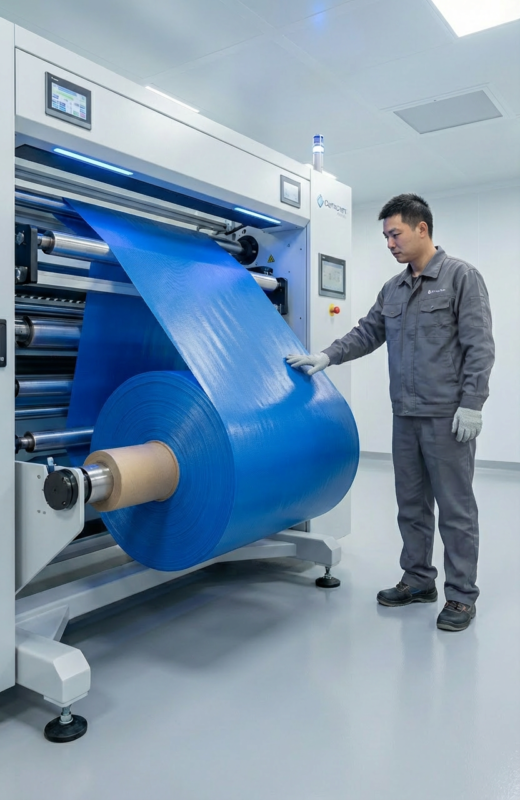
Từ góc độ sản xuất, quá trình xử lý TPU—đặc biệt là cán nhiệt—cũng có thể giảm nhu cầu sử dụng dung môi và chất kết dính, giúp môi trường sản xuất sạch hơn.
Bảng so sánh hiệu suất
Dưới đây là bảng so sánh thực tế dựa trên các yêu cầu thông thường đối với sản phẩm bơm hơi y tế:
| Tính chất | TPU | PVC |
|---|---|---|
| Độ ổn định kín khí | Tuyệt vời trong sử dụng lâu dài | Giảm dần theo thời gian |
| Khả năng duy trì độ mềm dẻo | Ổn định, không mất chất hóa dẻo | Giảm do sự di chuyển của chất hóa dẻo |
| Độ bền | Khả năng chịu mỏi cao | Dễ nứt vỡ sau khi lão hóa |
| Độ bền hàn | Mạnh mẽ và đồng nhất | Trung bình, bị ảnh hưởng bởi sự lão hóa của vật liệu |
| Khả năng chịu nhiệt độ | Dải hoạt động rộng | Hạn chế, trở nên cứng hơn ở nhiệt độ thấp |
| Tác động đến môi trường | Không có chất hóa dẻo, hàm lượng VOC thấp hơn | Chứa chất hóa dẻo và clo |
| Tuổi thọ sử dụng | Dài hạn | Ngắn đến trung hạn |
Chi phí so với giá trị: Một góc nhìn thực tế
Một lý do khiến PVC vẫn được sử dụng là giá thành. Tính trên mỗi mét, PVC rẻ hơn TPU. Đối với các sản phẩm dùng một lần hoặc có tuổi thọ rất ngắn, sự chênh lệch đó có thể xứng đáng để lựa chọn.
Tuy nhiên, đối với các thiết bị bơm hơi y tế tái sử dụng, cách tính toán thay đổi.
TPU giúp giảm:
- Tần suất thay thế
- Các vấn đề bảo trì
- Rủi ro liên quan đến hỏng hóc
Khi đánh giá toàn bộ vòng đời sản phẩm, TPU thường mang lại tổng chi phí thấp hơn, ngay cả khi giá nguyên liệu ban đầu cao hơn.
Điều này đặc biệt phù hợp trong môi trường bệnh viện, nơi độ tin cậy và tính đồng nhất ảnh hưởng trực tiếp đến hiệu quả vận hành.
Các trường hợp sử dụng điển hình: Nơi TPU tạo nên sự khác biệt
Sự chuyển đổi từ PVC sang TPU đã rõ rệt trong một số hạng mục sản phẩm y tế.
TPU thường được sử dụng trong:
- Hệ thống đệm khí chống loét
- Túi oxy và hô hấp
- Thiết bị phục hồi chức năng và nén
- Giá đỡ y tế bơm hơi tuổi thọ cao
PVC vẫn được tìm thấy trong:
- Thiết bị bơm hơi dùng một lần
- Sản phẩm y tế tiêu dùng giá rẻ
- Ứng dụng với chu kỳ sử dụng hạn chế
Mô hình rất rõ ràng: yêu cầu về hiệu suất càng cao thì TPU càng có khả năng trở thành vật liệu ưu tiên.
Khả năng tương thích trong gia công và ổn định sản xuất
Từ góc độ sản xuất, tính đồng nhất của vật liệu quan trọng không kém các đặc tính của vật liệu.
Công thức PVC có thể thay đổi tùy thuộc vào loại và hàm lượng chất hóa dẻo. Điều này có thể gây biến động trong quá trình gia công, đặc biệt là trong các công đoạn hàn và tạo hình.
TPU mang lại hành vi dễ dự đoán hơn. Các đặc tính của nó được tích hợp sẵn trong cấu trúc polymer, không cần điều chỉnh thông qua phụ gia. Điều này dẫn đến điều kiện gia công ổn định hơn và ít biến động giữa các lô hàng hơn.
Đối với các nhà sản xuất, điều này đồng nghĩa với:
- Chất lượng sản phẩm đồng đều hơn
- Tỷ lệ lỗi thấp hơn
- Kiểm soát quy trình tốt hơn
Độ tin cậy dài hạn trong bảo quản và sử dụng
Các sản phẩm y tế không phải lúc nào cũng được sử dụng ngay sau khi sản xuất. Một số được lưu trữ vài tháng hoặc thậm chí vài năm trước khi đưa vào sử dụng.
PVC có thể thay đổi trong quá trình bảo quản. Sự di chuyển của chất hóa dẻo vẫn diễn ra ngay cả khi sản phẩm không được sử dụng. Điều này có thể dẫn đến tình trạng cứng lại, thay đổi bề mặt hoặc giảm hiệu suất trước khi sản phẩm được triển khai.
TPU duy trì ổn định trong quá trình bảo quản. Các đặc tính của nó không phụ thuộc vào các thành phần dễ bay hơi, vì vậy nó giữ được độ mềm dẻo và hiệu suất theo thời gian.
Tính ổn định này đặc biệt quan trọng đối với các thiết bị y tế khẩn cấp và hệ thống tồn kho, nơi độ tin cậy phải được đảm bảo.
So sánh giữa TPU và PVC không phải là thay thế vật liệu này bằng vật liệu kia ở mọi nơi. Đó là việc lựa chọn đúng vật liệu cho đúng mức độ hiệu suất.
PVC vẫn còn chỗ đứng trong các ứng dụng nhạy cảm về giá thành và tuổi thọ ngắn. Nhưng trong các thiết bị bơm hơi y tế, nơi độ kín khí, độ bền và độ tin cậy lâu dài là yếu tố then chốt, những hạn chế của PVC trở nên rõ ràng.
TPU khắc phục những hạn chế này ở cấp độ cấu trúc. Nó không phụ thuộc vào phụ gia để hoạt động. Nó được thiết kế để hoạt động tốt.
Đó là lý do tại sao ngày càng nhiều nhà sản xuất chuyển sang TPU—không phải như một xu hướng, mà như một quyết định thực tế dựa trên hiệu suất, tính đồng nhất và giá trị vòng đời.
Lời kêu gọi hành động cuối cùng
Nếu ứng dụng của bạn yêu cầu:
- Hiệu suất kín khí đáng tin cậy
- Tuổi thọ sử dụng lâu dài
- Tính chất vật liệu đồng nhất
Thì việc xem xét kỹ hơn các giải pháp dựa trên TPU là điều đáng để làm.
Hãy liên hệ với đội ngũ kỹ thuật của chúng tôi để yêu cầu bảng dữ liệu kỹ thuật hoặc thảo luận về ứng dụng cụ thể của bạn.
 English
  Spanish
  Italian
  Korean
  French
  Japanese
  Arabic
  Portuguese
  Vietnamese
  German
  Turkish
  Belarusian