


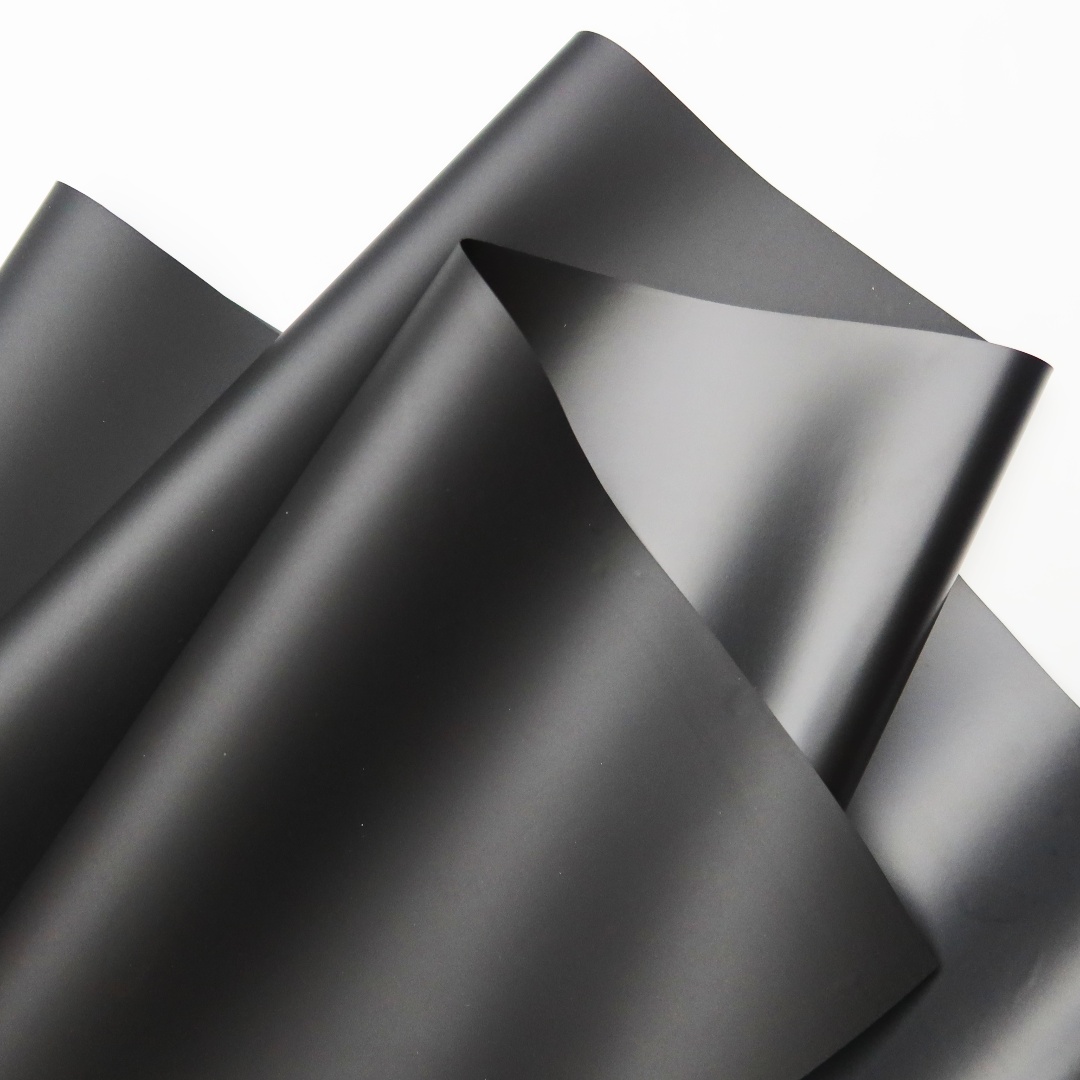
En cada dispositivo médico neumático, hay un componente que rara vez recibe atención pública pero que influye directamente en la seguridad del producto, la estabilidad de la presión y la vida útil: la cámara de aire flexible.
Ya sea un manguito de torniquete quirúrgico, una manga de compresión secuencial, una férula de rehabilitación inflable o una férula de emergencia, el rendimiento de todo el dispositivo depende de un requisito simple: la cámara debe mantener la presión exactamente como está diseñada.
Una pequeña pérdida de presión puede parecer insignificante en pruebas de laboratorio, pero en la práctica clínica puede afectar la precisión de la compresión, la comodidad del paciente y la consistencia del tratamiento. Para los fabricantes, incluso un pequeño porcentaje de fugas puede llevar a inspecciones adicionales de calidad, retiradas de productos, reclamaciones de garantía o rediseños costosos.
Muchos de estos problemas no son causados por el sistema neumático en sí. Comienzan con el material seleccionado para construir la cámara inflable.
Durante años, los fabricantes recurrieron a películas TPU de uso general, películas de PVC o tejidos revestidos porque eran fácilmente disponibles y sencillos de procesar. Aunque estos materiales pueden funcionar adecuadamente en aplicaciones industriales ligeras, los dispositivos médicos operan bajo expectativas muy diferentes. Cada lote de producción debe ser consistente. Cada costura soldada debe soportar ciclos repetidos de inflación. Cada material debe seguir funcionando después de limpieza, transporte, almacenamiento y uso a largo plazo.
Es por eso que los fabricantes de dispositivos médicos se han ido desplazando gradualmente hacia película TPU de grado médico, especialmente las construcciones más gruesas que ofrecen un mejor equilibrio entre flexibilidad y estabilidad estructural.
Entre las opciones de grosor disponibles, Película TPU negra de 0,25 mm de grado médico se ha convertido en una de las elecciones más adoptadas para manguitos de torniquetes quirúrgicos y otros productos médicos neumáticos. No es porque las películas más gruesas sean siempre más resistentes, ni porque el color negro sea simplemente preferido. La preferencia proviene de una combinación de consideraciones de ingeniería, eficiencia de fabricación y confiabilidad a largo plazo.
Este artículo explica por qué la película TPU negra de 0,25 mm de grado médico se ha convertido en el material preferido para cámaras médicas inflables, cómo se comporta de manera diferente a las películas TPU estándar y qué deben evaluar los fabricantes antes de seleccionar un proveedor de películas.
La selección de materiales tiene un impacto mayor del que la mayoría de los fabricantes espera
El desarrollo de un dispositivo médico neumático suele comenzar con discusiones sobre válvulas, bombas, sensores o sistemas de control de presión. Estos componentes son ciertamente importantes, pero solo pueden funcionar tan bien como lo permita la cámara de aire.
La cámara flexible es responsable de contener la presión mientras se adapta continuamente al movimiento. A diferencia de las carcasas rígidas de plástico, se expande y contrae miles de veces durante su vida útil. Cada ciclo de inflación estira la película. Cada ciclo de desinflación le permite recuperarse. Durante la limpieza y el transporte, se dobla repetidamente. Durante el almacenamiento, experimenta cambios de temperatura y humedad.
Estas condiciones crean un entorno exigente para cualquier película polimérica.
Una película que funciona bien durante las pruebas iniciales puede perder estabilidad gradualmente después de cientos o miles de ciclos de presión. La deformación microscópica, la fatiga del material o la inconsistencia en la calidad de las soldaduras suelen desarrollarse mucho antes de que aparezcan daños visibles.
Por eso, los fabricantes experimentados de dispositivos médicos rara vez evalúan la película TPU basándose únicamente en valores de resistencia a la tracción o elongación mostrados en una hoja técnica.
En cambio, hacen preguntas más prácticas.
¿El material mantendrá una presión de aire estable tras inflaciones repetidas?
¿Puede cada lote de producción lograr la misma consistencia en las soldaduras?
¿La película sigue siendo flexible tras la esterilización o el almacenamiento a largo plazo?
¿Seguirá funcionando tras el transporte en diferentes condiciones climáticas?
Estas preguntas se centran en la confiabilidad más que en las especificaciones.
La película TPU de grado médico está desarrollada específicamente para este tipo de aplicación. En comparación con la TPU industrial estándar, se pone mayor énfasis en la consistencia de la formulación, la limpieza durante la fabricación, la biocompatibilidad y la estabilidad en el procesamiento. Se espera que cada lote de producción tenga un rendimiento predecible, ya que los dispositivos médicos no pueden tolerar variaciones innecesarias.
La consistencia a menudo se vuelve más valiosa que alcanzar la propiedad mecánica individual más alta.
Por qué 0,25 mm se ha convertido en el grosor preferido
Una de las preguntas más comunes de los ingenieros de productos es sorprendentemente sencilla:
¿Por qué no usar una película más delgada para reducir peso y costo?
A primera vista, elegir una película TPU más delgada parece lógico. Menos material significa menor consumo de materiales y potencialmente menores costos de producción.
Sin embargo, los productos médicos neumáticos rara vez se diseñan solo teniendo en cuenta el costo del material.
El grosor influye en mucho más que en la resistencia mecánica.
Afecta la presión de ruptura.
Afecta la consistencia de las soldaduras.
Afecta la resistencia a perforaciones.
También afecta cómo se comporta la cámara después de miles de ciclos de inflación.
Las películas TPU muy delgadas, como de 0,10 mm o 0,15 mm, ofrecen excelente flexibilidad. Se usan ampliamente en productos desechables ligeros donde la presión de operación es relativamente baja y la vida útil es limitada.
Los manguitos de torniquete quirúrgico operan en condiciones muy diferentes.
La vejiga experimenta presurizaciones repetidas mientras mantiene una compresión estable alrededor de la extremidad del paciente. Durante el uso, se desarrollan tensiones localizadas cerca de áreas dobladas, uniones soldadas, interfaces de tubos y esquinas. Una película más delgada concentra la tensión en una sección transversal más pequeña, aumentando la posibilidad de fatiga con el tiempo.
Aumentar el grosor a 0,25 mm cambia la distribución de la tensión.
En lugar de permitir que la deformación se concentre en lugares aislados, la película más gruesa distribuye la carga mecánica de manera más uniforme por toda la superficie de la cámara. Esto reduce la tensión localizada y mejora la resistencia a la fatiga sin hacer que la cámara sea excesivamente rígida.
Desde una perspectiva de fabricación, la diferencia es igualmente importante.
La soldadura por alta frecuencia requiere suficiente material fundido para formar una unión continua. Las películas extremadamente delgadas tienen una ventana de procesamiento más estrecha. Pequeñas variaciones en la presión de soldadura o en el tiempo de permanencia pueden afectar la calidad de la costura.
Una película de 0,25 mm proporciona una mayor tolerancia al proceso.
Los fabricantes suelen lograr soldaduras más consistentes con menos ajustes, reduciendo las tasas de desperdicio y mejorando la eficiencia de producción.
Esta ventaja se vuelve especialmente valiosa en la fabricación a gran escala, donde la repetibilidad influye directamente en el costo de producción. Equilibrar flexibilidad y estabilidad estructural
Un error común es que la película TPU más gruesa siempre reduce la flexibilidad.
En realidad, la flexibilidad depende de varios factores, incluyendo la formulación del polímero, la dureza y las condiciones de procesamiento.
La TPU de grado médico mantiene una excelente elasticidad incluso a 0,25 mm.
En lugar de sentirse rígido, se dobla suavemente mientras proporciona soporte estructural adicional.
Este equilibrio explica por qué muchos productos médicos neumáticos reutilizables eligen la especificación de 0,25 mm.
Es lo suficientemente flexible como para adaptarse cómodamente a diferentes formas corporales, al mismo tiempo que es lo suficientemente duradero para resistir un uso clínico repetido.
El resultado es un material que respalda tanto la comodidad del paciente como la longevidad del producto.
Por qué se prefiere la película de TPU negra en dispositivos médicos
El color de la película de TPU suele considerarse una decisión estética.
En la fabricación médica, va mucho más allá de eso.
Las películas transparentes de TPU siguen siendo populares para aplicaciones que requieren inspección visual de componentes internos. Sin embargo, las cámaras médicas inflables suelen tener prioridades diferentes.
La película de TPU negra proporciona opacidad total, evitando que la luz externa llegue a las estructuras internas.
Para productos que incorporan materiales o componentes sensibles a la luz, esta protección adicional puede contribuir a una mayor estabilidad a largo plazo.
La opacidad también mejora el aspecto.
Los dispositivos médicos frecuentemente son sometidos a limpieza, transporte y manipulación repetidos. Las películas transparentes tienden a revelar partículas de polvo internas, arañazos menores, residuos de adhesivo o marcas de ensamblaje que tienen poco efecto sobre el rendimiento pero pueden influir negativamente en la calidad percibida.
La película negra presenta un aspecto más limpio y uniforme durante toda la vida útil del producto.
Muchos hospitales también aprecian las ventajas prácticas de mantenimiento.
La contaminación superficial se vuelve más fácil de identificar durante la inspección, mientras que la decoloración causada por la limpieza repetida es menos visible que en materiales de colores claros.
Aunque estos factores no mejoran directamente el rendimiento mecánico, contribuyen a una presentación más profesional del producto, especialmente para dispositivos médicos reutilizables.
El color no cambia el rendimiento—la formulación sí lo hace
Aquí hay que hacer una distinción importante.
La película de TPU negra no es automáticamente más fuerte que la película de TPU transparente.
El rendimiento depende de la formulación del polímero, la tecnología de procesamiento y la calidad de fabricación—no solo del color.
La película de TPU negra de grado médico combina una pigmentación cuidadosamente controlada con una formulación diseñada específicamente para procesamiento médico.
Los pigmentos están dispersos uniformemente en todo el material, manteniendo un grosor y características de soldadura consistentes sin crear puntos débiles en la película.
Esto permite a los fabricantes obtener las ventajas visuales de la película negra sin sacrificar el rendimiento hermético ni la calidad de las soldaduras.
Para dispositivos médicos neumáticos, esa consistencia es en última instancia mucho más importante que el propio color.
Película de TPU de grado médico frente a película de TPU estándar
Al buscar película de TPU, muchos compradores descubren rápidamente que productos con espesores similares suelen tener precios muy diferentes. En papel, pueden parecer casi idénticos. Un proveedor puede indicar el mismo grosor, dureza, resistencia a la tracción y elongación, lo que dificulta entender por qué un material cuesta considerablemente más que otro.
La diferencia suele estar en lo que la hoja de especificaciones no muestra.
La película de TPU de uso general se fabrica para una amplia gama de productos industriales donde pequeñas variaciones entre lotes de producción son aceptables. Juguetes inflables, bienes de consumo, cubiertas protectoras y películas de embalaje tienen expectativas de rendimiento diferentes a las de dispositivos médicos. Una ligera variación en el grosor de la película o en el comportamiento de soldadura puede tener poco impacto en estas industrias.
Las aplicaciones médicas son mucho menos tolerantes.
Se espera que un manguito de torniquete neumático proporcione presión constante durante cada procedimiento. Las mangas de compresión deben inflarse repetidamente sin desarrollar fugas ni costuras débiles. Los dispositivos de rehabilitación suelen permanecer en servicio durante años, requiriendo un rendimiento estable mucho después de la producción.
Por estas razones, la película de TPU de grado médico pone mayor énfasis en la consistencia de fabricación que en los valores mecánicos principales.
Las materias primas se seleccionan con un control de calidad más estricto. La extrusión de la película se monitorea para reducir la variación de grosor en todo el rollo. Se presta mayor atención a la limpieza de la superficie porque incluso la contaminación microscópica puede influir en la calidad de las soldaduras. La trazabilidad por lote también es parte esencial de la producción, permitiendo a los fabricantes identificar el historial del material cuando sea necesario.
Estos detalles pueden no aparecer en un folleto, pero influyen directamente en la eficiencia de producción y la confiabilidad del producto terminado.
La siguiente comparación ilustra las diferencias prácticas.
| Película de TPU estándar | Película de TPU de grado médico |
|---|---|
| Formulación industrial general | Formulada para aplicaciones en dispositivos médicos |
| Adecuada para fabricación general | Producida bajo un control de calidad más estricto |
| La variación de grosor puede fluctuar más | Mejor consistencia de grosor |
| Soldabilidad adecuada | Rendimiento estable y repetible en soldadura HF y térmica |
| Documentación limitada | Mejor trazabilidad de producción y soporte para cumplimiento normativo |
Por lo tanto, la película de TPU de grado médico no es simplemente una versión más cara de la TPU estándar. Es un material desarrollado para aplicaciones donde la repetibilidad es tan importante como la resistencia.
Por qué la calidad de soldadura determina la fiabilidad de los manguitos de torniquete quirúrgico
La selección de materiales es solo una parte de la ecuación.
Incluso la película de TPU de la más alta calidad no puede compensar una mala construcción de las costuras.
Los ingenieros que han trabajado con productos médicos inflables saben que las fallas rara vez comienzan en el medio de la película. La mayoría comienza donde se unen dos piezas de material.
Por eso, la soldadura merece tanta atención como la propia película.
A diferencia de los ensamblajes cosidos, las cámaras neumáticas dependen completamente de uniones soldadas para contener la presión interna. Cada ciclo de inflación transfiere estrés directamente a la costura. Si la calidad de la soldadura es inconsistente, pueden formarse canales microscópicos dentro de la unión. Estos canales suelen ser demasiado pequeños para detectarse durante una inspección visual, pero permiten una fuga gradual de aire durante el uso repetido.
La película TPU de grado médico está formulada específicamente para producir soldaduras estables utilizando tecnologías de soldadura por alta frecuencia (HF) o soldadura térmica.
Durante la soldadura, las capas de polímero se funden entre sí y se convierten en una estructura continua en lugar de dos láminas separadas unidas por adhesivo. Una vez enfriada, la unión se comporta casi igual que el material circundante, creando una cámara sellada capaz de mantener la presión bajo condiciones exigentes.
Para los fabricantes, esto proporciona varias ventajas prácticas.
La producción se vuelve más fácil de controlar porque la ventana de soldadura es más estable. Los operarios gastan menos tiempo ajustando el equipo para cada lote de producción, mientras que los sistemas de soldadura automatizados logran resultados más consistentes a lo largo de largas jornadas de producción.
Para los diseñadores de productos, la soldabilidad confiable ofrece mayor libertad al desarrollar la geometría de las cámaras. Se pueden crear formas inflables complejas sin depender de componentes adicionales de sellado, simplificando el ensamblaje y reduciendo los puntos potenciales de falla.
En última instancia, un dispositivo médico neumático solo es tan confiable como su soldadura más débil.
Seleccionar la película TPU correcta ayuda a garantizar que la costura siga siendo una de las partes más fuertes del producto en lugar de su punto más débil.
Rendimiento que importa más allá de las pruebas de laboratorio
Las hojas de datos técnicos proporcionan información valiosa, pero rara vez cuentan toda la historia.
Un dispositivo médico no funciona en condiciones ideales de laboratorio. Experimenta transporte, almacenamiento, inflaciones repetidas, limpieza y manejo continuo por parte de profesionales de la salud.
Por esa razón, los fabricantes evalúan cada vez más la película TPU según su rendimiento a largo plazo en lugar de valores aislados de laboratorio.
Una película TPU de 0,25 mm de grado médico suele ofrecer una combinación de propiedades que soporta aplicaciones neumáticas exigentes.
| Tejido recubierto con PVC | Rendimiento típico |
|---|---|
| Grosor de la película | 0,25 mm |
| Rendimiento hermético | Excelente retención de aire a largo plazo |
| Soldabilidad | Compatible con soldadura HF y térmica |
| Un recubrimiento flexible permite que el tejido se doble naturalmente sin agrietarse ni desarrollar fatiga superficial. | Alta flexibilidad sin agrietamiento |
| Por esta razón, la resistencia a los rasgados es un indicador importante de la durabilidad del material. | Alta resistencia a la propagación |
| Resistencia a perforaciones | Mejorada respecto a películas más delgadas |
| Compatibilidad con limpieza | Resistente a desinfectantes médicos comunes |
| Compatibilidad con esterilización | Apto para métodos seleccionados de esterilización como EtO y Gamma (sujeto a validación) |
Lo que hace valiosas estas propiedades es cómo funcionan en conjunto.
Una mayor resistencia a perforaciones reduce daños accidentales durante el ensamblaje.
La flexibilidad estable permite que las cámaras inflables se doblen repetidamente sin crear concentraciones de tensión.
La soldabilidad confiable minimiza defectos de producción.
Un buen rendimiento hermético ayuda a mantener una presión interna constante durante toda la vida útil prevista del producto.
En lugar de optimizar una sola característica, la película TPU de grado médico ofrece un rendimiento equilibrado en múltiples requisitos.
Ese equilibrio es precisamente lo que buscan los fabricantes al desarrollar productos que deben funcionar de manera confiable todos los días.
Aplicaciones típicas más allá de los manguitos de torniquete quirúrgico
Aunque los manguitos de torniquete quirúrgico siguen siendo una de las aplicaciones más comunes, la película negra TPU de 0,25 mm de grado médico sirve para muchos otros dispositivos médicos neumáticos.
Las mangas de compresión secuencial utilizadas para la prevención de trombosis venosa profunda dependen de múltiples cámaras inflables que funcionan en secuencia. Una soldadura consistente y un rendimiento hermético confiable ayudan a mantener ciclos de compresión precisos durante todo el tratamiento.
Las ortesis inflables de rehabilitación requieren cámaras de aire flexibles que puedan soportar inflaciones repetidas mientras permanecen cómodas para los pacientes durante el uso a largo plazo.
Las férulas de emergencia también se benefician de la película TPU porque deben mantenerse ligeras, portátiles y confiables bajo condiciones exigentes. Sus estructuras inflables necesitan resistir perforaciones mientras mantienen suficiente flexibilidad para un despliegue rápido.
Los colchones médicos diseñados para la redistribución de presión utilizan múltiples cámaras de aire interconectadas que funcionan continuamente durante períodos prolongados. Las propiedades estables de barrera ayudan a mantener el equilibrio de presión y reducen los requerimientos de mantenimiento.
Fuera de entornos tradicionales de atención médica, los sistemas de torniquetes veterinarios, equipos de rehabilitación, dispositivos neumáticos de laboratorio y cubiertas médicas protectoras se benefician todos de la misma combinación de flexibilidad, soldabilidad y durabilidad.
Aunque los productos difieren, el desafío de ingeniería sigue siendo notablemente similar.
Toda aplicación depende de una cámara flexible capaz de contener aire de forma segura y consistente.
Por qué los fabricantes eligen Xianglong
Seleccionar el material adecuado es solo una parte del proyecto. Elegir un proveedor capaz de ofrecer calidad constante a lo largo de la vida útil del producto es igualmente importante.
En Wuxi Xianglong Polymer Fabric Co., Ltd., entendemos que los fabricantes médicos no están simplemente comprando película TPU. Están seleccionando un material que se convierte en parte de un dispositivo médico regulado.
Esa responsabilidad moldea nuestra forma de abordar la producción.
Operating from a modern manufacturing facility covering more than 9,167 square meters, supported by over 15 years of industry experience, we manufacture TPU films and TPU coated fabrics for customers serving medical, outdoor, industrial, and safety markets worldwide.
Our production focuses on more than meeting specification sheets.
We pay close attention to thickness consistency, surface quality, weldability, and airtight performance because these factors directly affect manufacturing efficiency and final product reliability.
Our engineering team also works closely with customers during material selection.
Some applications require maximum flexibility.
Others prioritize burst strength, puncture resistance, or compatibility with specific welding equipment.
Instead of recommending a single solution for every project, we help manufacturers identify the film structure that best matches their product design, production process, and performance targets.
This application-focused approach has enabled our materials to support inflatable medical devices, pressure therapy systems, protective equipment, and many other pneumatic products used around the world.
Medical devices demand more from polymer films than most industrial applications ever will.
They require materials that perform consistently, weld reliably, retain pressure over thousands of inflation cycles, and continue meeting strict quality expectations throughout the product’s lifecycle.
That is why medical-grade 0.25mm black TPU film has become the preferred choice for surgical tourniquet cuffs and many other pneumatic medical devices.
Its value is not defined by thickness alone.
It comes from the balance between flexibility and durability, the consistency of its welding performance, and the confidence that manufacturers gain from using a material engineered specifically for medical applications.
As medical devices continue evolving toward higher reliability and longer service life, material selection will remain one of the most important engineering decisions during product development.
En Xianglong, we believe every reliable pneumatic device begins with a reliable material. By combining stable manufacturing processes, application expertise, and strict quality control, we help customers build products that perform consistently from the first inflation cycle to the last.
Whether you are developing a new surgical tourniquet cuff, upgrading an existing compression therapy system, or looking for a dependable TPU film supplier, choosing the right material today can reduce production challenges and improve product performance for years to come.
 English
  Spanish
  Italian
  Korean
  French
  Japanese
  Arabic
  Portuguese
  Vietnamese
  German
  Turkish
  Belarusian