


In hospitals, rehabilitation centers, nursing homes and home healthcare environments, anti-decubitus mattresses play an essential role in reducing the risk of pressure injuries for patients who spend extended periods in bed. While caregivers often focus on the mattress’s pressure-relief performance, comfort and ease of cleaning, manufacturers understand that these characteristics are influenced long before the finished product reaches a hospital ward.
One of the earliest and most important decisions in product development is selecting the right coated fabric.
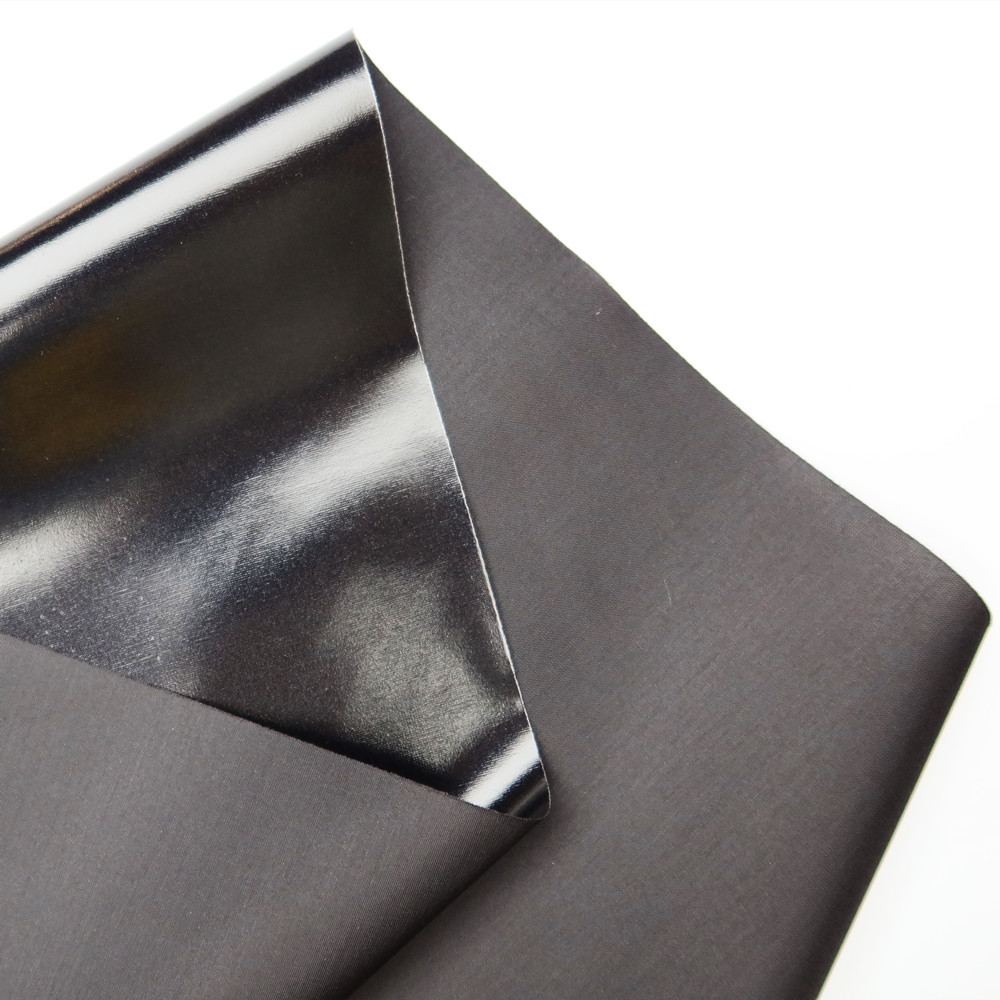
For many years, PVC-coated fabrics have been widely used in alternating pressure mattresses because they offer dependable airtight performance, mature manufacturing processes and competitive production costs. More recently, TPU-coated fabrics have attracted growing attention as medical equipment manufacturers pursue lighter products, longer service life and more sustainable material solutions.
As a result, a common question appears during almost every new development project:
Should the next generation of anti-decubitus mattresses continue using PVC-coated fabric, or is TPU-coated fabric the better choice?
The answer is more complex than comparing two material data sheets.
Experienced product managers rarely begin by asking which material has higher tensile strength or greater elongation. Instead, they first examine the clinical environment, the intended service life, manufacturing capability, regulatory requirements and the expectations of healthcare providers.
The coated fabric is one part of a complete pressure-relief system that also includes air cell design, welding quality, inflation control, valve reliability and overall structural engineering.
Choosing the right material therefore means understanding how each option supports the performance of the finished medical device rather than evaluating material properties in isolation.

Material Selection Begins with Clinical Requirements
A common mistake during product development is comparing PVC and TPU without first defining where the mattress will be used.
Medical products are designed to solve clinical problems, not simply to showcase material performance.
An anti-decubitus mattress used in an intensive care unit operates under very different conditions from one intended for homecare or short-term rehabilitation.
Each environment places unique demands on the coated fabric.
Intensive Care Units Prioritize Continuous Reliability
Patients in intensive care often remain on pressure-relief mattresses for extended periods with minimal interruption.
The mattress may operate continuously for weeks while maintaining stable air pressure through repeated inflation and deflation cycles.
In this environment, manufacturers pay particular attention to:
- Long-term airtight performance
- Stable welded seams
- Resistance to repeated cleaning and disinfection
- Consistent pressure redistribution
- Reliable mechanical durability
Material selection must support uninterrupted operation rather than occasional use.
Nursing Homes Balance Performance and Cost
Long-term care facilities frequently manage hundreds of beds while operating within fixed budgets.
Purchasing decisions often consider the total cost of ownership instead of focusing exclusively on premium material specifications.
For these applications, manufacturers evaluate factors such as:
- Service life
- Ease of maintenance
- Repairability
- Manufacturing consistency
- Replacement cost
A material offering slightly higher technical performance may not always provide greater value if it significantly increases manufacturing expenses.
Home Healthcare Creates Different Priorities
Homecare products introduce another set of requirements.
Unlike hospital staff, home users generally have limited technical knowledge.
Products should therefore be:
- Lightweight
- Quiet during operation
- Comfortable during long-term use
- Easy to transport
- Simple to clean
These priorities influence not only mattress design but also the selection of coated fabrics.
How Anti-Decubitus Mattresses Actually Work
Before comparing materials, it is important to understand how an anti-decubitus mattress functions.
Despite the wide variety of commercial designs available today, most dynamic pressure-relief mattresses share the same operating principle.
Instead of supporting the patient’s weight with a fixed surface, the mattress continually adjusts pressure distribution by controlling the inflation and deflation of multiple interconnected air cells.
This process reduces prolonged pressure on vulnerable areas of the body and helps improve blood circulation.
Air Cells Form the Core of the Mattress
Every alternating pressure mattress contains a series of inflatable air chambers.
These air cells repeatedly expand and contract according to programmed inflation cycles generated by an external air pump.
Because each chamber experiences continuous movement throughout its service life, the coated fabric must tolerate repeated flexing without losing its airtight performance.
Unlike static protective covers, mattress fabrics function as dynamic structural components.
Their performance directly influences the stability of the entire pressure-relief system.
Thousands of Inflation Cycles Every Year
Many people underestimate the workload experienced by a medical air mattress.
Depending on operating settings, an air cell may inflate and deflate every few minutes.
Over several years of clinical use, the number of pressure cycles can easily reach hundreds of thousands.
During every cycle, the material experiences:
- Internal air pressure
- Repeated bending
- Surface friction
- Localized stress around welded seams
- Continuous mechanical fatigue
For product managers, durability is therefore evaluated over the complete operating life rather than through a single laboratory test.
The Fabric Supports More Than Air Retention
A common misconception is that the coated fabric only needs to prevent air leakage.
In reality, it performs several functions simultaneously.
It must provide:
- Airtightness
- Mechanical support for air cells
- Flexibility during inflation
- Compatibility with HF or RF welding
- Resistance to hospital cleaning chemicals
- Dimensional stability during manufacturing
Improving one characteristic while compromising another rarely produces a better medical product.
Successful mattress development depends on achieving a balanced combination of these properties.
Why PVC-Coated Fabric Continues to Be Widely Used
Although TPU receives increasing attention within the medical textile industry, PVC-coated fabric remains one of the most widely used materials for anti-decubitus mattress manufacturing.
Its continued popularity is not based on tradition alone.
It reflects decades of manufacturing experience and proven field performance.
Mature Manufacturing Processes
Many mattress manufacturers have optimized their production lines around PVC-coated fabrics.
Over time, they have established reliable processes for:
- Material cutting
- HF welding
- Valve assembly
- Air leakage testing
- Quality inspection
Because these production systems have been refined over many years, manufacturers can achieve stable product quality while maintaining efficient production schedules.
Changing to a different material requires careful evaluation of equipment compatibility, process parameters and production consistency.
Excellent HF Welding Compatibility
One reason PVC has remained successful is its excellent compatibility with high-frequency welding.
Properly controlled welding parameters allow manufacturers to produce strong, continuous airtight seams suitable for medical inflatable products.
Since every air chamber depends on reliable welded joints, consistent welding performance contributes directly to the long-term reliability of the finished mattress.
For large-volume production, this manufacturing stability remains a significant advantage.
Competitive Manufacturing Costs
Material selection always involves commercial considerations.
PVC-coated fabrics generally provide a cost-effective balance between performance and production efficiency.
For manufacturers supplying hospitals, distributors and public healthcare projects where budget remains an important purchasing factor, this balance often supports highly competitive product pricing.
Lower material costs also allow manufacturers to invest additional resources in pump technology, control systems or product testing without substantially increasing the overall manufacturing cost.
Proven Performance Across Large Production Volumes
Medical equipment manufacturers value predictability.
A material that consistently performs well over many years reduces production risk and simplifies quality management.
PVC-coated fabrics have accumulated extensive application experience across:
- Alternating pressure mattresses
- Static air mattresses
- Medical wheelchair cushions
- Rehabilitation support systems
- Inflatable positioning devices
This established manufacturing history continues to give PVC an important role in the medical air mattress industry.
Why More Premium Anti-Decubitus Mattresses Are Choosing TPU-Coated Fabric
While PVC-coated fabric continues to serve a large portion of the medical mattress market, product development priorities have gradually evolved over the past decade. Manufacturers supplying premium healthcare brands are no longer evaluating materials solely by production cost. They are also considering product positioning, lifecycle performance, environmental expectations and long-term user experience.
This shift has encouraged more companies to evaluate TPU-coated fabrics for specific anti-decubitus mattress projects.
It is important to note that TPU is not replacing PVC in every application. Instead, it is expanding the range of material options available to manufacturers seeking different performance characteristics.
Longer Service Life Supports Premium Product Positioning
For mattresses intended for continuous use in hospitals or long-term care facilities, service life has become an increasingly important design objective.
Replacing a damaged mattress involves more than purchasing a new product. It also creates maintenance work, equipment downtime and additional logistics.
Many manufacturers therefore focus on extending the operational life of each mattress through improvements in material performance, welding quality and structural design.
When properly specified, TPU-coated fabric can provide excellent flexibility and mechanical stability during repeated inflation cycles, making it suitable for products positioned toward longer service intervals.
Better Flexibility Improves User Experience
Air cells are constantly expanding and contracting.
As these movements continue throughout the product’s lifetime, the coated fabric repeatedly bends, folds and returns to its original shape.
Materials with stable flexibility help reduce unnecessary stress concentrations around welded areas and curved chamber transitions.
For product managers, flexibility is not simply a material specification.
It directly influences how naturally the mattress responds to pressure redistribution while helping maintain patient comfort.
Growing Interest in PVC-Free Medical Products
Environmental policies differ between countries, hospitals and procurement organizations.
Although PVC remains widely accepted in medical applications, some healthcare projects have begun evaluating PVC-free alternatives as part of broader sustainability initiatives.
For manufacturers exporting to multiple international markets, developing TPU-based product lines provides additional flexibility when responding to different customer requirements.
This trend is driven by market positioning rather than suggesting that every medical product should abandon PVC.
Supporting Future Product Development
Premium medical equipment increasingly combines several objectives within a single product:
- Lower overall weight
- Longer service life
- Improved patient comfort
- Stable welding performance
- Modern environmental positioning
When these objectives align with the capabilities of TPU-coated fabric, manufacturers may view TPU as an investment in future product development rather than simply a replacement material.The Mattress Performs as a System, Not as a Fabric
One of the most common misconceptions in medical mattress development is assuming that changing the coated fabric will automatically improve product performance.
In reality, anti-decubitus mattresses operate as complete engineering systems.
The finished product depends on the interaction of multiple components working together.
These include:
- Coated fabric
- Air cell structure
- Welding quality
- Air pump performance
- Control algorithm
- Valve reliability
- Internal airflow distribution
Optimizing only one element rarely produces a significant improvement if the remaining components remain unchanged.
Air Cell Geometry Influences Pressure Redistribution
Two mattresses may use exactly the same coated fabric while delivering completely different clinical performance.
The reason often lies in air cell design.
Cell height, chamber width, internal partition layout and inflation sequence all influence how body pressure is redistributed.
A carefully engineered chamber structure can often improve patient support more effectively than simply increasing fabric thickness.
Welding Quality Protects Long-Term Airtight Performance
Every inflation cycle places stress on welded seams.
If seam quality is inconsistent, even the highest-grade coated fabric cannot prevent gradual air leakage.
This is why experienced manufacturers validate welding parameters with the same level of attention given to incoming material inspection.
Material selection and welding technology should always be evaluated together.
Pump Algorithms Matter More Than Many Expect
Modern alternating pressure mattresses rely on intelligent inflation patterns.
Cycle timing, pressure adjustment and airflow control influence both therapeutic performance and patient comfort.
An advanced pump system paired with a poorly designed air chamber will never achieve its full potential.
Likewise, premium coated fabric cannot compensate for unstable pressure control.
From a product manager’s perspective, every subsystem contributes to overall product performance.
Comparing PVC and TPU from a Product Manager’s Perspective
Technical data sheets provide useful information, but product managers often evaluate materials using a much broader set of criteria.
The goal is not simply to select the strongest fabric.
It is to choose the material that best supports manufacturing efficiency, customer expectations and long-term business strategy.
| Development Consideration | PVC-Coated Fabric | TPU-Coated Fabric |
|---|---|---|
| Material Cost | Excellent | Higher |
| Mature Manufacturing Processes | Excellent | Good |
| HF/RF Welding Compatibility | Excellent | Excellent |
| Long-Term Product Positioning | Good | Excellent |
| Lightweight Product Development | Good | Excellent |
| Environmental Product Strategy | Good | Excellent |
| Large-Scale Manufacturing Experience | Excellent | Good |
| Premium Medical Product Development | Good | Excellent |
This comparison illustrates an important principle.
Neither material performs better in every category.
Each supports different product strategies.
For manufacturers serving cost-sensitive markets, PVC often remains the logical choice.
For companies developing premium medical products with extended performance expectations, TPU may offer additional advantages.
Questions Every Product Manager Should Ask Before Choosing a Material
Before approving either PVC or TPU for a new anti-decubitus mattress project, experienced development teams typically review several practical questions.
What Is the Expected Service Life?
Products designed for intensive daily use require different material priorities than mattresses intended for temporary care.
Who Is the Primary Customer?
Hospital procurement departments, nursing homes, rehabilitation centers and homecare providers often evaluate products differently.
Understanding customer priorities should come before selecting materials.
Can Existing Production Equipment Support the Material Efficiently?
Changing materials may require adjustments to welding parameters, tooling or quality control procedures.
Manufacturing capability should always be considered during product planning.
Does the Product Position Require Premium Features?
Not every mattress needs to compete in the premium segment.
Material selection should reflect the intended market rather than pursuing unnecessary specifications.
How Important Are Sustainability Objectives?
Some markets increasingly value environmentally conscious product development.
Others continue focusing primarily on cost and proven manufacturing experience.
Both approaches are valid when aligned with customer expectations.
The question of whether PVC-coated fabric or TPU-coated fabric is better for anti-decubitus mattresses does not have a universal answer.
Both materials have earned their place within the medical mattress industry because they address different development priorities.
PVC-coated fabric continues to deliver dependable airtight performance, mature manufacturing processes and cost-effective production, making it an excellent choice for a wide range of medical air mattress applications.
TPU-coated fabric, meanwhile, offers manufacturers additional opportunities when developing premium products focused on longer service life, improved flexibility, lighter construction and evolving environmental expectations.
From a product manager’s perspective, selecting a coated fabric is only one part of a much larger engineering process.
Clinical requirements, air cell design, welding quality, pump control, manufacturing capability and long-term maintenance all influence the final performance of an anti-decubitus mattress.
The most successful manufacturers do not begin by asking which material is superior.
They begin by defining the clinical application, understanding customer expectations and establishing the product’s positioning within the market.
Only then can they determine whether PVC-coated fabric or TPU-coated fabric is the most appropriate choice.
Ultimately, the best material is not the one with the highest specification—it is the one that enables manufacturers to deliver reliable pressure relief, consistent quality and lasting value throughout the entire life cycle of the medical device.
 English
  Spanish
  Italian
  Korean
  French
  Japanese
  Arabic
  Portuguese
  Vietnamese
  German
  Turkish
  Belarusian